

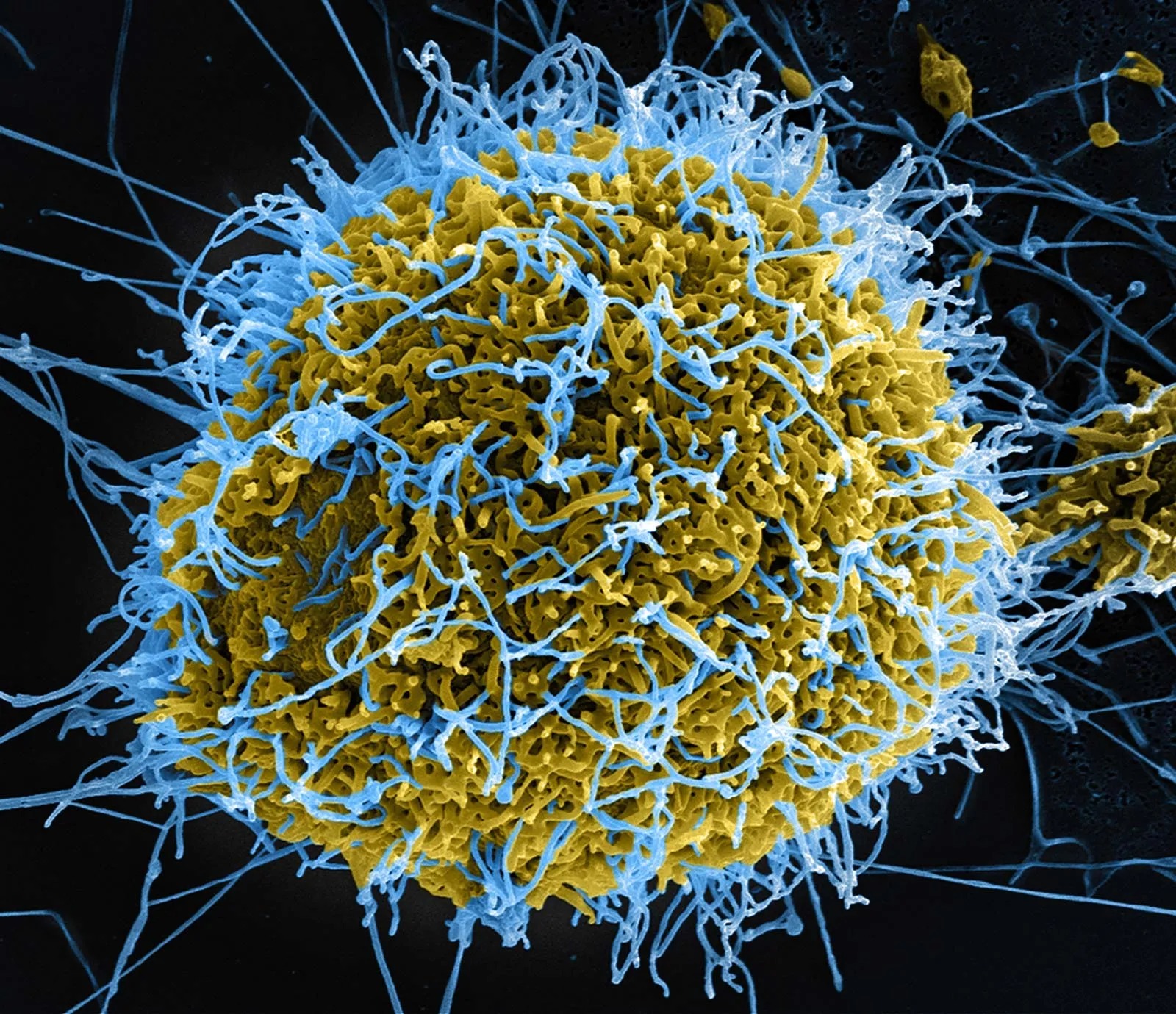

The World Health Organisation (WHO) has declared that the outbreak of Ebola caused by the Bundibugyo virus in the Democratic Republic of the Congo (DRC) and Uganda is a Public Health Emergency of International Concern (PHEIC).
However, it does not meet the definition of a pandemic emergency under the International Health Regulations (2005).
As of 16 May 2026, WHO reports eight laboratory‑confirmed cases, 246 suspected cases and 80 suspected deaths in Ituri Province of the DRC, affecting at least three health zones: Bunia, Rwampara and Mongbwalu.
In Uganda, two confirmed cases — including one death — were detected in Kampala within 24 hours of each other on 15 and 16 May. Both individuals had travelled from the DRC, and both were admitted to intensive care.
A further suspected case in Kinshasa tested negative on confirmatory testing and is not considered a confirmed infection.
WHO has also highlighted unusual clusters of community deaths in Ituri with symptoms consistent with Bundibugyo virus disease (BVD). Suspected cases have been reported across Ituri and North Kivu, while at least four healthcare workers have died in circumstances suggestive of viral haemorrhagic fever.
The organisation warns that the true scale of infection and geographic spread remains uncertain, with limited clarity on epidemiological links between known and suspected cases. Nonetheless, the high positivity rate in initial samples, the confirmation of cases in both Kampala and Kinshasa, and the rising number of suspected cases and deaths in Ituri suggest a potentially much larger outbreak than currently detected.
WHO said that local and regional risks are compounded by insecurity, humanitarian pressures, high population mobility, and reliance on informal healthcare networks.
Unlike Ebola‑Zaire strains, there are no approved therapeutics or vaccines for the Bundibugyo virus, making this event particularly concerning.
International spread has already been documented, with two confirmed cases in Uganda. Neighbouring countries that share borders with the DRC are considered at high risk due to trade, travel and population movement.
WHO stressed that the situation requires urgent international coordination to assess the full extent of the outbreak, strengthen surveillance, scale up prevention and response measures, and ensure effective control operations.
 Pindula WhatsApp Channel
 Facebook Page


Leave a Reply