


Zimbabwe has started screening travellers for Ebola at its ports of entry and activated its Public Health Emergency Operations Centre at Parirenyatwa Group of Hospitals, a government official has said.
The government has also asked the Africa Centres for Disease Control and Prevention for laboratory reagents to boost the country’s Ebola testing capacity.
The move follows a decision by the Africa CDC to list Zimbabwe among countries at high risk of Ebola spillover, because of regional travel and trade links.
Zambia, which shares a border with Zimbabwe and sits on major transit routes from the DRC, was also added to the risk list. Others include South Sudan, Rwanda, Kenya, Tanzania, Ethiopia, Angola, Burundi, the Central African Republic and Congo.
The current outbreak, linked to the Bundibugyo strain of Ebola, is centred in Ituri Province in the DRC, where hundreds of suspected cases and dozens of deaths have been recorded. Uganda has also confirmed imported cases linked to the outbreak.
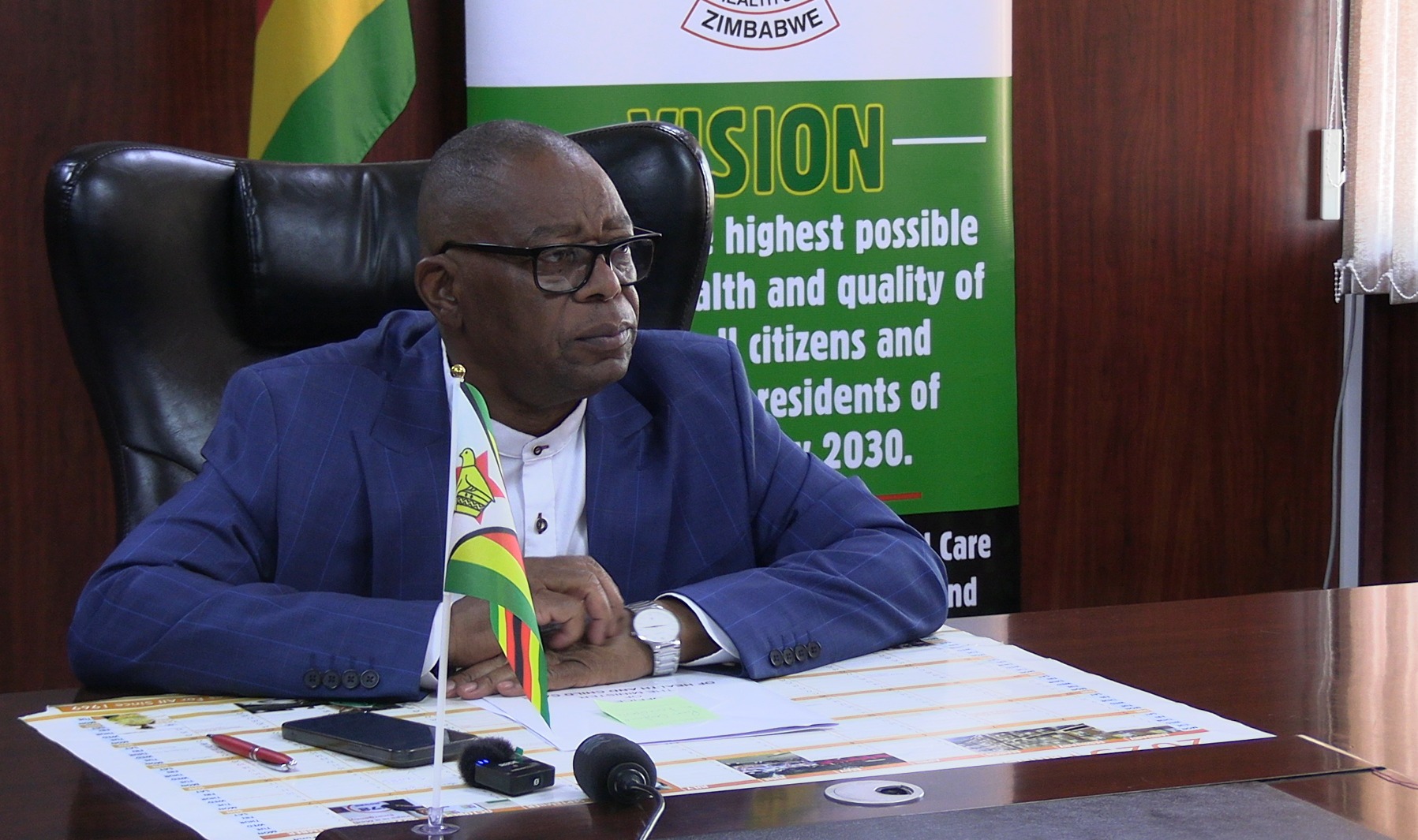
Briefing Cabinet this week, Health and Child Care Minister Douglas Mombeshora said Zimbabwe had not recorded any Ebola cases yet, but authorities were acting early because of the country’s closeness to affected areas and cross-border travel.
He said health staff at ports of entry had already started screening people arriving by road and air, with temperature checks among the first measures.
Mombeshora added that the government had activated the Public Health Emergency Operations Centre at Parirenyatwa to coordinate preparedness, train health workers, and run public awareness campaigns on Ebola symptoms and prevention.
He warned that Ebola often begins with flu-like symptoms such as fever and weakness, before leading to severe problems including vomiting, bleeding and internal haemorrhaging.
Zimbabwe is also strengthening its laboratory systems in case Ebola reaches the country. Mombeshora said South Africa would act as a regional reference lab while the Africa CDC helps with transporting specimens.
“We have applied to Africa CDC for reagents to test for the Ebola virus, and they have agreed to support us so that we are fully prepared for any eventuality,” he said.
He added that authorities would work with traditional leaders and communities to intensify awareness campaigns and detect cases sooner.
More: Health Times


 Pindula WhatsApp Channel
 Facebook Page


Leave a Reply