

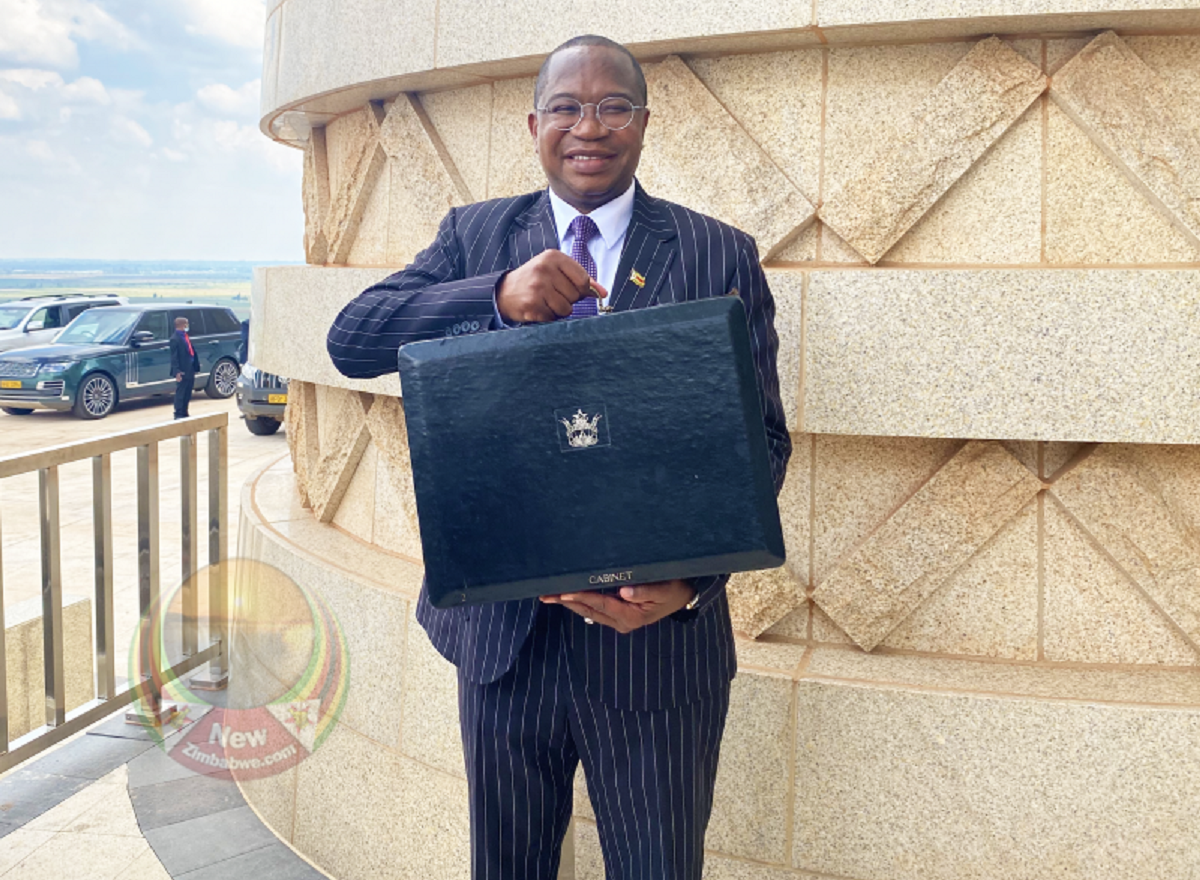

Finance Minister Mthuli Ncube has said the government spent 35% of the approved 2025 national budget during the first half of the year, from January to June.
Presenting the 2025 Mid-Term Budget Review Statement on Thursday, under the theme “Building Resilience for Sustained Economic Transformation”, Ncube said no additional funding would be allocated, as the remaining 65% of the budget is deemed sufficient for the rest of the year. He said:
In the first half of 2025, both inflation and the exchange rate remained more stable than expected. As a result, budget performance in local currency terms fell below target, although foreign currency performance exceeded expectations.
Between January and June, revenue collections reached ZiG101.2 billion (US$3.7 billion), while expenditures amounted to ZiG98 billion (US$3.7 billion).
Only 35% of the approved budget has been spent midway through the year. The unspent 65% is sufficient to sustain government operations for the rest of 2025.
Transport and Infrastructure Development emerged as the biggest spender so far this year, having already exceeded its full-year budget by 16% after recording 116% expenditure. This overspending is largely attributed to ongoing road construction projects, including the Trabablas Interchange.
In contrast, the Ministry of Health and Child Care has spent only 25% of its allocation, which may reflect delays in disbursements from the Treasury.
The Ministry of Lands, Agriculture, Fisheries, Water and Rural Development utilised 44% of its budget, while the Office of the President and Cabinet recorded 81% expenditure.
All other ministries, departments and agencies spent less than 40% of their allocated budgets, with the Audit Office recording the lowest drawdown at just 10%.
Speaking to the media shortly after the presentation of the 2025 Mid-Term Budget Review, Ncube defended the overall 35% expenditure, attributing it to slower drawdowns by ministries during the first quarter of the year. He said:
Ministries often take time to put their papers in order and we often experience limited revenue inflows during the first parts of the year which partly explains the expenditure patterns. However, we are currently working on improving ways in which expenditures can improve.
 Pindula WhatsApp Channel
 Facebook Page


Leave a Reply