

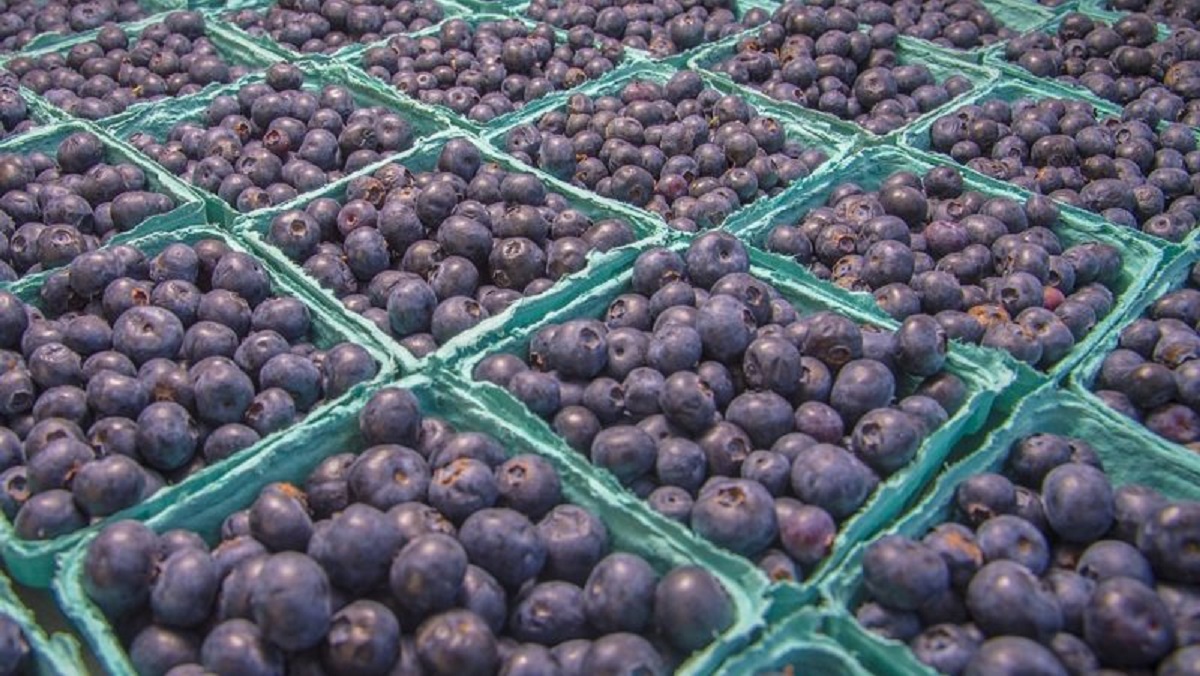

Wiserow Enterprises exported 597 tonnes of premium-quality blueberries to Europe and the Middle East last year, generating about US$2 million in revenue.
General Manager Bruce James Meikle said the company expects to nearly double production to 900 tonnes this year, with the focus again on the European market.
He said exports to the Middle East have been lower this year due to the conflict in the region.
Meikle said Zimbabwe has a competitive advantage because its harvest runs from June to the end of September, a period when global production is low.
“That gives us an ideal market, especially in Europe. And now we are looking into the China market as well, in that same window,” he said.
“Zimbabwean berries have got a very good name in terms of quality and taste. In the market, we are getting a very good reputation for high-quality blueberries, which is also giving us a good advantage.”
On expansion, Meikle said the company plans to increase its hectarage from 72 hectares to 125 hectares, which at full production will yield up to 2,500 tonnes of blueberries a year.
This year, the company is targeting US$5 million in export revenue.
Meikle said only 5% of production is supplied to the local market.
“We are supplying to the local market. Five per cent of our production will go into the local market. Over that, we flood the local market; we’ve got too many blueberries. So that’s why the majority of our blueberries go into the export market, where we are getting a premium price,” he said.
He advised prospective blueberry farmers to pay close attention to the soil.
“Blueberries like very sandy soils, and they don’t like clay. So if you’ve got heavy clays, don’t look at planting into the soil; you’ll have to go into pots. They like these tobacco sands. The sandier the better for blueberries,” he said.
Meikle added that blueberries are rich in antioxidants and vitamins.


 Pindula WhatsApp Channel
 Facebook Page


Leave a Reply