




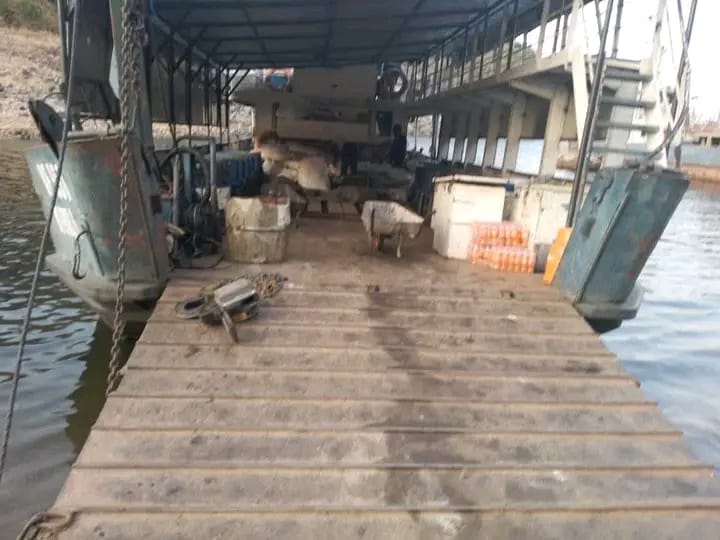


The capsizing of the RIDA passenger ferry on Tuesday has plunged families into mourning and severed the only transport link between urban Kariba and the rural communities that depended on it.
ZBC News followed the ferry’s usual route, beginning at the DDF Harbour, where the vessel departed on the day disaster struck.
For years, the journey from urban Kariba to Chalala carried more than passengers. It linked the two halves of Kariba — urban and rural — carrying people, fish, ice, money and the ordinary necessities of life.
The ferry was the only mode of transport connecting the two sides of Kariba, becoming an indispensable thread in the economic and social fabric of the rural communities.
For fishermen, it was a route to the market. For traders, it was a means of moving their catch. For families, it was a way to reach urban Kariba for basic household supplies.
Its loss has left communities wondering how they will move, trade and survive.
RIDA Director-General Christopher Shumba said the vessel had become central to economic activity in rural Kariba.
“This boat was the only link between urban and rural Kariba, and it ensured that the people who do business this side are helped, so a lot of business has been affected by this,” he said.
From the harbour, the route led to King’s Camp Cold Chain Facility, where the ferry would deliver ice to traders who had worked through the night preparing their fish for the urban Kariba market. Without the ferry, the rhythm of that trade has been broken.
King’s Camp Cold Chain Facility Chairman Reggie Tauro said some traders had already lost their catch.
“As we speak now, a lot of batches of fish have gone bad because the boat would bring ice on its way and then come back and take our fish and then bring us back our money,” he said.
For Justina Pausigere, the tragedy has taken away both her stock and the means to replace it. She lost approximately 300 kilogrammes of fish when the ferry capsized.
“This was our life. I’m a buyer, but currently there’s nothing for me to buy. How can I when our colleagues are still in the water, we want to fish from, and there is no boat to carry my products?” she said.
From King’s Camp, the route leads to Musamba Fishing Camp, the ferry’s final stop before Chalala — where the human cost is starkest.
Gogo Chirindapanze lost not only her business, but her brother and three children who were travelling to visit her.
“I am really heartbroken; I cannot say much. It is painful to lose three young children and my brother, my own blood, who were on their way to see me,” she said.
The loss of the community’s only link to urban Kariba has left some residents unable even to reach the funerals of their own relatives.





Leave a Reply Cancel reply