



El Niño conditions have developed in the tropical Pacific and are expected to strengthen rapidly in the coming months, increasing the risk of heatwaves, droughts, heavy rainfall and other extreme weather events in many parts of the world, according to the World Meteorological Organisation (WMO).
The WMO’s monthly Global Seasonal Climate Update points to a rapid development into a strong El Niño event during July to September 2026.
El Niño is expected to continue strengthening through the Northern Hemisphere autumn, with its influence felt across many regions. Meanwhile, the equatorial Atlantic is expected to remain generally warmer than average.
“El Niño conditions are already underway and are forecast to strengthen rapidly into a strong event – as accurately anticipated by WMO forecasts,” said WMO Secretary-General Celeste Saulo.
“This will intensify the chances of drought and heavy rainfall and the risk of heatwaves on land and marine heatwaves in many regions of the world.”
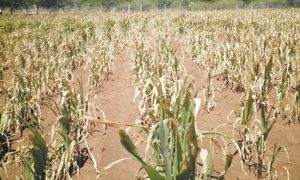
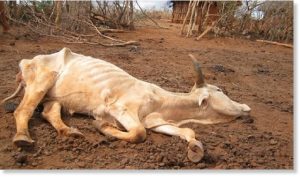
El Niño has historically triggered severe droughts and prolonged mid-season dry spells in Zimbabwe, leading to sharp declines in maize production and livestock losses.
Because more than 70% of the population depends on rain-fed smallholder farming, these events often result in widespread crop failure and threaten food and water security across the country.
Major episodes in 1982 to 83, 1991 to 92, 2015 to 16 and 2023 to 24 devastated the agricultural sector and put severe strain on the national economy.
During strong events, crop losses often exceed 50%, leaving millions of people in both rural and urban areas dependent on food aid.
Reduced rainfall also dries up rivers, boreholes and dams, which severely limits hydroelectric power generation, including at Lake Kariba.
Water shortages and poor sanitation have historically led to spikes in waterborne diseases such as cholera, as well as rising levels of malnutrition among vulnerable groups, including young children and pregnant women.
 Pindula WhatsApp Channel
 Facebook Page


Leave a Reply