

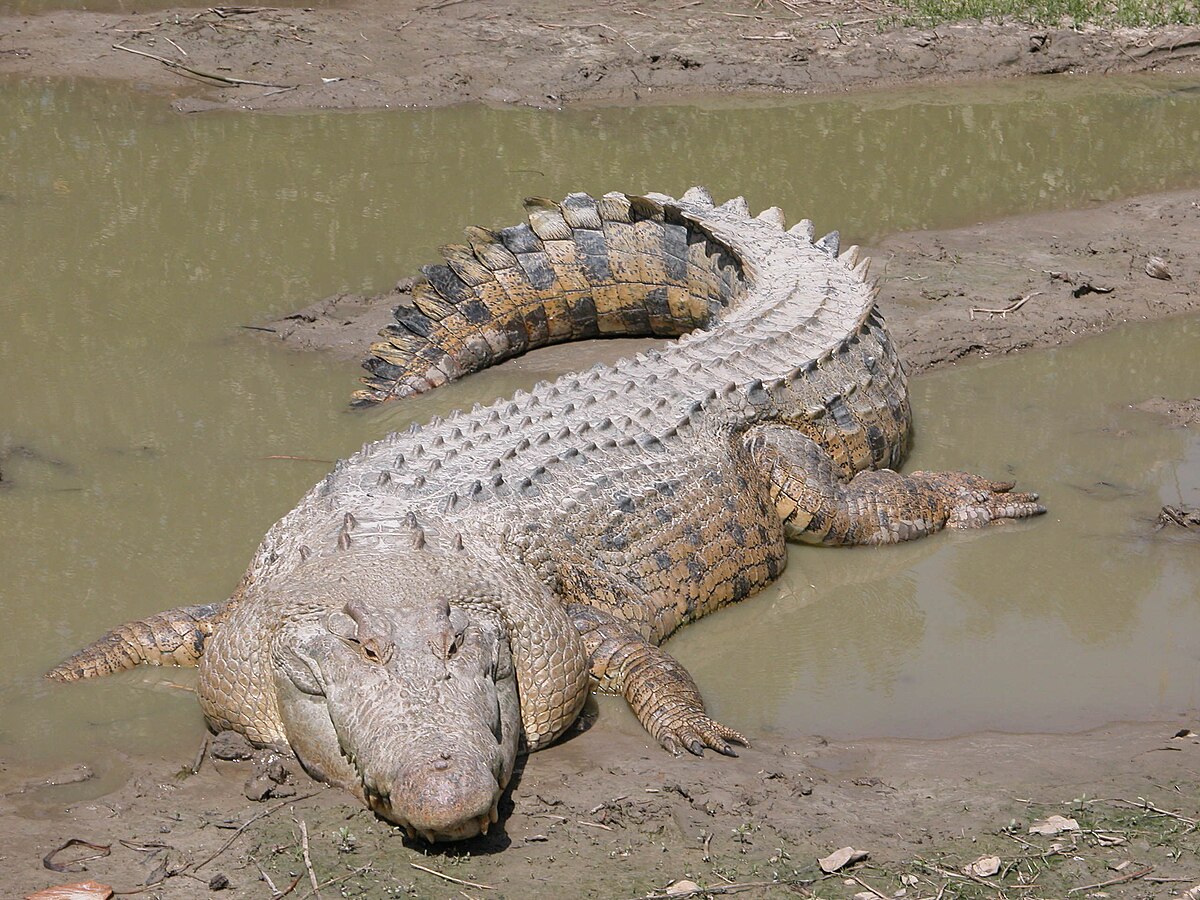

Zimbabwe has recorded 12,374 human-wildlife conflict incidents in the past decade, resulting in 486 deaths, 554 injuries and 4,025 livestock losses. Crocodiles and elephants remain the leading causes of fatalities.
The figures were shared by Zimbabwe Parks and Wildlife Management Authority (ZimParks) director of operations, Arthur Musakwa, in a presentation delivered on his behalf by head of management services, Givemore Mukuya.
He was speaking at the National Human-Wildlife Co-existence Strategy Development Workshop held in Harare on Tuesday.
Musakwa said recurring droughts, population growth and habitat encroachment were driving the rise in conflict by bringing communities and wildlife into closer contact.
He added that Zimbabwe’s protected areas allow free movement of wildlife, with conflicts escalating in Kariba, Hwange, Chiredzi, Mbire, Hurungwe, Nkayi and Binga.
“Over 12 000 human-wildlife conflict incidents were recorded between 2016 and 2025. A national coordinated framework is urgently overdue,” he said.
Over the period, 486 people lost their lives and 554 were injured, while wildlife attacks claimed 4,025 livestock.
“Crocodile and elephant attacks account for 83 per cent of all human-wildlife conflict fatalities recorded over the past decade,” said Musakwa.
Crocodiles were responsible for 173 deaths, with elephants accounting for 114, Musakwa said. Crocodiles also caused the most injuries, leaving 155 people injured, followed by buffaloes with 73 and elephants with 55.
He identified Binga, Hwange, Chiredzi, Hurungwe, Mbire, Muzarabani, Nyaminyami, Chipinge, Gokwe North, Gokwe South, Tsholotsho, Bulilima and Kusile as the country’s main human-wildlife conflict hotspots.
Musakwa attributed the rise in conflicts to habitat encroachment, climate change, population growth and inadequate barriers between communities and wildlife.
He said recurrent droughts linked to climate change, together with expanding settlements and growing competition for land and water, had heightened interactions between people and wildlife.
This has led to loss of life, destruction of crops and livestock, and mounting pressure on conservation efforts.
While ZimParks has set up rapid response teams, community liaison desks, problem animal control protocols, wildlife translocation programmes, beehive fences, chilli barriers and CAMPFIRE initiatives, he said significant challenges remained.
More: The Herald


 Pindula WhatsApp Channel
 Facebook Page


Leave a Reply