



The Zimbabwean government says it is in the process of returning 67 farms that were seized during the country’s controversial land reform programme.
The move marks a major shift in policy as the government tries to rebuild relations with Western nations and secure international debt relief.
The farms belong to nationals from Denmark, Switzerland, Germany and the Netherlands.
Those countries had bilateral investment protection agreements with Zimbabwe before the land seizures began under former President Robert Mugabe.
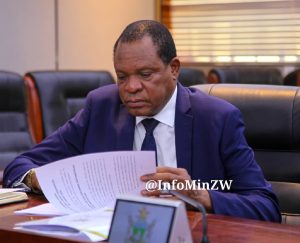
Speaking in the National Assembly on Wednesday, Agriculture Minister Anxious Masuka said the government had already started handing the farms back to their original owners because they are protected under international investment treaties.
“We are in the process of returning those to them,” Masuka told Members of Parliament.
Zimbabwe launched its fast-track land reform programme in 2000, seizing thousands of white-owned commercial farms. The government said the move would correct colonial-era land inequalities and resettle landless Black Zimbabweans.
But the programme had devastating economic consequences. Commercial agriculture, once the backbone of the economy, collapsed.
Food production fell sharply, and the country slid into an economic crisis that led to hyperinflation and the collapse of the currency in 2008. Zimbabwe, once the breadbasket of Southern Africa, struggled to feed its own people.
Since taking power after Robert Mugabe was ousted in a 2017 military-backed coup, President Emmerson Mnangagwa has tried to re-engage Western countries and international financial institutions. Many cut ties with Zimbabwe over the land seizures and human rights concerns.
Returning the farms is widely seen as part of Harare’s push to show lenders and donors it is serious about economic and governance reforms.
Zimbabwe is weighed down by heavy foreign debt. By September 2025, external debt had reached $13.6 billion, including $7.7 billion in unpaid arrears. Because of these defaults, Zimbabwe has been locked out of major international financing for more than two decades.
Lenders such as the International Monetary Fund have made it clear that Zimbabwe must resolve disputes linked to land reform before any meaningful debt restructuring or financial help can happen.
The IMF recently approved a 10-month Staff Monitored Programme to track reforms and rebuild confidence in the economy. The programme offers no direct funding.
Mnangagwa had earlier tried to deal with compensation, signing a $3.5 billion deal in 2020 with about 4,000 white commercial farmers whose land was taken. But the cash-strapped government has struggled to pay in full.
The four European countries whose citizens are now set to get farms back are key partners in Zimbabwe’s debt relief talks and remain major aid donors.
The move will likely be read as both a legal duty under international investment agreements and a strategic effort to restore investor confidence, attract foreign capital and end years of economic isolation.

 Pindula WhatsApp Channel
 Facebook Page


Leave a Reply