

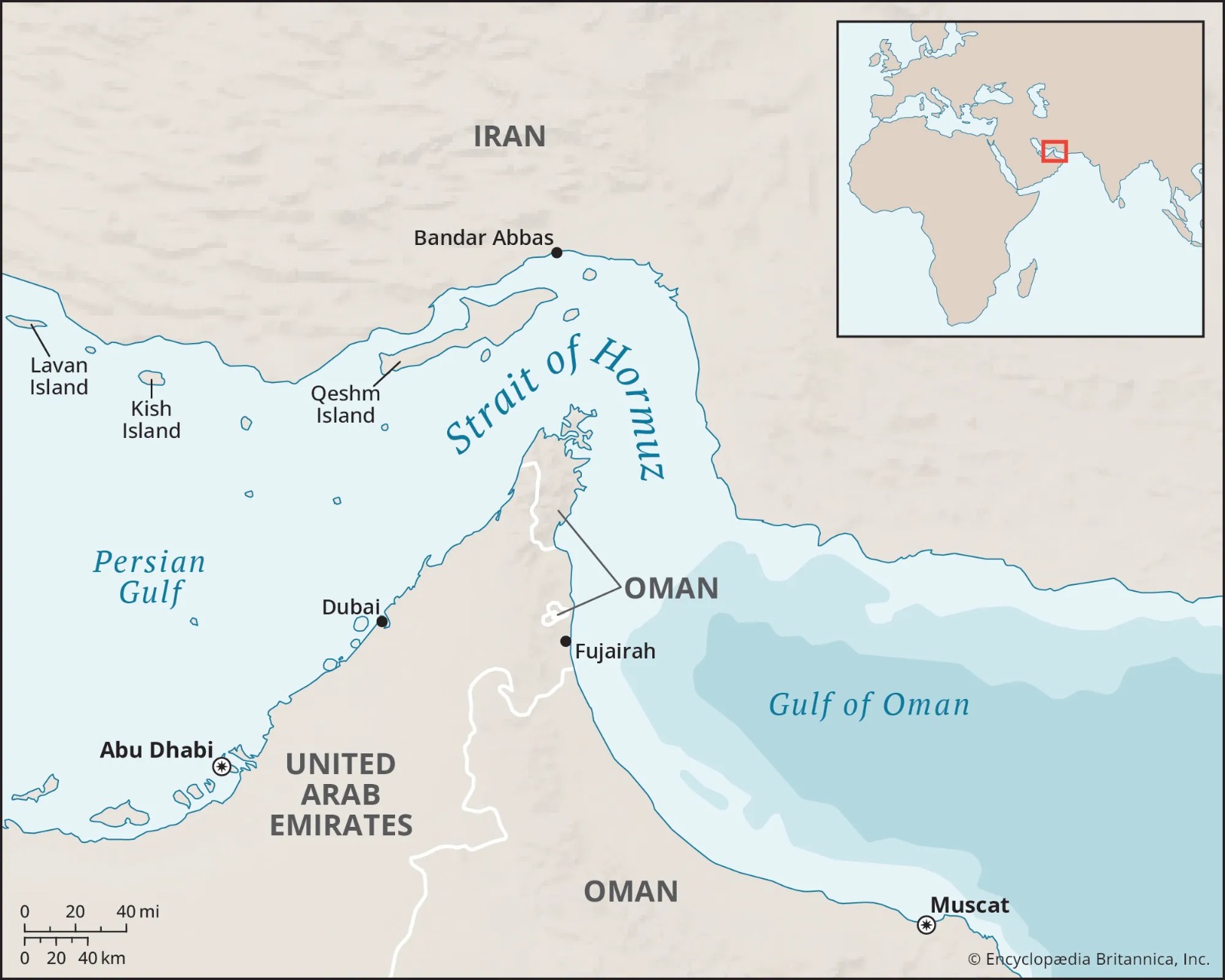

Iran and the United States have reached an agreement on a provisional two-week ceasefire, intended to restore shipping traffic through the strategically vital Strait of Hormuz.
The breakthrough was announced early on Wednesday by Pakistan’s Prime Minister, Shehbaz Sharif, who has been mediating the high-stakes negotiations.
According to Sharif, the truce is effective immediately and is expected to extend to the conflict in Lebanon.
The agreement follows a period of intense military strikes, which started over a month ago with coordinated US and Israeli strikes on Iranian targets.
Tensions reached a breaking point on Tuesday when US President Donald Trump issued a harrowing ultimatum, warning that “a whole civilisation will die tonight” unless the Strait was reopened.
Following the announcement, Trump confirmed via Truth Social that he had agreed to “suspend the bombing and attack of Iran” for the duration of the fortnight.
He asserted that the provisional end to strikes was possible because the US had “already met and exceeded all military objectives.”
The President’s earlier rhetoric, including claims that the US could “take out” Iran in a single night, had sparked a wave of international alarm, drawing rare and stern condemnation from both the United Nations Secretary-General and the Pope.
In exchange for the suspension of hostilities, Tehran has agreed to allow vessels to transit the Strait of Hormuz under the coordination of the Iranian military.
However, the Iranian government has coupled this move with a comprehensive 10-point plan for a permanent settlement.
Iran’s key demands include the total cessation of military operations in Iran, Iraq, Lebanon, and Yemen, and a “full commitment” from Washington to lift all economic sanctions.
Iran has also demanded the immediate release of all frozen Iranian assets and funds and the payment of full compensation to cover Iran’s reconstruction costs.
The proposal includes a renewed pledge that “Iran fully commits to not seeking possession of any nuclear weapons.”
Tehran’s Supreme National Security Council described the deal as a means to “consolidate Iran’s victory in the field” through political diplomacy.
Despite Prime Minister Sharif’s assertion that the ceasefire covers Lebanon, the situation on the ground remains volatile.
Israel has consistently maintained that its forces will not withdraw until the threat posed by Hezbollah is eliminated.
As of Wednesday morning, the Israeli government has given no formal indication that it intends to stop its operations in Lebanon or the wider region, leaving the regional scope of the ceasefire in question.
More: BBC News
 Pindula WhatsApp Channel
 Facebook Page


Leave a Reply