




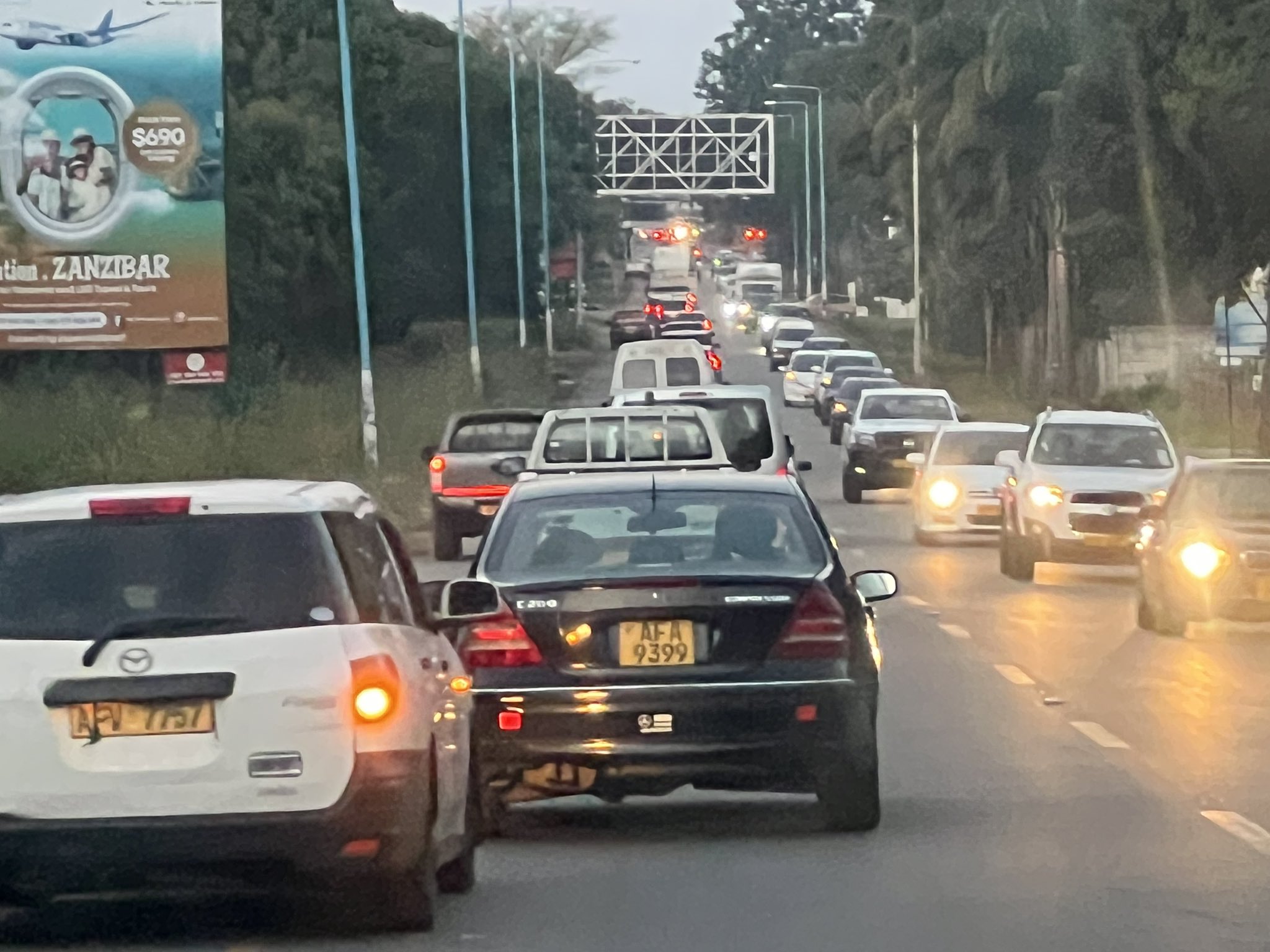


inDrive drivers and their customers are at odds over fares after fuel prices were hiked twice this month, pushing up the cost of running vehicles.
When inDrive first launched in Zimbabwe, drivers were accepting rides for as little as US$2 for short trips, such as a 3–4km journey around Harare’s central business district.
The app calculates fares based on distance, but both drivers and customers can adjust the price if they wish.
Speaking to NewsDay, driver Peter Mahlangu said fuel has become so expensive that he can no longer simply accept every ride request. He said:
“I have to adjust the price and add at least US$2 for short distances and US$3 for longer distances.”
Tinotenda Feremba, who drives a non-hybrid Nissan Note, said even those boasting about their Honda Fit hybrids are feeling the pinch. He said:
“Imagine we are now buying five litres of petrol for more than US$10.
“I am 28, and I didn’t do well in school, so at the beginning of last year, I worked hard to buy this car specifically for inDrive.
“Since then, I have been earning at least US$40 per day, excluding fuel costs.
“The game has changed since the fuel price hike. I am no longer accepting rides without adjusting ride fares.”
Tendai Kamurai, a nurse at a private hospital on Masotsha Ndlovu Way in Waterfalls, said that before fuel prices went up, she only needed US$2 to US$3 for a single ride from work to her home along 70 Street in Waterfalls.
She added that over the past few days, it has been increasingly difficult to get a ride at the usual rates.
The chairperson of Parliament’s Portfolio Committee on ICT, Postal and Courier Services, Vusumuzi Moyo, confirmed he has also been struggling to get inDrive rides at standard fares. He said:
“I used to pay from US$6 to US$7 to get a ride to get into town, but now drivers are not accepting those standard fares,” he said
“The geopolitics and events in the Middle East are affecting our pace in technology adoption. What is most painful is that our fuel prices are the highest in the region.
“When tourists arrive, they should not struggle to move around because of fuel prices. Tourism significantly boosts our economy.
“I think we need to develop and love our own technology, which we can adjust during such situations.”
The recent surge in fuel prices in Zimbabwe is largely due to a significant global oil price shock, triggered by escalating geopolitical tensions in the Middle East.
Petrol prices have jumped to US$2.17 per litre, up from US$1.71 earlier in the month, while diesel has risen to US$2.05 per litre from US$1.77.
More: NewsDay






Leave a Reply Cancel reply