





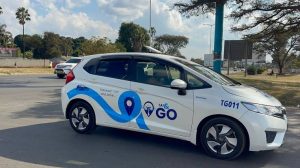
The Harare City Council has intensified its crackdown on e-hailing services such as InDrive and Bolt.
Several InDrive drivers say municipal police are posing as passengers to lure them into accepting trips, before arresting and fining them for allegedly operating outside the city’s regulatory framework.
The drivers said they had received what appeared to be ordinary ride requests, only to discover that the passengers were council officials carrying out enforcement operations.
One driver, who spoke on condition of anonymity, said he was fined US$172 for allegedly operating illegally.
The covert enforcement campaign has angered InDrive drivers, who accuse the local authority of using deceptive tactics instead of engaging the platforms over licensing, taxation and regulatory compliance.
“Some city council official requested a ride on the InDrive application, and I accepted without knowing he was a council official,” the driver said.
“When I arrived, he said, ‘You are under arrest for operating on InDrive using yellow number plates.’ If there are tax and VAT issues, shouldn’t the authorities also hold the owners of the application accountable instead of only targeting drivers?”
Harare chief town planner and acting director of Urban Planning Services, Samuel Nyabeze, said the rapid expansion of InDrive operations required regulatory intervention.
“We are busy on the new master plan, and we have realised the issue of InDrives. As a council, we have not been benefiting. There are now too many in our city, and they need to be regularised,” Nyabeze said.
“I cannot speak on behalf of the government, but as Harare City Council, we have not been benefiting from InDrives.”
Observers have urged inDrive drivers to regularise their operations. They said drivers should secure red public service vehicle (PSV) number plates instead of the standard private yellow plates, obtain a valid operator’s licence from the relevant transport authorities under the Road Motor Transportation framework, keep a current Certificate of Fitness for the vehicle, maintain mandatory public liability and passenger insurance, and pay the local council operating fees and levies required for commercial transport providers.






Leave a Reply Cancel reply