


The Cabinet has approved plans to reduce selected, time‑bound fuel taxes in a bid to ease inflationary pressures and shield consumers from rising fuel costs linked to supply disruptions caused by the conflict in the Middle East.
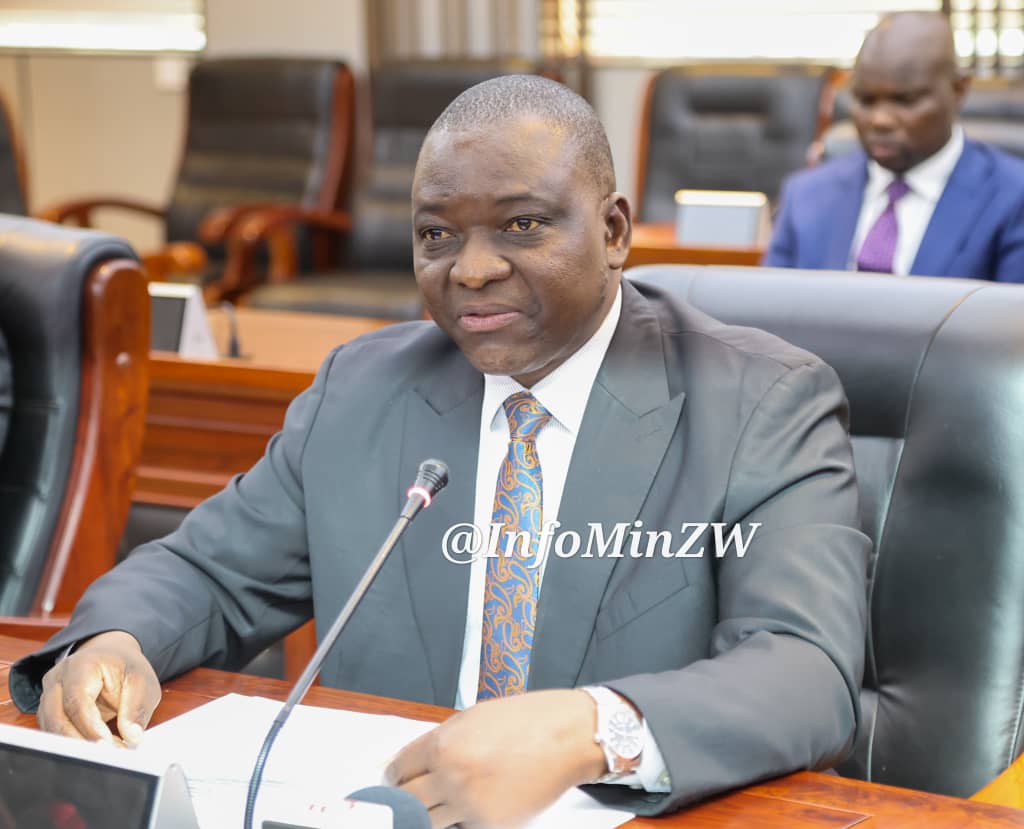
Speaking at a post-Cabinet media briefing in Harare on Tuesday, 24 March, Information, Publicity and Broadcasting Services Minister Zhemu Soda said the government is also considering increasing the ethanol content in petrol from E5 to E20. He said:
“Cabinet considered and approved the report on the impact of the Middle East crisis on pricing of basic commodities as presented by the Minister of Industry and Commerce.
“While price hikes have been witnessed in the transport sector, in particular by passenger vehicle operators, Cabinet considered and approved a review of selected and time-bound fuel taxes in order to contain inflationary pressures and safeguard consumer welfare.”
Soda said the Cabinet is also looking at increasing ethanol blending in petrol from the current E5 to E20, to bring down pump prices locally.
He added that the government is refining the options and that any fuel price adjustments will be announced in due course.
Local ethanol producers have suggested that moving from E5 to E20 could save motorists roughly 18 cents per litre.
However, many drivers remain opposed to higher ethanol blends, claiming it causes engine “knocking” and wear down rubber seals and fuel lines, as ethanol is more corrosive than standard petrol.
Motorists also argue that ethanol has a lower energy density, meaning they need to refuel more often to cover the same distance.
Unlike other countries where blends such as E10 or E85 are offered alongside pure petrol, Zimbabwean service stations only provide the mandatory ethanol mix. Many feel this leaves them no choice but to put what they consider “substandard” fuel into expensive vehicles.
There are also concerns about cost: if motorists are paying US$2.17 per litre for an ethanol blend, they argue it should be much cheaper than pure (unleaded) petrol sold in neighbouring countries such as South Africa and Botswana.


 Pindula WhatsApp Channel
 Facebook Page


Leave a Reply