


Human Rights Watch (HRW) has accused the Zimbabwean government of stepping up its crackdown on critics of ZANU-PF’s push to amend the constitution and extend President Emmerson Mnangagwa’s term in office.
The proposed amendment has faced strong opposition from those who see it as a threat to the country’s democracy.
Under the current constitution, President Mnangagwa is due to step down in 2028 after completing two five-year terms.
But following a controversial ZANU-PF resolution, the government gazetted Constitutional Amendment No 3 on 16 February 2026.
The amendment would extend the terms of both the president and parliament from five to seven years, effectively pushing the next elections from 2028 to 2030. Idriss Ali Nassah, senior Africa researcher at Human Rights Watch, said:
“Zimbabwe’s leaders should demonstrate their commitment to the rule of law by respecting the country’s constitution and international human rights obligations for freedom of expression and assembly.
“Civil society, legal experts, and ordinary people should be allowed to peacefully express their views without fear.”
HRW has documented several recent incidents where police and unidentified armed men reportedly threatened, harassed, and beat people opposing the proposed constitutional amendment. One such incident took place in Harare on 1 March 2026.
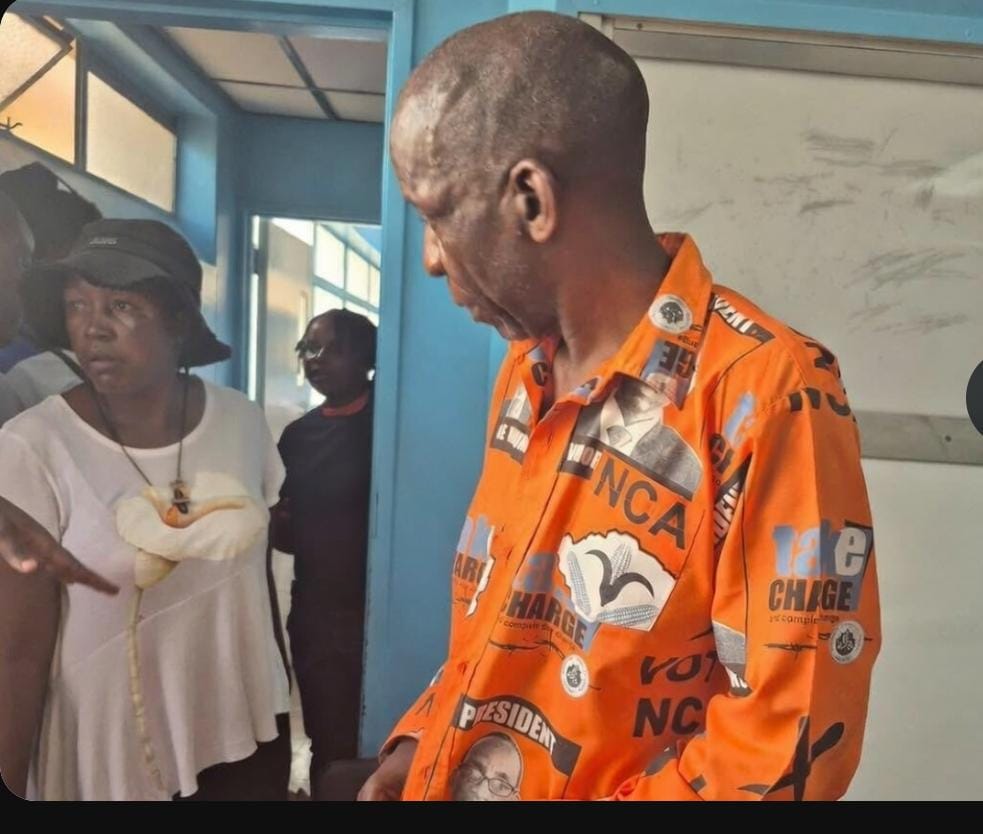
On that day, around 5 to 10 armed men wearing balaclavas allegedly forced their way into the offices of the National Constitutional Assembly (NCA), an opposition political group.
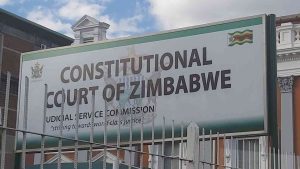
According to NCA leader Lovemore Madhuku, some of the men assaulted members who had gathered for a meeting, injuring him in the process. Madhuku has since filed a Constitutional Court case seeking to stop the amendment process.
Madhuku said that the men accused him of “wanting to create problems in the country” and demanded to know why he opposed the bill.
He said they identified themselves as police officers and claimed his party was holding an “unsanctioned meeting.”
He added that the attackers used long police-style batons to strike him on his back, head, and face. Uniformed officers reportedly remained outside in marked vehicles.
After the assault, the men left in two unmarked vehicles, followed by two Zimbabwe Republic Police (ZRP) vehicles.
The ZRP posted on X that its officers “were not involved in the alleged incident” and said they were “keen to know what actually transpired.”
Nassah stressed that Zimbabwe must respect rights to freedom of expression and assembly, as guaranteed under the International Covenant on Civil and Political Rights and the African Charter on Human and Peoples’ Rights, both of which the country has ratified. He said:
“Members of the civil society and the political opposition should be allowed to freely operate and mobilize against the government’s proposals.
“Constitutional amendments need to be debated fairly and openly, without fear of repression.”
 Pindula WhatsApp Channel
 Facebook Page


Leave a Reply