

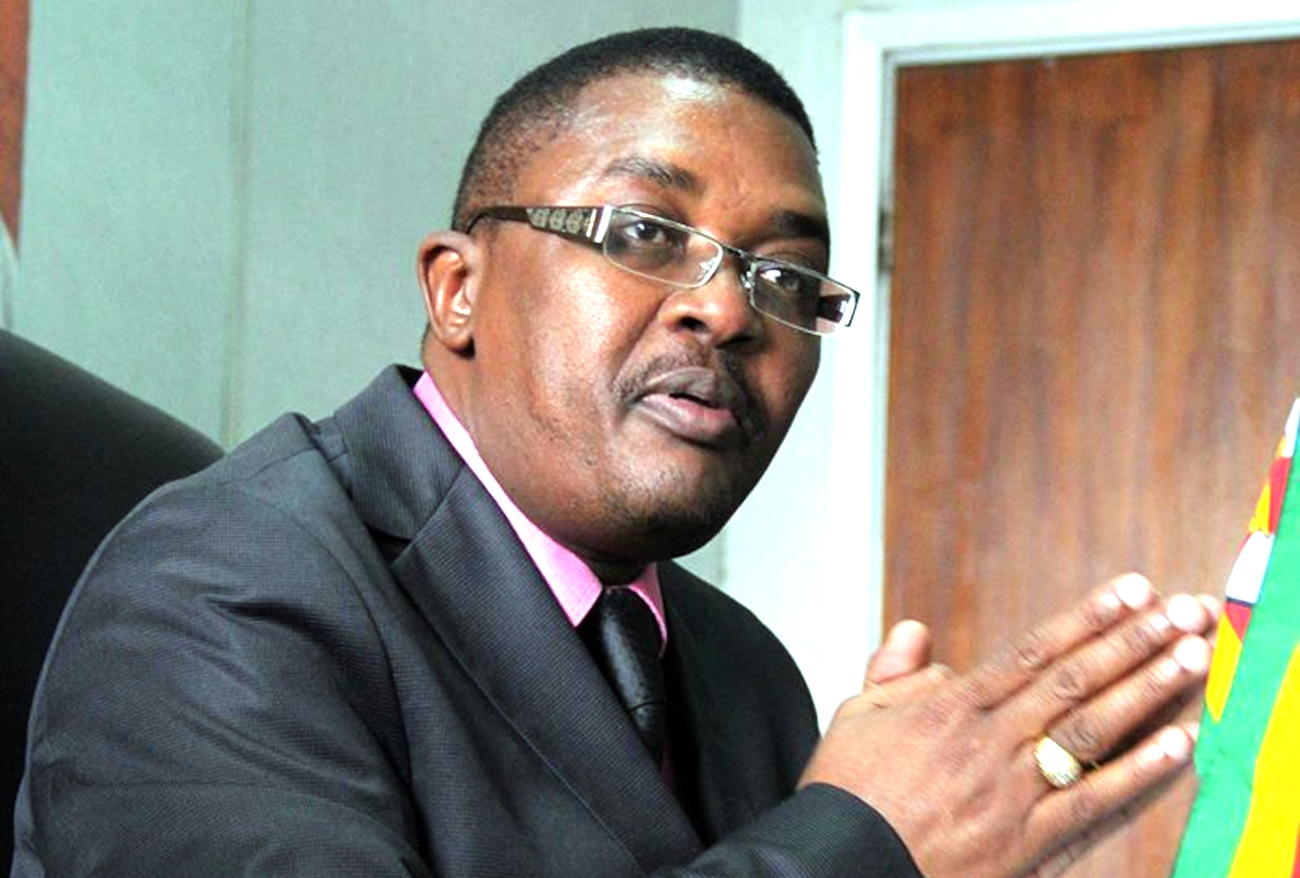

Former Tourism Minister Walter Mzembi told the Harare High Court on Tuesday that the public-viewing screens he is accused of illegally donating to major churches were not personal gifts, but part of a cabinet-approved plan to rebuild a ministry he says was wrecked by the 2008 political violence and the fallout from land reform.
Testifying before Justice Benjamin Chikowero after losing his bid for discharge at the close of the state’s case, Mzembi said he inherited “a very damaged sectoral brand” when he took over the ministry during Zimbabwe’s post-election crisis.
He told the court the ministry had collapsed due to the toxic politics of 2008 and the 2000 land reform programme, with tourist arrivals falling to about 250,000 per year.
He added that the 2008 violence, in which 241 people died, had shattered Zimbabwe’s image, forcing him to rebuild the sector from scratch.
Represented by his lawyers Killian Mandiki and Emmanuel Samundombe, Mzembi repeatedly cited senior political figures, including the late former President, Robert Mugabe, the late former Prime Minister Morgan Tsvangirai, and President Emmerson Mnangagwa, arguing the fan-park screens were distributed with full government authority. He said:
“Mugabe gave me the power to donate the TVs. Even Tsvangirai gave a nod… Mnangagwa handed over the assets at Mbungo (Zion Church of Christ).
“He was assigned by Mugabe. Even Sekeramayi was there when the TVs were commissioned. I can’t imagine unilateral decisions being endorsed by the government.”
Mzembi said the screens came from Zimbabwe’s preparations for the 2010 FIFA World Cup, after Cabinet set up a multi-sector taskforce to establish fan parks and use football — “the biggest political party” — to help heal a divided nation.
He described a sprawling government-wide operation involving the army, Air Zimbabwe, the Ministries of Sports and Transport, and provincial governors. He said:
“Army signals corps were involved storage was done at Manyame Air Base, as well as transport and installation. Air Zimbabwe airlifted the equipment into the country.
“Nelson Chamisa, who was heading ICTs, wanted to create information kiosks with these TVs.”
Mzembi told the court the screens were later repurposed for religious tourism, a deliberate shift after the government realised that massive church gatherings were drawing crowds but generating no revenue.
He said the government benchmarked global religious destinations like Jerusalem, Rome, TB Joshua, and the ZCC, concluding that Zimbabwe could capitalise on its own large churches such as PHD, ZCC, and UFIC.
Mzembi insisted that the Treasury-authorisation argument raised by the State ignored the political context of the Government of National Unity, where “it was impossible to do anything without consulting Mugabe and Tsvangirai.”
More: ZimLive


 Pindula WhatsApp Channel
 Facebook Page


Leave a Reply