


The Reserve Bank of Zimbabwe (RBZ) says it will continue its push towards a mono-currency system, building on the successes of 2025, but stressed that the transition will be gradual rather than immediate.
In its five-year strategic plan, RBZ governor John Mushayavanhu said the move to a single currency will only proceed once key fundamentals are firmly in place.
These fundamentals include sustained single-digit inflation, foreign reserves covering three to six months of imports, a unified and efficient foreign-exchange system, stable exchange rates around the Zimbabwe Gold (ZiG), and stronger domestic demand for ZiG through tax incentives and public-sector use.
Other prerequisites include a sound financial sector with a strong national payments system and tight fiscal-monetary coordination to keep deficits low and sustainable.
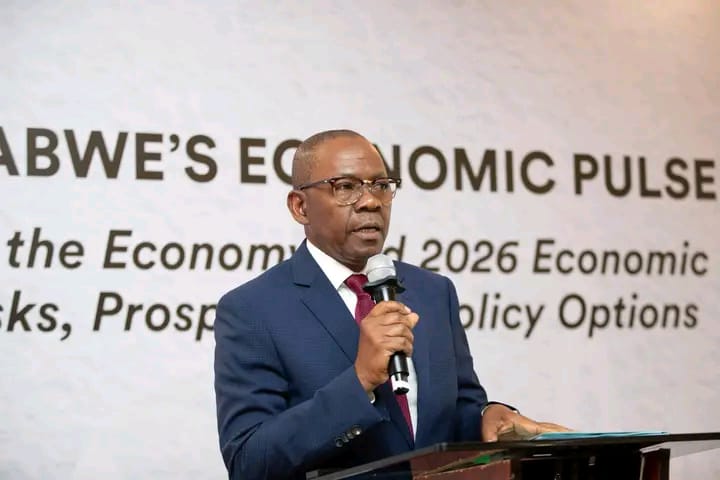
Speaking at the State of the Economy and 2026 Economic Outlook breakfast organised by independent think tank, the Africa Economic Development Strategies (AEDS), in partnership with Business Times, in Harare on Wednesday, 21 January, RBZ deputy governor Innocent Matshe said a domestic currency is essential for national competitiveness.
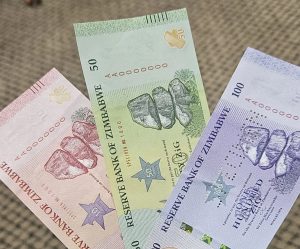
To support the transition, the RBZ plans to release durable, modern and secure banknotes in late Q1 or early Q2 of 2026. Said Matshe:
“Overall, the Reserve Bank will aim to entrench macroeconomic stability in support of the roadmap to mono-currency and attainment of National Development Strategy 2 objectives of realising a prosperous and empowered upper-middle-income society by 2030.
“For our exports to remain competitive, for our economy to be competitive, we need to have our own currency.”
Zimbabwe legalised the continued use of the multi‑currency system, allowing transactions in both the local ZiG currency and foreign currencies such as the US dollar, until December 31, 2030.
More: The Herald

 Pindula WhatsApp Channel
 Facebook Page


Leave a Reply