

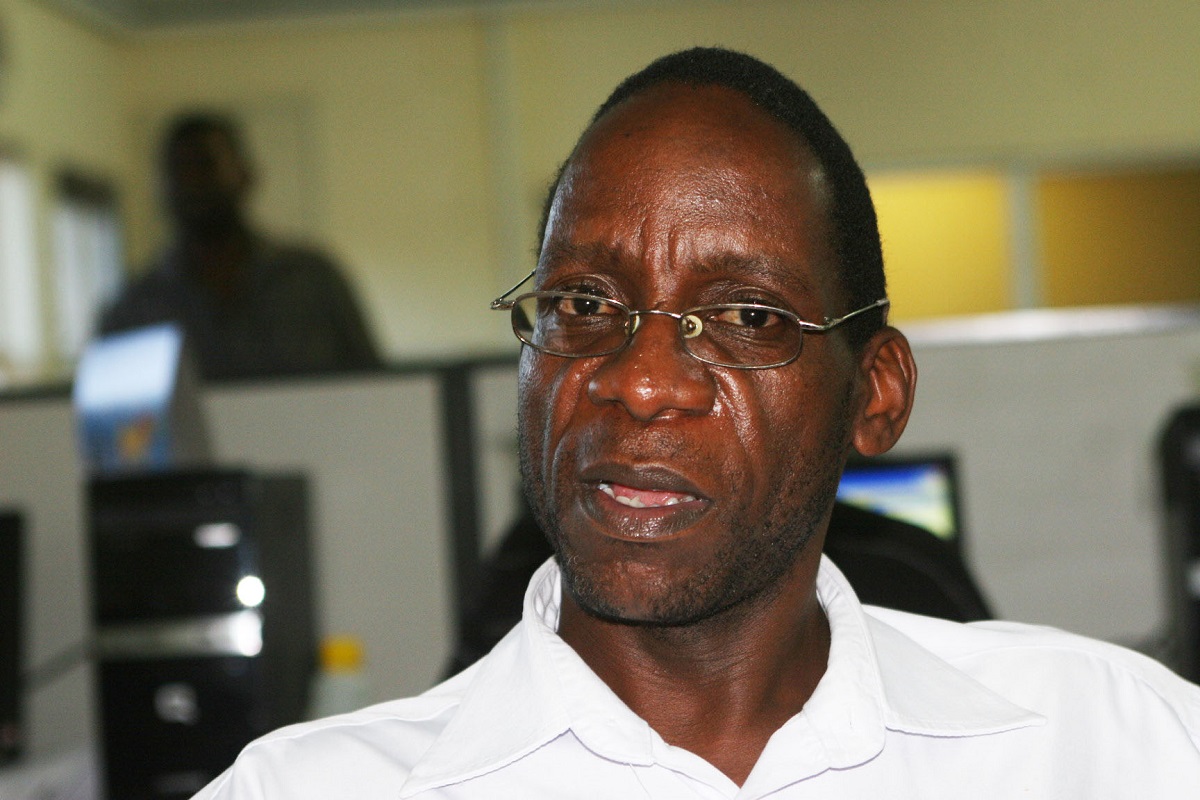

Law professor Lovemore Madhuku has rejected Chief Justice Luke Malaba’s assertion that staff shortages are crippling Zimbabwe’s justice system.
He argues that deep-seated procedural inefficiencies, rather than a lack of judges or magistrates, are the main cause of delays in the courts.
Madhuku acknowledged that the judiciary has made measurable progress in delivering judgments, particularly through electronic platforms, but said the idea that Zimbabwe suffers from an acute shortage of judicial officers is misplaced. Said Madhuku:
“For a population of about 16 million, the number of judges is actually quite significant.
“I do not agree that we have too few judges. What we have not fundamentally changed are the court procedures, which are inherently slow.”
Madhuku made the remarks after Chief Justice Malaba warned on Monday that an “untenable situation” had emerged in Zimbabwe’s judiciary due to shortages of judges, magistrates and support staff.
Malaba said the judiciary’s constitutional mandate was under threat unless staffing levels were “dramatically increased.”
Speaking during the official opening of the 2026 legal year, Malaba described a system carried by just 80 judges and 250 magistrates, a number he said was inadequate given rising litigation.
Deputy Chief Justice Elizabeth Gwaunza echoed the concern, warning that judges were operating under “unbearable pressure” that could affect both the quality of justice and their health.
However, Madhuku maintained that without procedural reform, the debate over staffing misses the real issue.
More: ZimLive


 Pindula WhatsApp Channel
 Facebook Page


Leave a Reply