

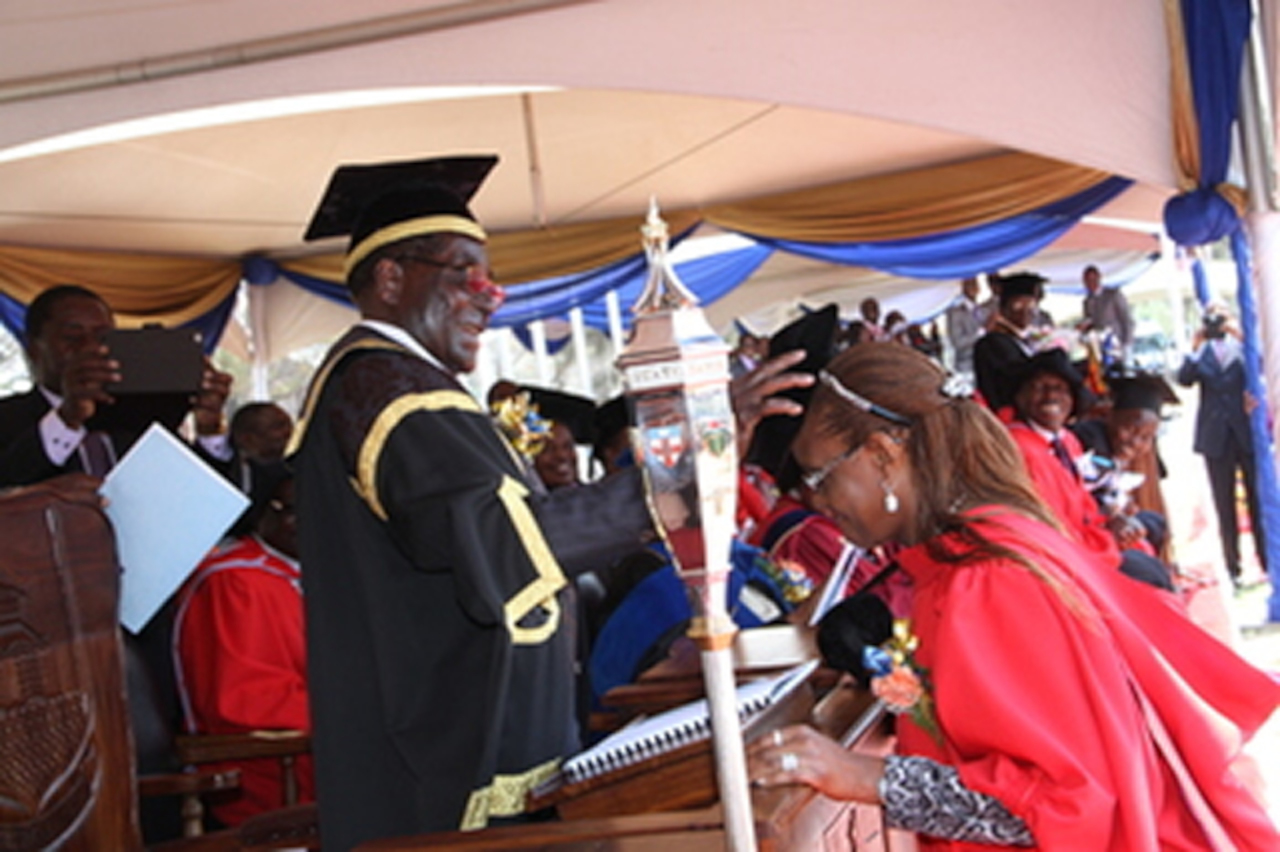

Zimbabwe today faces an uncomfortable but necessary conversation, the credibility of academic qualifications held by many in positions of power. Across Cabinet, parastatals and politically connected elites, degrees and doctorates are publicly displayed as symbols of competence and authority and yet few are ever questioned, verified or scrutinised.
This silence has created fertile ground for the proliferation of fake or dubious qualifications, turning what should be a merit-based system into a theatre of titles.
At weekly presidential briefings and public meetings, ministers proudly parade academic credentials that would ordinarily attract rigorous public interest. Yet neither the media nor the Presidency asks the most basic questions: Where were these degrees obtained? From which institutions? Under what mode of study? And were they accredited?
The result is a dangerous normalisation of academic fraud. Investigative journalists and commentators who have attempted to raise these questions have been met not with answers, but with hostility and silence. Renowned journalist Hopewell Chin’ono publicly challenged the Minister of Information to transparently present and defend his qualifications before the nation. Instead of engaging the substance of the challenge, the minister blocked Chin’ono on X (formerly Twitter). Zimbabwe’s mainstream media failed to pursue the matter further.
Similarly, Kudakwashe Maynard Manyowa raised questions about the qualifications of several Cabinet ministers and ZANU PF officials, including businessman Walter Magaya. Despite the seriousness of the allegations and the public interest involved, no arrests followed, no investigations were announced and no media houses pursued verification.
This pattern is telling. In a functioning democracy, such allegations would trigger immediate institutional responses credential audits, public clarifications, or independent verification by relevant authorities such as the Zimbabwe Council for Higher Education (ZIMCHE). Instead, Zimbabwe has developed a chilling deterrent, those who question powerful figures are told they too must publish their own qualifications, as though transparency were a crime rather than a civic duty.
This creates a culture of fear and conformity, where silence is safer than truth.
The consequences are profound. When fake qualifications go unchallenged:
- Public policy is shaped by incompetence
- Genuine scholars are devalued
- Students lose faith in education
- Institutions are led by titles rather than talent
Zimbabwe already struggles with skills flight, collapsing public services and weakened institutions. Allowing academic fraud at the highest levels only accelerates national decline.
No one is above scrutiny, not ministers, not business tycoons, not ruling party officials. Transparency must be standard, not selective. If a journalist, teacher or nurse must prove their credentials, then so must those entrusted with running the country.
The solution is simple but requires political will:
- Mandatory public verification of qualifications for all senior public officials
- Independent audits by ZIMCHE and recognised professional bodies
- Media courage to ask uncomfortable questions
- Legal consequences for proven academic fraud
Zimbabwe cannot build a knowledge-based economy on counterfeit knowledge. Titles without truth are not achievements they are liabilities.
Until this culture of unquestioned credentials is confronted, fake degrees will continue to flourish, honesty will be punished and national leadership will remain compromised.
The nation deserves better.

 Pindula WhatsApp Channel
 Facebook Page


Leave a Reply