

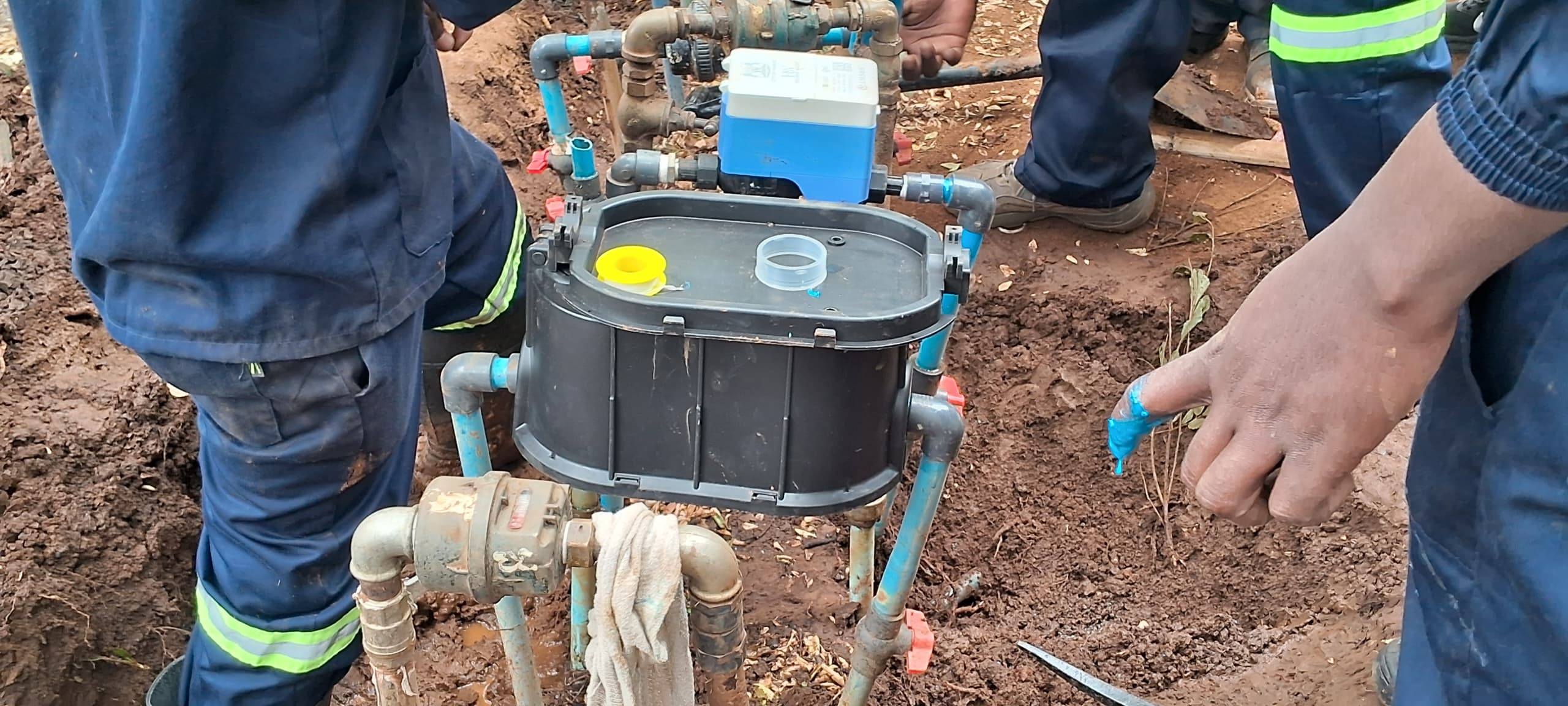

The Combined Harare Residents Association (CHRA) has criticised the City of Harare’s proposed 2026 Budget, calling the planned water tariff increases “astronomic” and several other proposals unrealistic.
The 2026 Budget, presented on 30 October under the theme “A Commitment to Inclusive Growth, Sustainable Service Delivery, and Strong Fiscal Stewardship”, proposes water tariff hikes of 61% for high-density areas, from US$1.24 to US$2.00 per kilolitre, and a 188% increase for low-density suburbs, from US$1.70 to US$4.90 per kilolitre.
While acknowledging the council’s efforts to engage residents in a consultative process, CHRA said the budget fails to reflect the lived realities of citizens and overestimates the city’s capacity to deliver essential services. CHRA said:
“The proposed tariff hikes for high density areas of US$ 2.00 from USD 1.24 for a kilolitre which translate to 61% increase, and low density suburbs from USD1.70 to USD 4.90 per kilolitre which translates to 188% increase is unjustified in the absence of visible improvements in water supply, and considering that in South Africa, Johannesburg, the same amount of water cost USD 1.24.
“The water tariff hike is a threat to household water security, and a deliberate strategic move aligned to the water privatisation agenda while aiming to isolate the urban poor from accessing water on the basis of affordability.
“We note that the budget’s projected 19% revenue increase to USD 690.8 million is overly ambitious given the current 50% revenue collection efficiency and persistent service delivery breakdowns.
“The local authority cannot continue to demand more from residents while failing to provide basic services such as clean water, waste collection, and sewer maintenance. On the ZWG 8.61 billion debt, with more than 60% owed by domestic consumers.
“The proposed ‘conditional amnesties’ lack clarity and fairness, and will not work without a comprehensive, transparent debt management plan tied to service delivery performance.
“We caution that the city’s over-reliance on Public-Private Partnerships (PPPs) and external funding create dependence risks turning the City’s 2026 Budget into a ‘wish list’ rather than a practical financial framework.
“The audit backlog is worrying, noting that the City of Harare’s financial statements are only updated to 2021 a situation that undermines public confidence and trust, and accountability.”
In response, CHRA called on the City of Harare to prioritise service delivery improvements to rebuild public trust and encourage compliance, and to publish a fair and transparent debt management plan that does not penalise ratepayers who are up to date with payments.
The association also urged the council to commit to financial transparency by clearing the audit backlog and regularly reporting progress, and to implement a phased tariff increase directly tied to measurable improvements in services.
CHRA further called on the council to strengthen internal capacity in procurement and project management to ensure the effective execution of the budget.

 Pindula WhatsApp Channel
 Facebook Page


Leave a Reply