

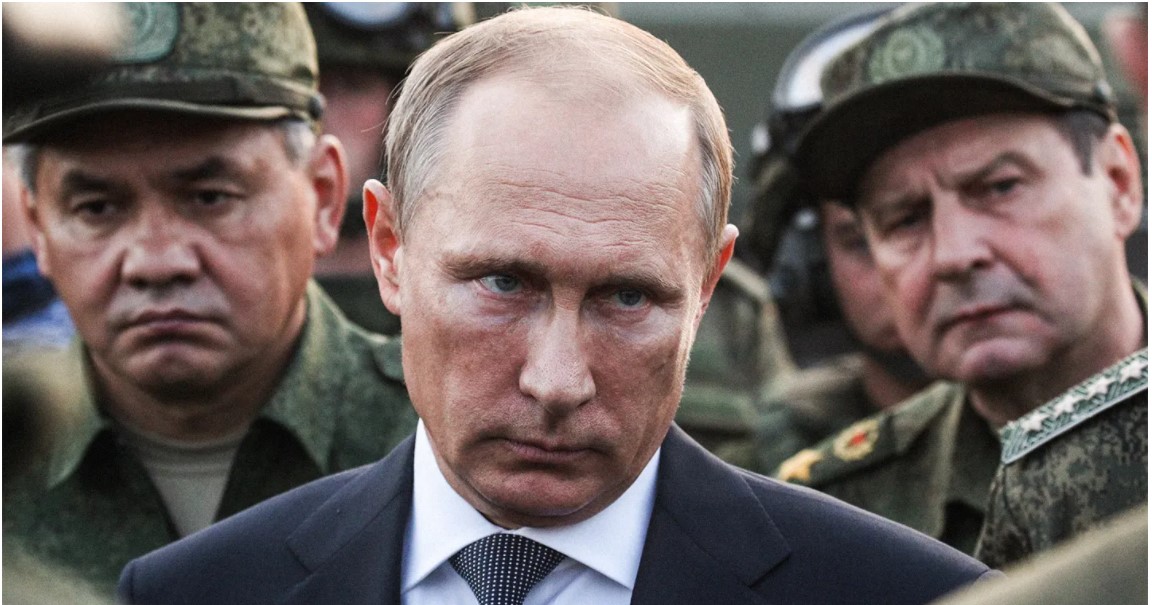

On September 19, 2025, the European Union announced its 19th sanctions package targeting Russia, aiming to intensify economic pressure and hinder its ability to fund the ongoing war in Ukraine. The measures include phasing out Russian liquefied natural gas purchases by 2027, expanding restrictions on financial services, and blacklisting additional vessels linked to Russia’s “shadow fleet.” European Commission President Ursula von der Leyen emphasized the EU’s commitment to using sanctions as an “effective tool of economic pressure” until Russia engages in negotiations.
However, the feasibility of implementing these measures remains uncertain. While the EU aims to phase out Russian gas and oil, countries such as Hungary and Slovakia still rely heavily on Russian energy imports to keep their economies running and their populations supplied with affordable power. This reliance complicates enforcement, as phasing out Russian energy will require costly infrastructure upgrades, sourcing alternatives from the Middle East and Africa, and financial support to shield vulnerable economies within the bloc. U.S. President Donald Trump added another layer of complexity by openly declaring,
“I am ready to do major Sanctions on Russia when all NATO Nations have agreed, and started, to do the same thing, and when all NATO Nations STOP BUYING OIL FROM RUSSIA.”
By tying America’s participation to Europe’s complete exit from Russian energy, Trump effectively raised the stakes, leveraging Europe’s divisions to apply pressure. For some leaders, his stance accelerated the urgency of diversification efforts, while for others it reinforced a sense of vulnerability, as the EU risked being seen as dependent on U.S. political will even as it struggled to enforce its own policies.
This assertive stance contrasts sharply with Europe’s response to Israel’s actions in Gaza. Despite mounting evidence of atrocities, including the deaths of over 65,000 Palestinians, the EU has largely refrained from imposing sanctions or halting arms exports to Israel. Between 2018 and 2022, EU member states sold arms worth 1.76 billion euros to Israel, and many continue to provide military support and political cover. Some countries, including Britain, have threatened to recognise Palestine as a state at the upcoming UN General Assembly in October. However, analysts argue that this move is merely intended to hoodwink the international community into believing that Prime Minister Keir Starmer genuinely stands for human rights and democracy.
This discrepancy has drawn criticism from various quarters. A Belgian member of parliament, Simon Moutquin, argued that Europe’s silence on Gaza undermines its credibility in advocating for international law, stating,
“We are so hypocritical in Europe to speak about international law when we speak about Ukraine and Russia, but if we don’t have the same [views] when we speak about the Palestinians, we will not have any credit in the future to speak about [it]”.
Furthermore, 58 former EU ambassadors have signed an open letter urging the bloc to end arms exports to Israel and take action to stop what they describe as “atrocity crimes” in Gaza (aljazeera.com). They warn that Europe’s failure to act risks complicity in genocide.
The United States’ unwavering support for Israel has further complicated Europe’s position. On September 18, 2025, the U.S. vetoed a United Nations Security Council resolution calling for a ceasefire in Gaza for the sixth time, drawing condemnation from various nations and human rights organizations (aljazeera.com). This veto has shielded Israel from international accountability and emboldened its military actions.
In contrast, the EU has been proactive in imposing sanctions on Russia, demonstrating its willingness to take decisive action against perceived violations of international law. However, this same resolve has not been applied to Israel, raising questions about the consistency and fairness of Europe’s foreign policy.
As the humanitarian crisis in Gaza deepens, Europe’s selective approach to international justice is increasingly scrutinized. The EU’s credibility on the global stage hinges on its ability to apply the same standards to all nations, regardless of political alliances. Until then, its calls for accountability in Ukraine may ring hollow to many observers.
More Pindula News
 Pindula WhatsApp Channel
 Facebook Page


Leave a Reply