

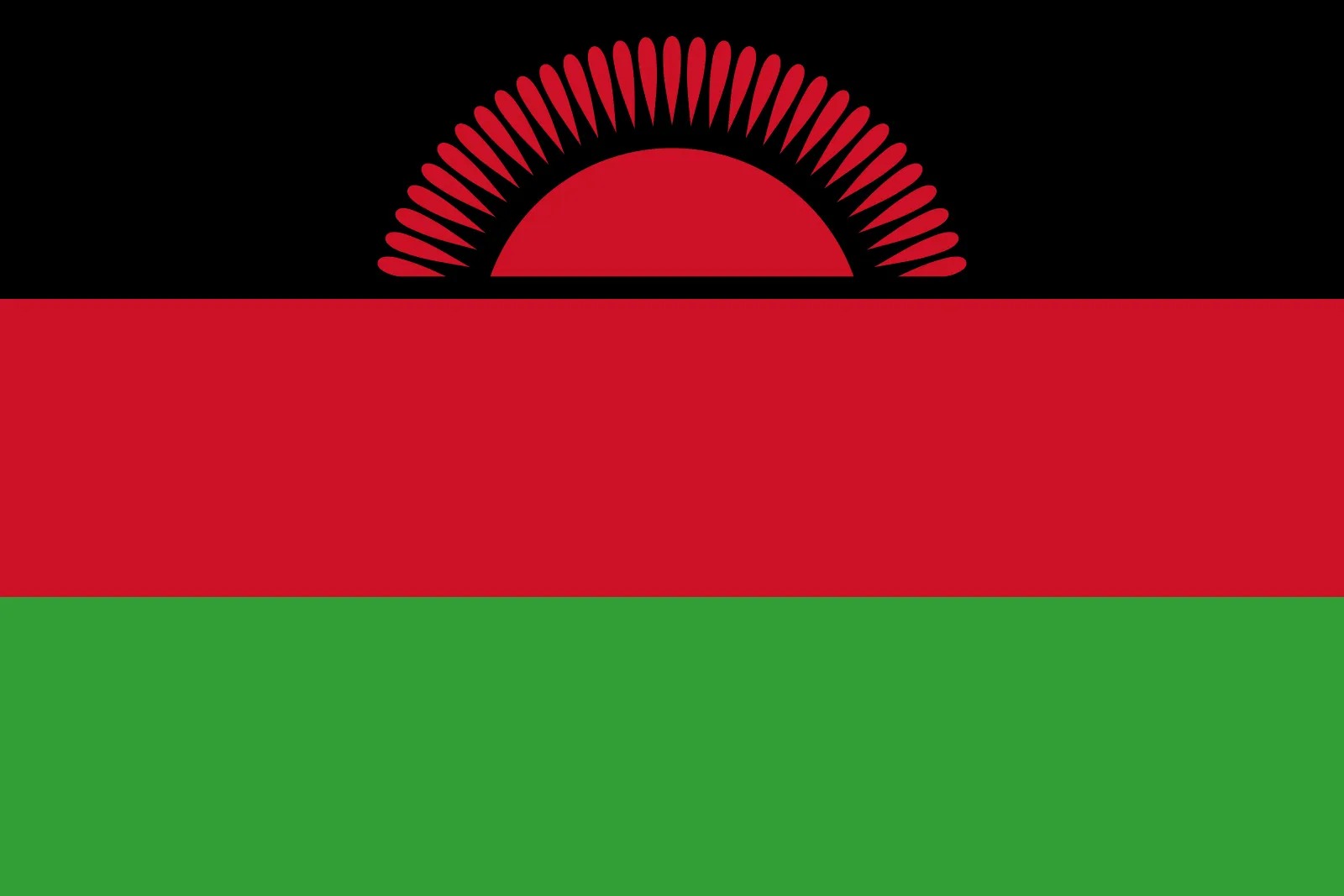

Malawians went to the polls today, 16 September 2025, in a tripartite election, choosing the president, members of parliament, and local government councillors.
With more than 7.2 million registered voters, the election carries significant weight in a country facing economic challenges, political realignment, and the ongoing impact of climate-related disasters.
This is the second national vote under Malawi’s 50%+1 presidential rule, implemented following the annulment of the 2019 election. Under this system, if no candidate secures an outright majority, a run-off between the top two contenders will be held within 30 days.
Seventeen candidates are contesting the presidency, including three high-profile figures. Incumbent President Lazarus Chakwera (70) of the Malawi Congress Party (MCP) is seeking a second and final term.
Former President Peter Mutharika (85), leader of the Democratic Progressive Party (DPP), is attempting a political comeback, while former President Joyce Banda is running under the People’s Party (PP).
The political landscape has shifted following the collapse of the Tonse Alliance in 2024, the coalition that brought Chakwera to power.
The MCP is now contesting independently, while opposition parties work to consolidate their support.
Voters are electing the President and Vice President on a joint ticket, 229 members of parliament, up from 193, and 509 local government councillors across 39 councils.
Polling stations opened at 6:00 AM and are scheduled to close at 5:00 PM, with vote counting set to begin immediately.
The Malawi Electoral Commission has eight days to announce presidential results, subject to potential legal challenges.
The election takes place amid economic pressure, with inflation at 27%, fuel shortages, and food insecurity following the 2024 El Niño-induced drought.
The country is still recovering from Cyclone Freddy, which claimed over 1,000 lives and caused widespread damage to infrastructure.
Public concern over corruption, slow development, and rising poverty has shaped the campaign, with candidates emphasising promises of reform, relief, and renewed investment.
Electronic transmission of results is being conducted using Smartmatic devices, although some observers have expressed concerns about transparency.
International monitors from the African Union, European Union, and Commonwealth are present to oversee the process.
With more than 2,000 parliamentary candidates and 737 independents on the ballot, the contest is crowded.
Nevertheless, many voters say their priority is finding leadership that can deliver tangible improvements rather than just campaign promises.
More: Al Jazeera


 Pindula WhatsApp Channel
 Facebook Page


Leave a Reply