

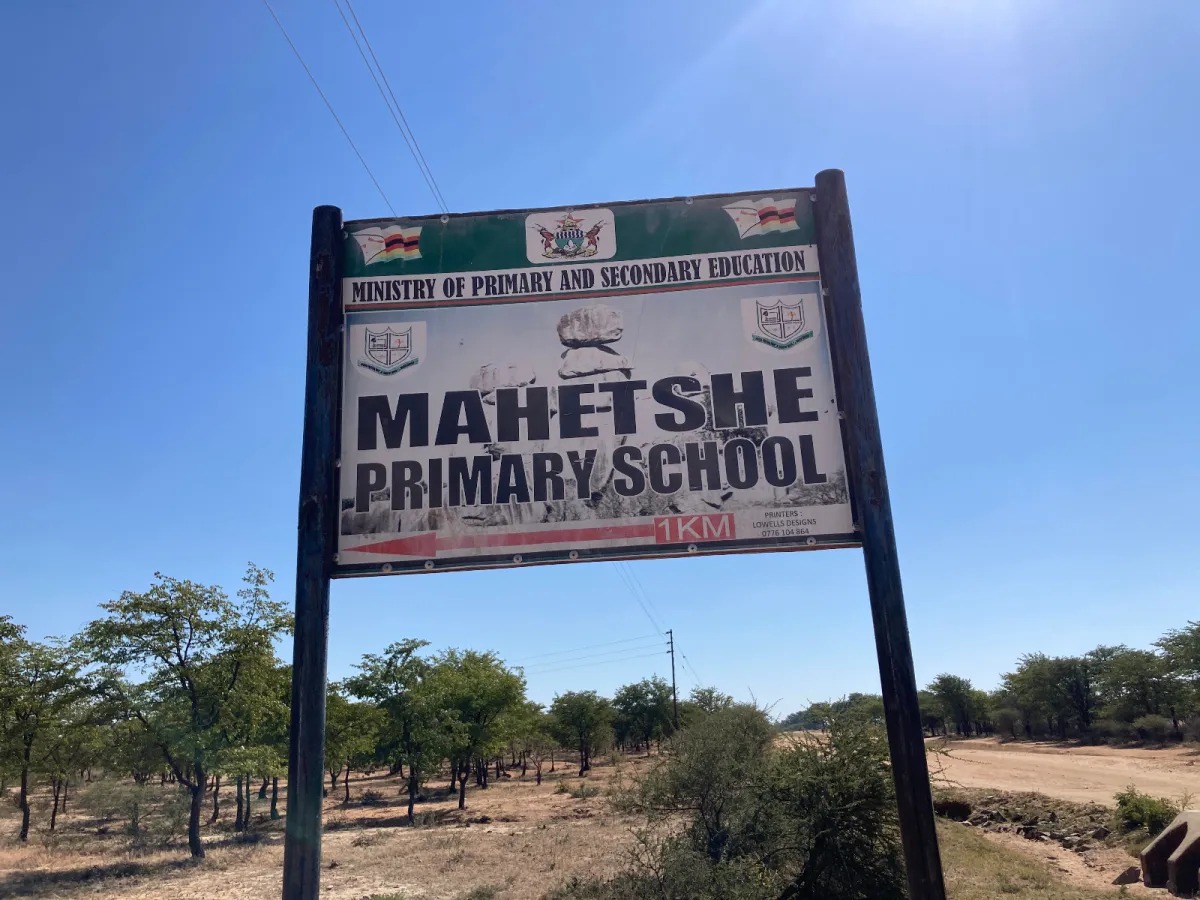

Some Members of Parliament have admitted that scrapping corporal punishment in schools was a grave mistake, warning that indiscipline among pupils is spiralling out of control.
In January 2025, the Ministry of Primary and Secondary Education issued sweeping guidelines prohibiting teachers from beating children under any circumstances.
The move, anchored in reforms to the Education Act (Chapter 25:04), stresses that all disciplinary measures must respect pupils’ dignity and outlaw any form of physical or psychological torture, or degrading punishment.
But now, a growing number of MPs are calling for a U-turn. Fifteen of the twenty legislators who spoke to B-Metro this week confessed that they may have erred in endorsing the ban.
Many openly argued that the absence of corporal punishment has fuelled rising levels of unruly behaviour in classrooms and communities. Emakhandeni-Luveve MP Collins Bajila said:
“Children need to be disciplined, but we must avoid injuries. It’s time for a new law that ensures correction without violence.”
Beitbridge East MP Sithabisiwe Moyo said that abolishing corporal punishment in schools was a mistake. She added:
“Children have become very disrespectful. I will personally move the motion that it should return to Parliament for debate.”
Mazowe MP Tsungai Makumbe said corporal punishment can serve a corrective purpose if administered responsibly. Said Makumbe:
“Our children’s discipline shapes the nation’s future. If handled carefully, corporal punishment could play a corrective role again. True discipline corrects without leaving scars.”
Gwanda-Tshitaudze MP Moyo Fisani argued that teachers can discipline pupils—provided there’s a strict framework in place.
Fisani suggested that only light strokes, administered in the presence of another educator and properly documented, could serve as a corrective measure.
However, not everyone agrees. Chief Witness Chikwaka criticised corporal punishment as excessively harsh, urging schools to adopt alternative disciplinary methods.
Primary and Secondary Education Minister Torerayi Moyo reiterated that corporal punishment remains illegal, saying changing student behaviour requires more than fear.
Under the Ministry’s current guidelines, schools are expected to encourage self-discipline and respect, alongside positive remedial measures.
Suspension, exclusion, or expulsion may only be applied for serious offences—and always with proper documentation
More: B-Metro

 Pindula WhatsApp Channel
 Facebook Page


Leave a Reply