



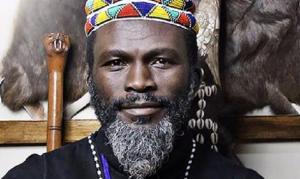
Masvingo, Zimbabwe — Joshua Maponga, a former SDA Church pastor and outspoken pan-Africanist, has publicly condemned the appropriation of his ancestral land by powerful political elites in his hometown of Masvingo. Taking to social media, Maponga delivered a scathing rebuke of the political class and their blatant disregard for local rights.
𝗠𝗔𝗣𝗢𝗡𝗚𝗔’𝗦 𝗢𝗨𝗧𝗥𝗔𝗚𝗘 𝗙𝗢𝗥𝗖𝗘𝗦 𝗔 𝗡𝗔𝗧𝗜𝗢𝗡𝗔𝗟 𝗗𝗘𝗕𝗔𝗧𝗘
Maponga’s passionate post underscores a deep sense of betrayal. He wrote:
“We have a very big problem in the Lowveld… Ministers and government officials and politicians are getting huge chunks of land… we the local children… can’t go to other provinces to ask for land… This is a brewing war… The army, the politicians… are claiming our inheritance.”
Asserting that they have “lost 500 hectares to a party leader I have been waiting for three years,” Maponga’s plea struck a nerve across social media, triggering public discourse on land grabs and corruption within the elite.
𝗖𝗛𝗜𝗟𝗢𝗡𝗚𝗔 𝗟𝗔𝗡𝗗 𝗦𝗧𝗢𝗥𝗬: 𝗛𝗔𝗥𝗗 𝗛𝗜𝗧𝗦 𝗢𝗡 𝗛𝗢𝗠𝗘𝗦, 𝗛𝗘𝗥𝗜𝗧𝗔𝗚𝗘 𝗔𝗡𝗗 𝗟𝗜𝗩𝗘𝗟𝗜𝗛𝗢𝗢𝗗𝗦
Maponga’s grievance echoes the ongoing struggle in Chilonga, Chiredzi—where thousands of villagers face land displacement under a controversial lucerne (cattle feed) project spearheaded by Dendairy (Pvt) Ltd.
Statutory Instruments (SI) 50 and 51 of 2021 attempted to legalize the carving out of over 12,900 hectares of communal land for Dendairy’s project.
Legal challenges followed. In 2022, a High Court dismissed efforts by villagers to halt the evictions under the Communal Land Act.
Civil society and community resistance forced a pause. The government, under mounting pressure, proposed incorporating villagers into the scheme rather than completely relocating them.
Yet mistrust remains high: locals fear broken promises, referencing historical displacements—from Hippo Valley resettlements to impoverished relocations after Tokwe-Mukosi dam construction.
𝗪𝗜𝗗𝗘𝗥 𝗜𝗠𝗣𝗟𝗜𝗖𝗔𝗧𝗜𝗢𝗡𝗦 𝗙𝗢𝗥 𝗔𝗙𝗥𝗜𝗖𝗔𝗡 𝗣𝗢𝗟𝗜𝗧𝗜𝗖𝗦
In his fiery post, Maponga goes beyond personal grievance, lambasting the broader political establishment:
“You went to war to restore land… But now you have made yourselves the kings… enforcing Roman Dutch laws… Africa is being destroyed while you are receiving corrupt money… The nation eats crumbs while you dine in expensive restaurants… Prepare the prisons… you will end up there very soon.”
This rhetoric captures a broader sentiment of disillusionment across Zimbabwe—and beyond—that liberation-era leaders have become the new oppressors. It’s a plea for accountability, rooted in the collective pain of land dispossession and state capture.
𝗪𝗛𝗔𝗧’𝗦 𝗔𝗧 𝗦𝗧𝗔𝗞𝗘?
- For Maponga and the Lowveld locals, land rights reflect not just ownership but survival, identity, and justice.
- For Chilonga villagers, the fear of eviction isn’t hypothetical—it’s the continuation of a painful historical legacy.
- For the political class, these protests signal eroding public trust and an urgent call for ethical governance.
Joshua Maponga’s emotional outcry taps into a larger narrative—a fight for ancestral land in the face of elite encroachment. When anchored to the Chilonga saga, it shows that land is not merely real estate, but heritage. As the Lowveld and Chilonga battles play out, Zimbabwe faces a choice: preserve a colonial legacy of confiscation, or uphold its people’s right to land, dignity, and self-determination.
More on Pindula News

 Pindula WhatsApp Channel
 Facebook Page


Leave a Reply