

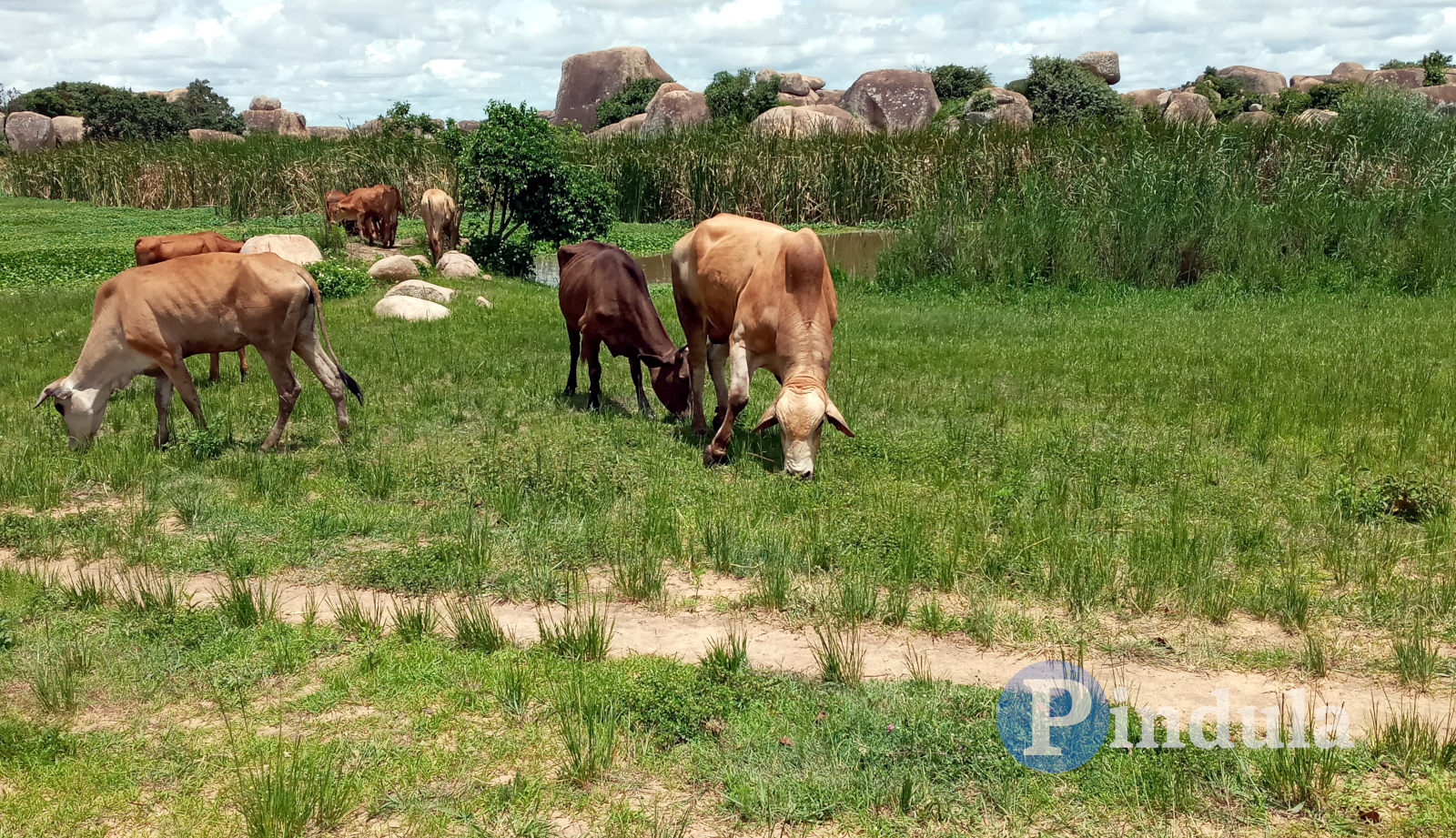

The Zimbabwean government has imposed an immediate, nationwide ban on all livestock movement to curb the spread of Foot and Mouth Disease (FMD).
The measure, announced on Thursday, coincides with the dispatch of 300,000 free vaccines to high-risk areas.
The outbreak has been confirmed in Gutu District, parts of Masvingo, and Chivhu, located in the country’s southern and central regions.
FMD poses a serious threat to cloven-hoofed animals, including cattle, goats, pigs, and sheep, causing fever and painful blisters on the mouth, feet, and teats.
In an interview with The Herald, Lands, Agriculture, Fisheries, Water and Rural Development Deputy Minister Davis Marapira said the vaccines will be strategically deployed to protect the nation’s most valuable livestock. He added:
“We have got more than 300,000 vaccines, which we are going to focus on the affected areas and we will ring-fence our important areas — the pedigree breeders and the dairy farmers — to make sure we protect our seed stock and keep dairy production strong.”
Pious Makaya, Chief Director of the Directorate of Veterinary Services (DVS), stressed that the measures are essential and must be followed. Said Makaya:
“We are enforcing these measures immediately to ensure that all cattle remain in their farms and wards so our teams can effectively carry out the FMD vaccination programme.
“Any laxity at this stage will compromise national livestock health, threaten farmer livelihoods, and disrupt the meat and dairy supply chain.”
The temporary livestock movement ban is backed by strict legal provisions under the Animal Health Act [Chapter 19:01].
Transporting cloven-hoofed animals into or out of affected districts is strictly prohibited without written clearance from the Provincial Veterinary Director, supported by a valid Veterinary Movement Permit issued only after inspection by an authorised veterinary officer.
All livestock auctions, markets, and animal shows within quarantined areas are suspended indefinitely.
The government has also set up vehicle disinfection stations at key control points.
Anyone breaching the regulations risks having their animals impounded and facing prosecution.
Makaya urged the public to report any unusual livestock deaths, sudden illnesses, or suspicious movements of animals to the nearest veterinary office without delay.

 Pindula WhatsApp Channel
 Facebook Page


Leave a Reply