

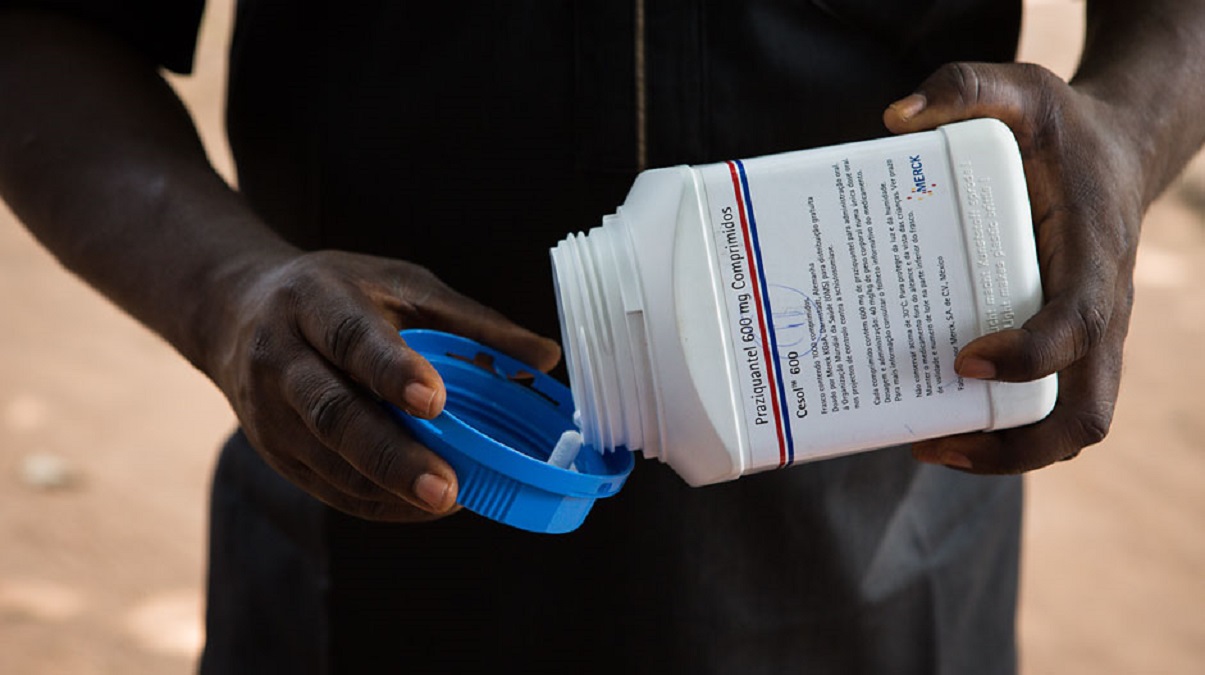

Zimbabwe’s fight against bilharzia has received a boost after the World Health Organisation (WHO) and the Expanded Special Project for the Elimination of Neglected Tropical Diseases (ESPEN) donated medicines to treat the disease.
The WHO Regional Office for Africa and ESPEN recently visited Zimbabwe to help improve the supply chain for Praziquantel, an important drug used to treat bilharzia.
In a statement, WHO and ESPEN said the mission was carried out with support from the pharmaceutical donor Merck and the WHO Country Office in Zimbabwe.
They noted that neglected tropical diseases still affect over a billion people worldwide, with bilharzia a major problem in sub-Saharan Africa, including Zimbabwe. Reads the statement:
“However, recent challenges such as unaccounted for stock, expiry risks and delayed treatment reporting have negatively impacted the effective use of these medicines, posing risks to both the elimination efforts and the sustainability of the WHO drug donation programme.”
According to WHO, the mission used interviews, field visits, and document reviews to study how medicine is managed from central warehouses to rural health centres. One key finding was inconsistent data management. It said:
“While central systems have been automated for better tracking and reporting, some rural facilities continue to rely on manual data entry, using handwritten records and this gap has contributed to reporting delays and reduced visibility on medicine stock levels.”
WHO said Zimbabwe’s management of medicines for neglected tropical diseases has strengths, especially the good coordination between the Health Ministry and NATPHARM, which helps manage expired medicines properly.
WHO officials stressed the need for accurate and timely data, along with strong accountability, to improve stock tracking and guide future medicine donations.
They warned that because Praziquantel has a short shelf life, poor stock management can lead to waste and missed treatment chances.
The mission’s findings will be used to create recommendations to improve the medicine supply chain and reporting systems in Zimbabwe.


 Pindula WhatsApp Channel
 Facebook Page


Leave a Reply