


Zimbabwe’s largest public hospitals are haemorrhaging billions of dollars in public funds due to ghost workers, poor record-keeping, and a complete lack of oversight, the Auditor-General’s report has revealed.
Acting Auditor-General Rheah Kujinga uncovered alarming levels of mismanagement at central hospitals including Mpilo, UBH, Ingutsheni, and Parirenyatwa.
The report reveals instances where salaries were paid to people who no longer work there, medicines disappeared from shelves, and unqualified staff were found treating patients.
At Mpilo Central Hospital, four former employees who had resigned months earlier still received a combined total of ZWL40 million, simply because the payroll had not been updated. Said Kujinga:
The hospital failed to submit monthly staff returns… This allowed resigned employees to continue receiving salaries.
While hospital management insists the funds were recovered and that new systems are now in place, the rot runs far deeper.
The Auditor-General’s report revealed that inventory worth ZiG161 million was unaccounted for, and donations valued at ZiG2.15 billion lacked supporting documentation. There were no internal audits, and no functioning boards to provide oversight.
At United Bulawayo Hospitals (UBH), key staff including radiographers, doctors, and nurse aides failed to appear for physical verification.
The Human Resources department was unable to produce leave forms or duty rosters to account for their absence.
The report also revealed that some staff were working without valid practising certificates, in breach of the Health Professions Act.
At Ingutsheni Hospital, inventory controls were found to be in disarray. Although records showed 1,611 units of Phenobarbitone, the pharmacy had none.
Other supplies, including fuel, bread, and sugar, were also listed but missing.
The report criticised the hospital’s inventory management and called for regular reconciliations to prevent fraud and drug shortages.
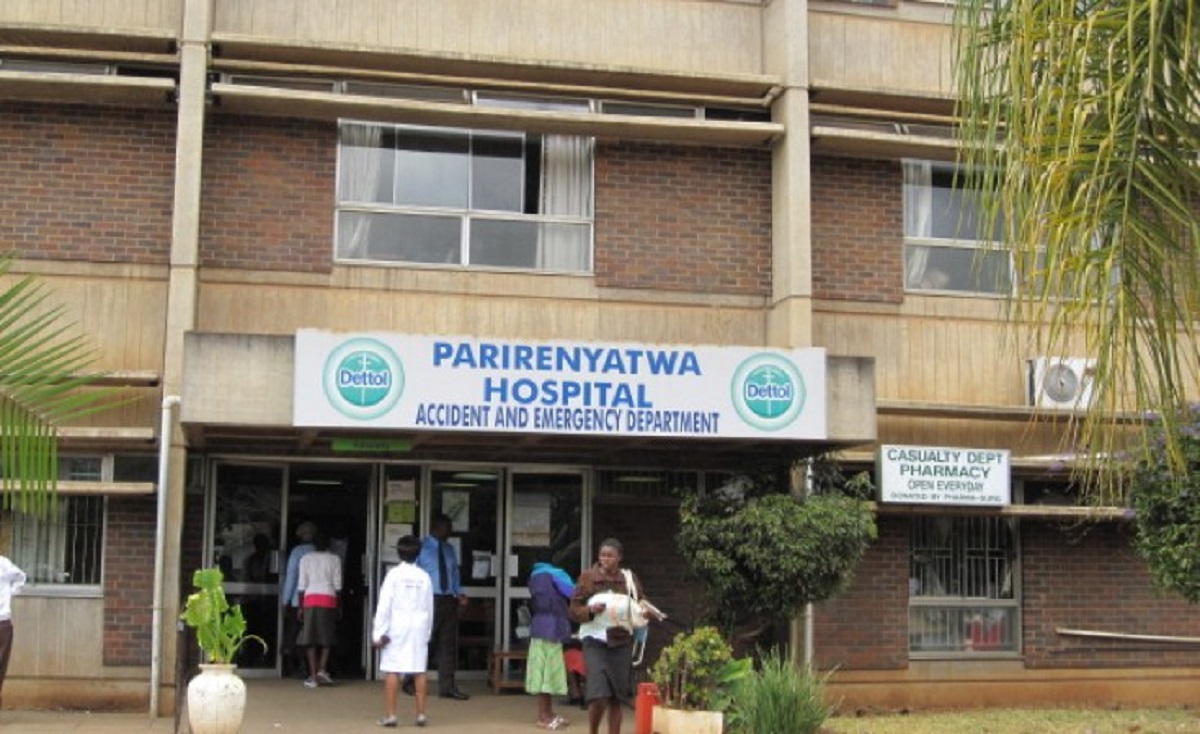
At Parirenyatwa Group of Hospitals, the mismanagement continued. Medical aid payments were not reconciled, capital projects were left incomplete, and ghost figures persisted in the accounting books.
In one case, a debtor balance was recorded at ZiG5.48 billion in the hospital’s books, while the medical aid society reported owing only ZiG4.96 billion.
Crucially, none of the four central hospitals had operational management boards, despite legal obligations under the Health Service Act and the Public Entities Corporate Governance Act.
Kujinga also raised concern over the repeated failure to address findings from previous audits, including those dating back to 2020.
Of ten recommendations made in earlier reports, only one had been fully implemented.
More: B-Metro
 Pindula WhatsApp Channel
 Facebook Page


Leave a Reply