

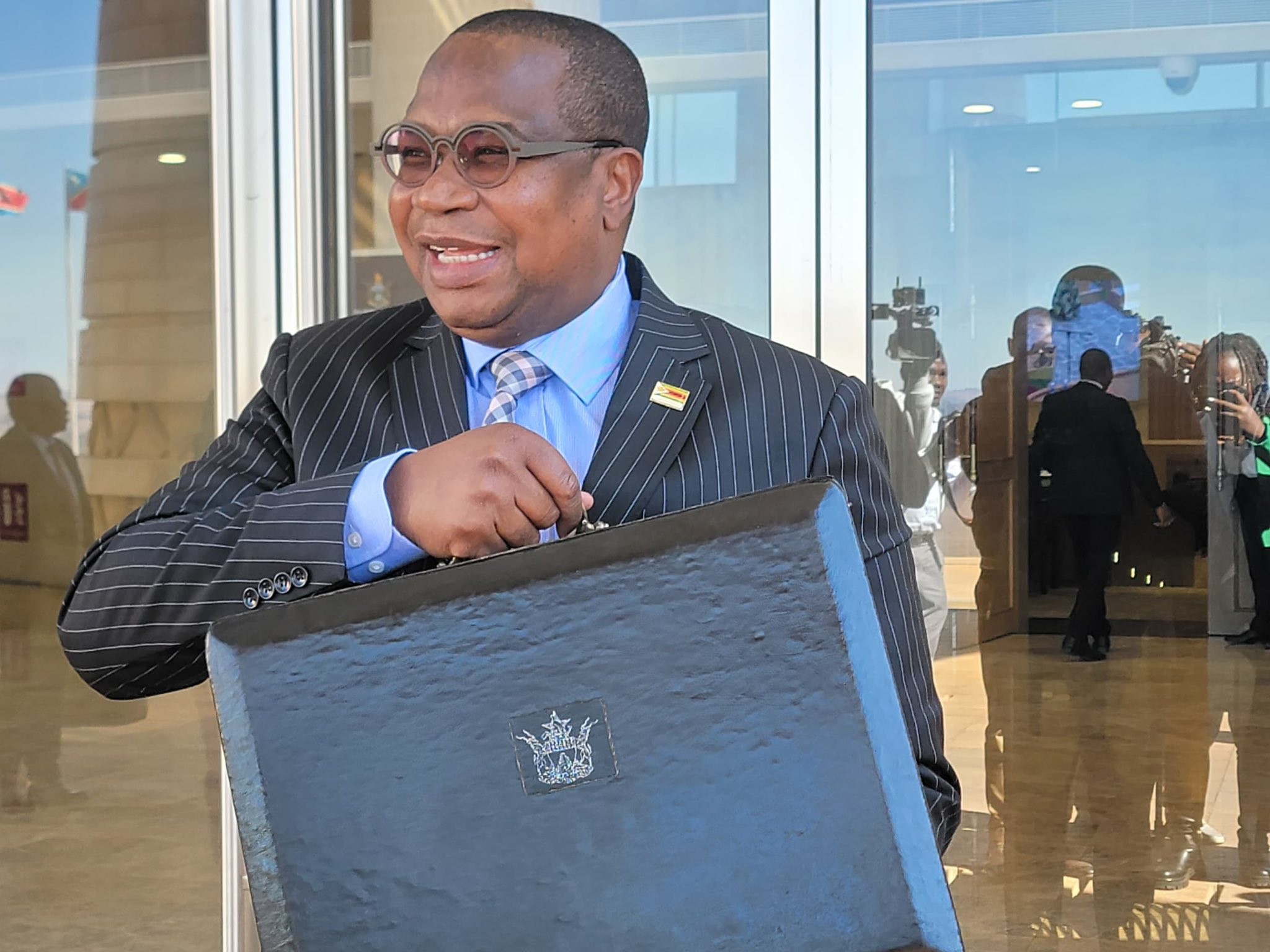

Finance, Economic Development and Investment Promotion Minister Mthuli Ncube has admitted that some businesses in Zimbabwe must break the law to remain profitable, highlighting a regulatory system that punishes compliance and rewards evasion.
Speaking during the 2025 Mid-Term Budget Review in Parliament on Thursday, Ncube remarked off the cuff that more money was being made outside formal compliance channels. He said:
During the second half of the year, government will be seized with the implementation of business reforms, targeting the reduction of fees and charges as well as regulatory requirements and the number of steps in acquiring licences for example.
This will significantly reduce the operating costs for industry to enable it to compete both domestically and internationally.
We have a situation where in some sectors, players or private players are only profitable if they don’t comply with regulatory requirements.
If they comply, they make losses and that situation needs to be changed. We will lower the cost of doing business.
Ncube announced that the government will be reviewing regulatory fees and charges, bureaucratic procedures, and compliance requirements sector by sector, beginning with agriculture.
He said the agricultural sector would be the first to undergo review, starting within a week or two.
Research by the local fact-checking body, ZimFact, conducted in March, revealed that Zimbabweans pay nearly 50 different taxes, making the country one of the most heavily taxed in the world.
This analysis was based on local tax legislation, including the Finance Act, Income Tax Act, Customs and Excise Act, Capital Gains Tax Act, Value-Added Tax Act, Stamp Duties Act, and Revenue Authority Act.
More: NewsDay


 Pindula WhatsApp Channel
 Facebook Page


Leave a Reply