


Thousands of nurses across Zimbabwe are spending nearly US$2,000 each in pursuit of better-paying jobs abroad, only to be denied critical verification letters required to complete their emigration process.
More than 6,000 nurses have applied for verification letters from the Nurses Council of Zimbabwe, paying the mandatory US$300 application fee.
However, many are yet to receive the documents, leaving them in limbo after committing substantial financial resources in preparation for overseas opportunities.
The total cost for a nurse seeking to migrate typically ranges between US$1,430 and US$2,000. This includes fees for English proficiency tests, some of which are repeated, costing up to US$640, along with US$180 for UK Nursing and Midwifery Council (NMC) registration, US$165 for lab blood tests, US$65 for tuberculosis screening, and approximately US$100 for training, internet access, and travel.
Additional expenses, such as transcript fees in local currency and repeated trips to Harare for processing, further compound the financial burden.
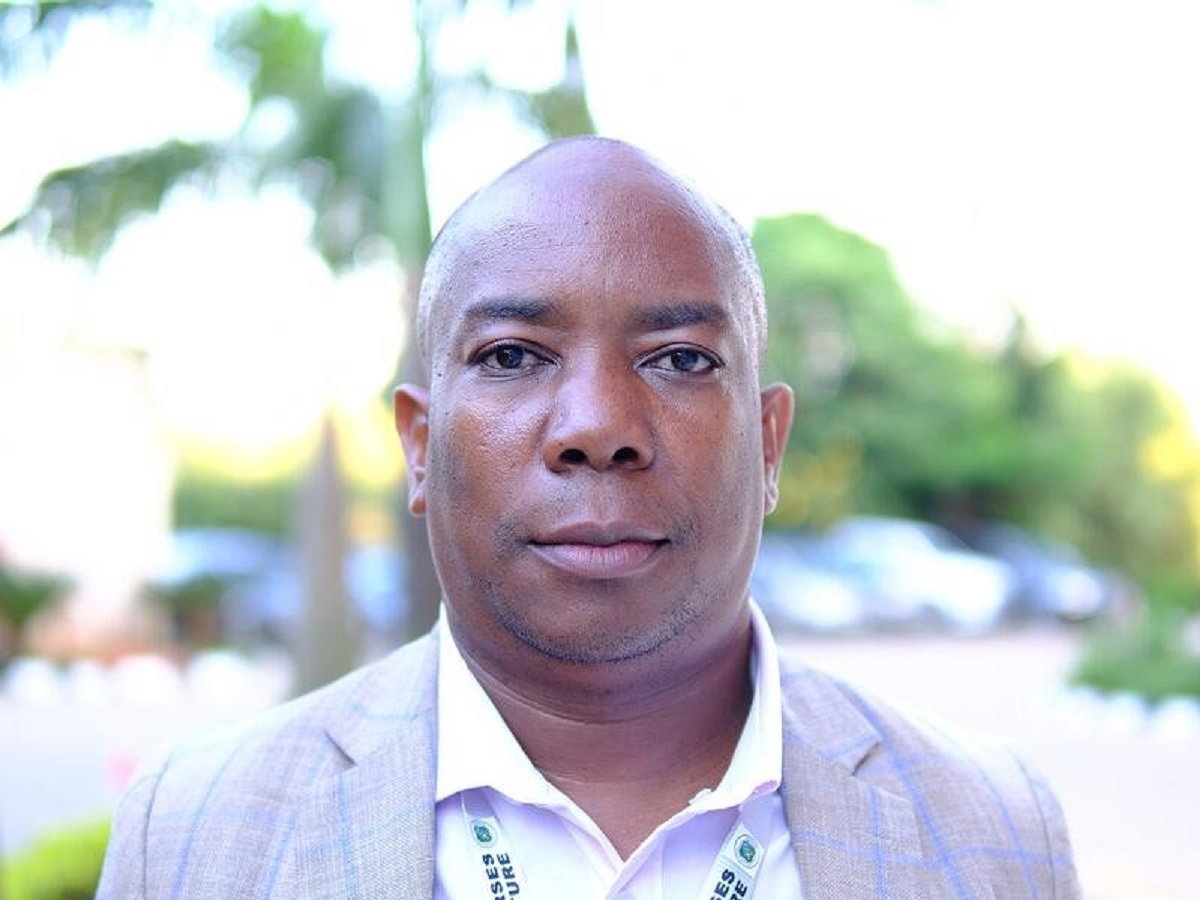
Zimbabwe Nurses Association president Enock Dongo described the situation as both unjust and financially crippling for health professionals seeking better livelihoods abroad. Said Dongo:
So this is one of the costs that one nurse incurred during the process and not to be given the verification letter at the end. She used more than US$1 400 for nothing, all gone.
Looking at the number of nurses who are in the country trying to get their verification letters, it’s sad. Calculating the number of nurses who did this process, they are so many.
They are so many and some actually attempted to write English tests four, five, six, seven times and it means the bill can even go up to US$2 000 something per nurse.
Most of the money is also going to the British government for the English test when people fail and it is not returnable.
Dongo said the current system not only places a heavy financial burden on healthcare professionals, but also undermines trust in public institutions and fuels growing frustration within an already overburdened health sector.
More: NewsDay


 Pindula WhatsApp Channel
 Facebook Page


Leave a Reply