


The Broadcasting Authority of Zimbabwe (BAZ) has raised concern over the increasing use of internet-based platforms to broadcast content that contravenes national broadcasting laws and standards.
In a statement issued on 17 July 2025, BAZ said it had noted a worrying trend involving the dissemination of unverified, harmful, or offensive material online, in a clear breach of the country’s broadcasting framework.
The regulator said that some of the content circulating on digital platforms violates provisions of the Broadcasting Services Act [Chapter 12:06], the Broadcasting Services (Licensing and Content) Regulations, 2004 [SI 185/2004], and the Broadcasting Services (Code of Conduct for Broadcasters) Regulations, 2023 [SI 148/2023]. It said:
These instruments set the standards for responsible broadcasting, ensuring content upholds national values, respects individual rights, and contributes positively to societal development.
The Code of Conduct for Broadcasters clearly defines the professional and ethical guidelines that all broadcasters, whether traditional or digital, are required to follow.
The reminder follows a wave of public outrage sparked by recent interviews conducted by DJ Sparks and DJ Ollah 7 on internet-based platforms.
The interviews have ignited widespread debate over media ethics, trauma-informed reporting, and the limits of responsible broadcasting.
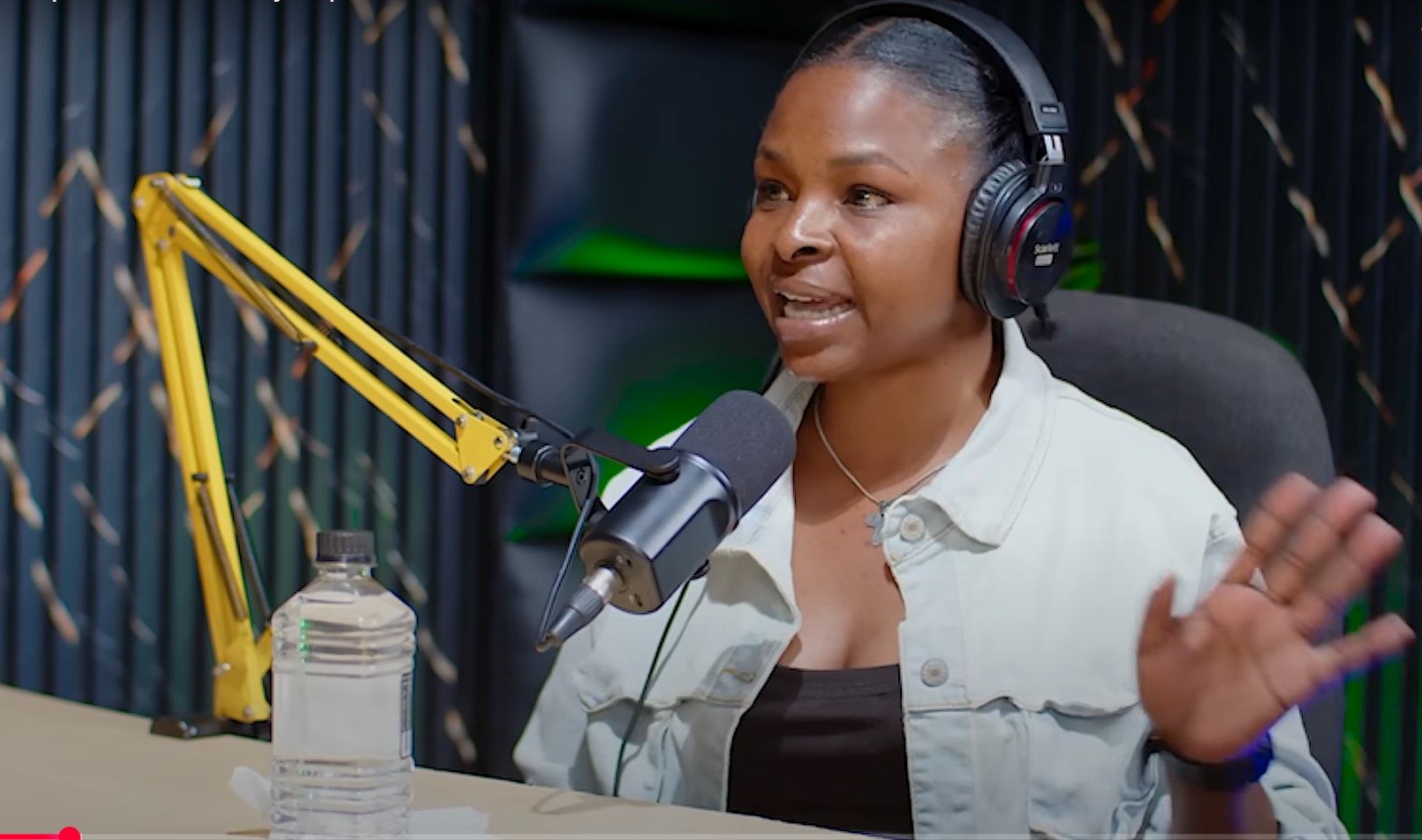
DJ Ollah 7’s podcast episode featuring socialite Mai Jeremaya drew sharp criticism for its explicit content and intrusive questioning.
The interview revisited previously dismissed rape allegations and delved into highly personal topics, including her sexual history and marital life.
Critics say Ollah 7’s approach lacked sensitivity and failed to meet ethical journalism standards, particularly in the context of reporting on survivors of sexual violence.
Similarly, DJ Sparks has come under fire for hosting interviews that critics argue glamorise harmful behaviour and prioritise sensationalism over substance.
In its statement, BAZ acknowledged that while freedom of expression and media are protected under the Constitution, these rights must be exercised responsibly and with due regard for the dignity, privacy, and rights of others. The Authority added:
Broadcasting via the internet does not equate exemption from responsible broadcasting; all broadcasters must meet the same ethical and legal standards.
Broadcasting platforms must not become vehicles for lawlessness, misinformation, or the erosion of core national values.
The Authority will continue to monitor both traditional and digital media, and shall not hesitate to decisively enforce the existing laws to protect the integrity of Zimbabwe’s media space.
The Authority calls on all broadcasters to familiarise themselves with the Code of Conduct for Broadcasters, and to ensure that their content complies with the law.

 Pindula WhatsApp Channel
 Facebook Page


Leave a Reply