



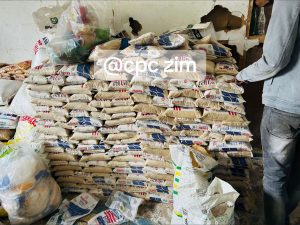
The Confederation of Zimbabwe Industries (CZI) has expressed concern over the continued influx of substandard goods into the local market, despite the existence of regulatory measures meant to ensure product quality and safety.
In 2015, the government implemented the Consignment-Based Conformity Assessment (CBCA) programme, which mandates the inspection and certification of selected imported goods to ensure they meet Zimbabwe’s quality and safety standards prior to shipment.
The primary objective of the CBCA is to safeguard consumers from counterfeit and low-quality products, promote fair competition, and prevent the entry of mispriced imports into the country.
Speaking at a government CBCA Programme Consultation Workshop this week, CZI Trade and Regulatory Affairs officer Chinyaradzo Phiri said:
As the private sector, we pushed for this to protect our markets from counterfeit products. But the CBCA is not helping much — mispriced and substandard goods are still entering through porous borders.
She said the programme has become increasingly burdensome for formal businesses, with certification and inspection delays extending well beyond the stipulated 3–5 days, sometimes taking up to three weeks.
These delays, she added, are driving up production costs and causing significant disruptions to supply chains. Said Phiri:
The process is only enforced on formal importers. Informal players are bypassing it and flooding the market with cheaper, non-compliant products, making it harder for compliant businesses to compete.
Phiri also highlighted compliance challenges faced by suppliers, particularly those in China and Europe, who are often unwilling to provide the necessary documentation.
This, she said, forces Zimbabwean companies to source from more expensive alternatives.
As a result, inspection costs are being passed on to buyers, driving up the price of raw materials.
Ultimately, Phiri warned, the local industry is being disadvantaged, creating conditions that fuel corruption and undermine fair trade.
More: NewsDay
 Pindula WhatsApp Channel
 Facebook Page


Leave a Reply