

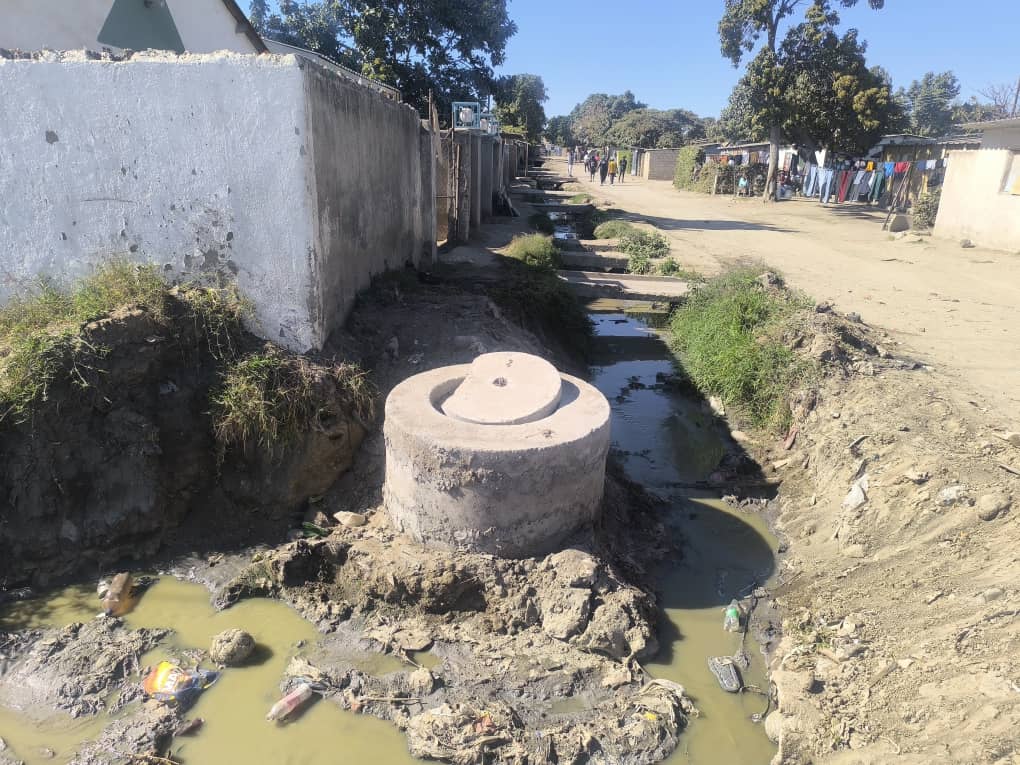

Residents of Chitungwiza have raised concern over a prolonged sewage crisis they say has persisted for months without a lasting solution.
A resident of Zengeza 3, identified only as Mai Kimaya, told the Zimbabwe National Organisation of Associations and Residents Trust (ZNOART) that raw sewage has been flowing from homes for almost six months, creating unbearable living conditions.
She said the situation raises serious public health concerns, particularly for children and other vulnerable members of the community.
According to Mai Kimaya, residents have repeatedly visited Chitungwiza Municipality offices and made telephone calls seeking assistance, but without meaningful action. She also expressed concern over what she described as a lack of intervention by the local councillor, saying residents feel abandoned.
ZNOART said prolonged exposure to untreated sewage puts residents at risk of waterborne diseases and other infections.
The case comes after a report tabled in Parliament last month by the Portfolio Committee on Climate, Environment and Wildlife found that Harare Metropolitan Province requires at least US$500 million to overhaul its wastewater management system and address repeated outbreaks of cholera, typhoid and other waterborne diseases.
The report followed an inquiry into water pollution hotspots in Harare and Chitungwiza. Submissions and evidence from the Environmental Management Agency (EMA), the City of Harare and Chitungwiza Municipality pointed to a systemic collapse of wastewater infrastructure across the metropolitan area, compromising major water bodies and creating a severe environmental and public health crisis.
The committee warned that without adequate funding and a coordinated approach, the region would remain at risk of further disease outbreaks.
“The committee’s inquiry highlights an existential threat to the long-term viability of the Harare Metropolitan region,” the report said.
“The findings collectively demonstrate that without a massive, coordinated capital injection exceeding US$500 million and a fundamental overhaul of the administrative approach to wastewater governance, the region will remain trapped in a cycle of severe public health crises and environmental destruction.
“Resolving this crisis requires moving beyond repetitive litigation toward active, structural rehabilitation. The path forward depends entirely on granting institutional independence to local authorities, strictly ring-fencing service revenues and transforming the ‘Polluter Pays Principle’ from a passive penalty mechanism into an active tool for ecological restoration.”
 Pindula WhatsApp Channel
 Facebook Page


Leave a Reply