

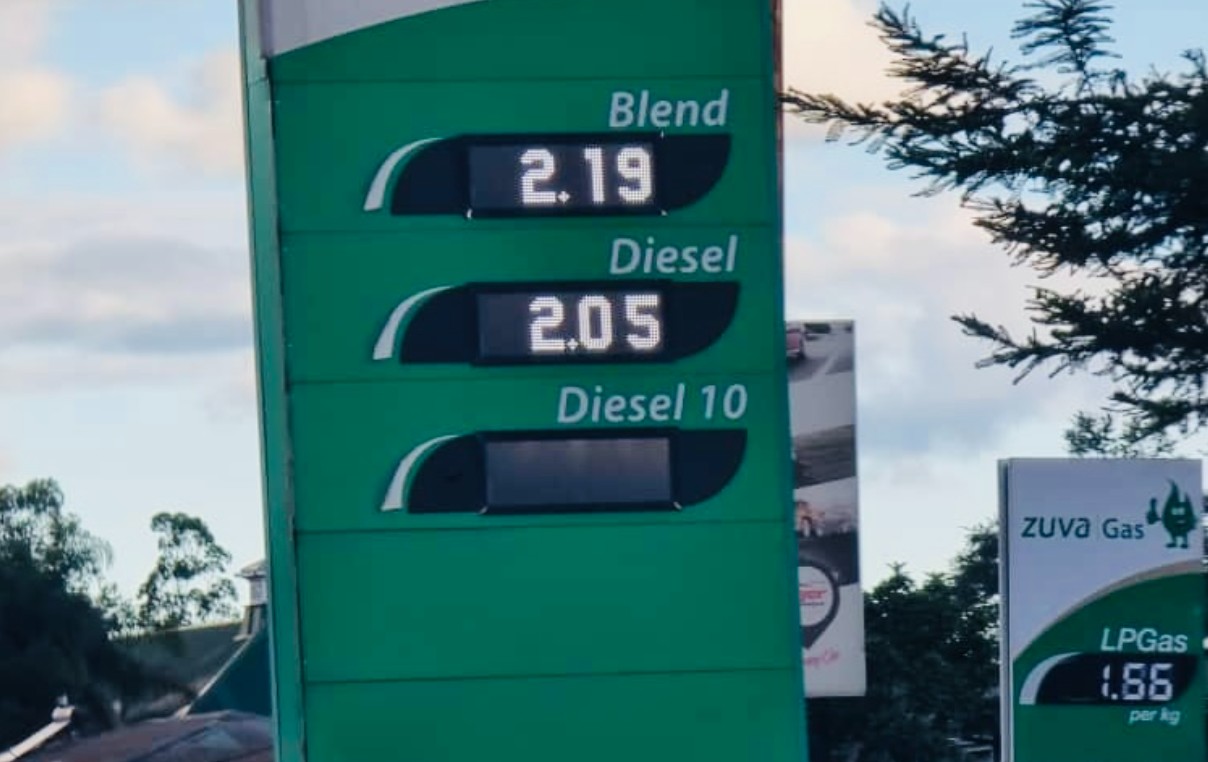

The Zimbabwe National Chamber of Commerce (ZNCC) has urged the government to cap combined fuel taxes and levies at US$0.40 per litre, warning that high energy costs are eroding competitiveness, discouraging investment and undermining production.
Speaking at the Zimbabwe Energy Regulatory Authority (ZERA) 2026 pre‑strategy review workshop in Bulawayo on Thursday, ZNCC Matabeleland regional manager Mduduzi Ncube said the cumulative burden of fuel taxes should be reviewed to ease pressure on businesses and consumers.
He stressed that affordable and reliable energy is vital for sectors such as manufacturing, mining, agriculture, tourism and transport.
Despite improvements in electricity supply and growth in solar and liquefied petroleum gas markets, Ncube said businesses still face high costs and uncertainty when planning investments.
While acknowledging ZERA’s efforts to improve transparency in fuel pricing, he argued that publishing price breakdowns alone does not address the underlying problem.
“As a starting proposal for fiscal assessment, ZNCC recommends considering a ceiling of US$0.40 per litre on combined taxes and levies,” he said.
Ncube added that the proposal should be weighed against its impact on government revenue and the purpose of individual levies, while identifying ways to protect essential public funding and reduce costs for productive sectors.
The Chamber also proposed a fuel‑price smoothing mechanism to moderate sharp increases caused by international market fluctuations.
Under the plan, a rolling average of eligible international fuel prices and procurement costs would be used to reduce abrupt changes, while ensuring that falls in underlying costs are passed on to consumers.
Ncube said any stabilisation fund or reserve should operate under clear rules governing its financing, withdrawals and replenishment, with independent oversight and public reporting.
More: CITE

 Pindula WhatsApp Channel
 Facebook Page


Leave a Reply