



Zimbabwe will launch a nationwide cloud-seeding programme on 1 November to boost precipitation during the 2026/2027 rainfall season, as global climate agencies warn of an unprecedented Super El Niño.
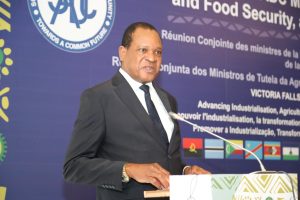
According to a post-Cabinet briefing released on Tuesday, Minister of Agriculture, Mechanisation and Water Resources Development Anxious Masuka said the operation is scheduled to commence on 1 November 2026.
“In light of the unprecedented Super El Niño warnings being issued by global climate agencies, Government is intensifying mitigatory measures, including cloud-seeding efforts to increase chances of precipitation,” Masuka said.
The operation will be supported by three aircraft strategically based at key airfields to ensure coverage of the major agricultural and water-dependent provinces.
Under the deployment plan, one aircraft will operate from Harare to cover all Mashonaland provinces, another from Bulawayo to cover Matabeleland, and the third from Masvingo to cover Midlands, Manicaland and Masvingo.
The intervention comes as forecasts point to a hard season ahead. The impending Super El Niño is expected to bring erratic rains, prolonged dry spells and warmer-than-normal temperatures across Zimbabwe.
Climatologists warn this cycle could rival the destructive events of 2015/16 and 1997/98, which devastated regional harvests. One US research group has said it could be the strongest event in 500 or even 1,000 years.
During the forecast event, Zimbabwe and the wider Southern African region are projected to experience seasonal temperatures 2°C to 4°C above historical averages.
Because climate change has already elevated the global baseline temperature by about 1.4°C, the impending El Niño is essentially pouring fuel on the fire.
For Zimbabwe, that combination is likely to mean severe drought, extreme heat and below-average rainfall.
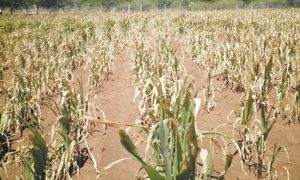
El Niño events in the country have typically been associated with prolonged dry spells, water shortages and crop failures.
For agriculture, which remains the backbone of the economy and food security, that translates into stunted crops, reduced maize yields and pasture shortages for livestock.
 Pindula WhatsApp Channel
 Facebook Page


Leave a Reply