

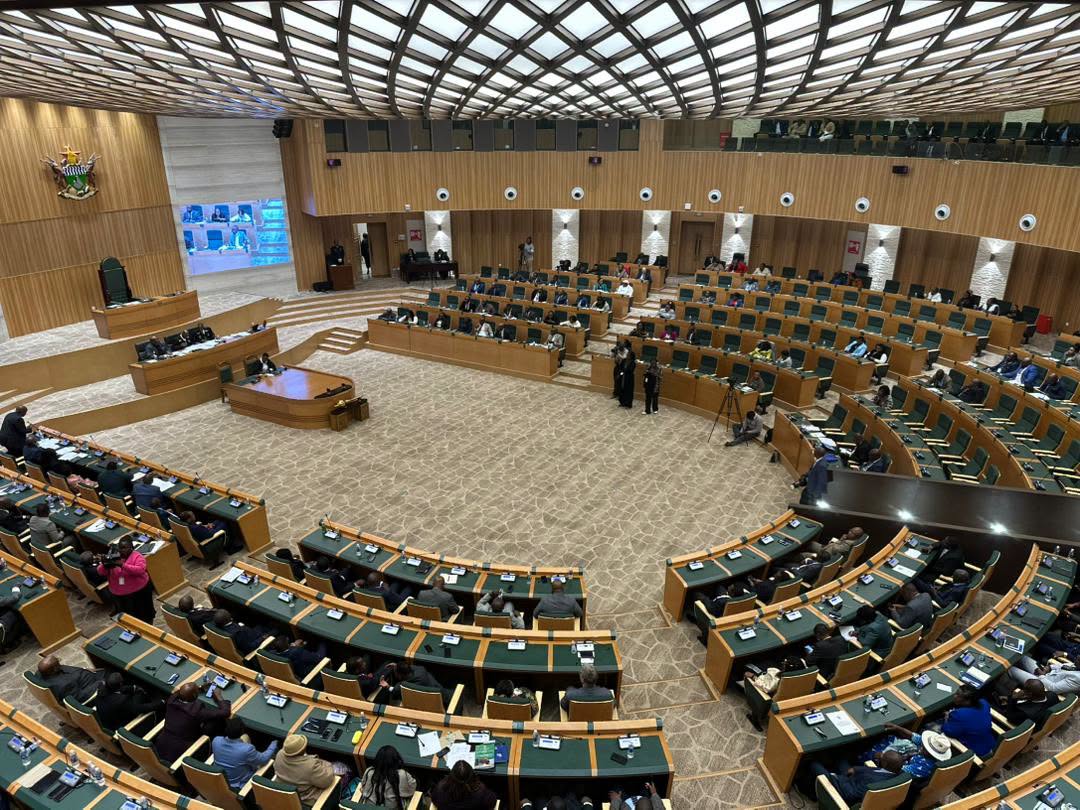

Parliament is pushing for a new law to stop non-academic institutions and individuals from dishing out honorary doctorates, saying the practice is damaging the credibility of Zimbabwe’s education system.
The motion was moved in the National Assembly on Thursday by Chivi Central MP Exevia Maoneke and seconded by Masvingo MP Naledi Lindarose Maunganidze.
It calls on the Ministry of Higher and Tertiary Education, Innovation, Science and Technology Development to draft a policy that restricts the awarding of honorary degrees to accredited universities only.
Maoneke told the House that honorary doctorates were traditionally meant to honour exceptional service and achievement, but the title is now being handed out indiscriminately by bodies that have no academic authority.
“However, we have witnessed the proliferation of non-academic entities that issue such honours, often devoid of any legitimate scholarly evaluation.
“This trend has not only diluted the value of the title ‘Dr’, but has also led to significant confusion and concern within the academic community and the public.”
Maoneke warned that handing out honorary doctorates to anyone who wants one is undermining the value of genuine academic qualifications.
He said the practice is causing serious problems — it erodes academic integrity, fuels corruption where titles are allegedly sold for cash or favours, confuses the public over who is a real doctor and who is not, and devalues the hard work of those who earn their degrees through years of study.
“My proposal, Madam Speaker, is that we take legislative action to abolish the issuance of honorary doctorates by non-academic institutions and by individuals,” said Maoneke.
Seconding the motion, Maunganidze said honorary doctorates are among the highest honours in academia and must remain “rare, prestigious and reserved” for those who represent excellence and service.
She said the right to award such degrees has always been based on “academic autonomy, scholarly excellence and recognised quality assurance systems.”
“This motion is not about limiting the recognition of distinguished citizens,” she said. “It is about preserving the dignity of one of academia’s highest honours.”
Maunganidze proposed that the Zimbabwe Council for Higher Education, ZIMCHE, should take the lead in drawing up clear national guidelines, including nomination procedures and ethical standards in line with international best practice.
The Speaker adjourned debate on the motion to next Tuesday to allow more MPs to contribute their views.
More: The Herald


 Pindula WhatsApp Channel
 Facebook Page


Leave a Reply