

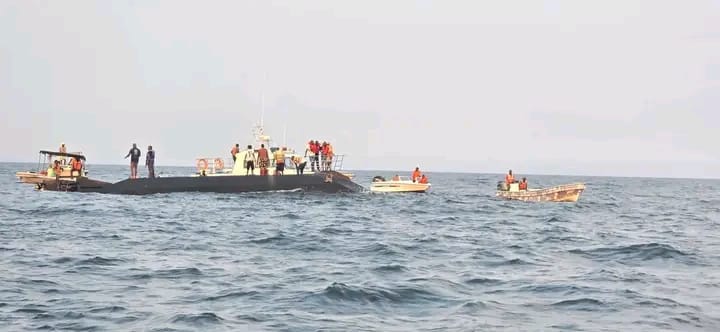

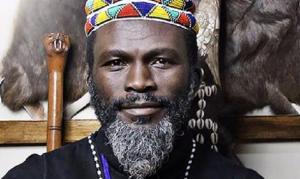
Public speaker and author Joshua Maponga says the Lake Kariba boat accident that claimed 44 lives on Tuesday must be read beyond a technical failure, describing it as a spiritual and governance failure rooted in the country’s detachment from ancestral systems.
In a social media post on Wednesday, 12 August 2026, while commenting on the disaster in which the Rural Infrastructure Development Agency vessel Mbuyanehanda capsized, Maponga said that the root sickness lies in what he termed governance without ancestral accountability.
He argued that Zimbabwe inherited the colonial machine, ministries, acronyms and disaster declarations, but stripped out the Council of Elders, the Svikiro consultation, the seasonal reading of signs and respect for water bodies.
Maponga said Lake Kariba is not a tourist destination, but a sacred graveyard of ancestors for national benefit. He questioned who had asked the lake, who had consulted the elders of the shore, and who had performed rites before loading 153 bodies onto water.
Maponga also raised the issue of state exemption, which he equated to state impunity. Referencing a question posed by former minister Walter Mzembi on whether state vessels are exempt from the laws that bind private operators, Maponga said in the traditional system the Mwene Mbire — the Lord of the Crossing — would be the first to observe protocol because leadership is service, not privilege. In the republic’s way, he said, “government assets float above the law until they sink beneath the water.”
He further criticised the naming of state vessels after liberation icons, describing it as the commodification of sacred names. To name a failing ferry Mbuya Nehanda — after the spirit medium who refused to bow to empire and who was hanged for the land — and then to drown people in her name, he said, amounts to spiritual corruption. The ancestors, he said, do not appreciate being used as branding for negligence.
Maponga described Kariba as a man-made lake and a man-made disaster. Built by colonial engineering in the late 1950s, he said, it drowned villages, displaced the Tonga people and buried ancestral graves beneath its surface.
The lake remembers, he said, adding that it is not a road or a highway but sacred water — Munyuki — bubbling from the deep and carrying the memory of what was taken, yet it is treated like a corridor.
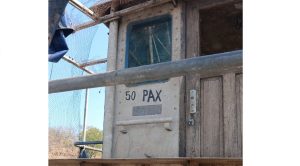
He said rural communities depend on the ferry as a lifeline, using the five-hour journey to Kariba town for medicine, trade and grain. It is not a luxury cruise but a matter of survival, he said, and the state sends them to sea in what he described as a coffin. This, he said, reflects the post-colonial contract where people get a flag, an anthem and a ferry that sinks.
 Pindula WhatsApp Channel
 Facebook Page


Leave a Reply