


Zimbabwe’s external sector has demonstrated remarkable resilience despite subdued global growth prospects and geopolitical and trade tensions, with foreign currency receipts rising by 47.8 per cent in the first half of 2026.
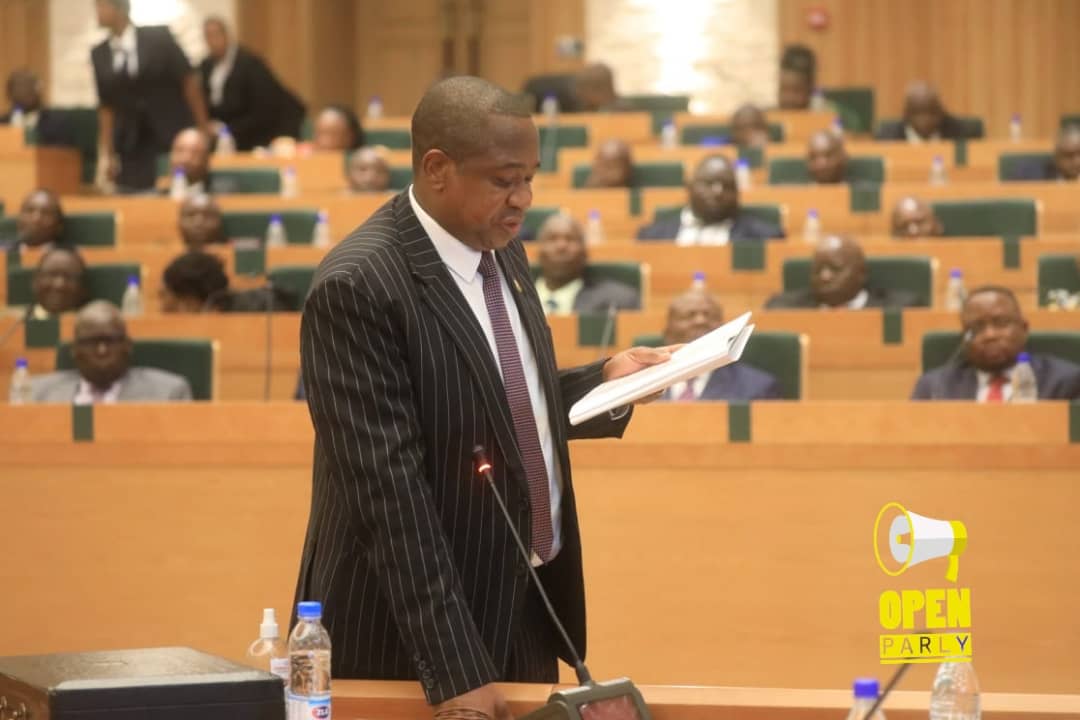
This was said by Finance, Economic Development and Investment Promotion Minister Professor Mthuli Ncube while presenting the 2026 Mid-Term Budget and Economic Review in Parliament on Thursday.
He said that foreign currency receipts rose to US$10.7 billion for the period January to June 2026, compared to US$7.3 billion in the same period in 2025.
The growth was primarily driven by export receipts and diaspora remittances, according to Reserve Bank of Zimbabwe data.
Export proceeds nearly doubled, rising 90.7 per cent to US$7.53 billion from US$3.95 billion last year. The strong performance increased the share of exports in total receipts to 70.3 per cent, up from 54.5 per cent in the first half of 2025.
Diaspora remittances rose 41.4 per cent to US$1.55 billion from US$1.09 billion, accounting for 14.4 per cent of total receipts. Income from foreign investments grew 35.9 per cent to US$88.9 million, while foreign direct investment more than doubled, rising 126.8 per cent to US$269.9 million from US$119 million, although it still accounts for only 2.5 per cent of total inflows.
In contrast, NGO remittances fell 46.1 per cent to US$296.6 million, while private sector loan proceeds declined 33.1 per cent to US$984.9 million from US$1.47 billion.
On the outflow side, foreign currency payments increased to US$7.3 billion during the first half of 2026, representing a 44.9 per cent year-on-year growth from US$5 billion in the same period in 2025.
Ncube said elevated inflows compared favourably with payments, resulting in a net surplus which boosted foreign currency deposits within the banking sector as well as foreign currency in circulation. This, he said, played a pivotal role in supporting exchange rate stability and enhancing confidence in the foreign exchange market.
The current account is estimated to have registered a surplus of US$616.3 million in the first half, a turnaround from a deficit of US$22.5 million recorded in the corresponding period of 2025.
To year-end, the current account balance is projected to improve from a surplus of US$2.1 billion in 2025 to US$2.6 billion in 2026, reflecting stronger export performance and sustained secondary income inflows.
Consequently, usable reserves stood at US$1.6 billion as at the end of June 2026, equivalent to about 1.6 months of import cover.
Ncube said the Reserve Bank of Zimbabwe’s reserve accumulation strategy, which is anchored on gold purchases, in-kind royalties and foreign currency accumulation from export retention, has strengthened reserve adequacy.
He added that current reserves cover about six times the ZiG component of reserve money and exceed the stock of ZiG deposits by 1.5 times.

 Pindula WhatsApp Channel
 Facebook Page


Leave a Reply