


ZIMBABWE’S “DEVELOPMENT” IS A SCAM: WE ARE BEING LIED TO: DEVELOPMENT WITHOUT ACCOUNTABILITY IS A FALSE PROMISE.
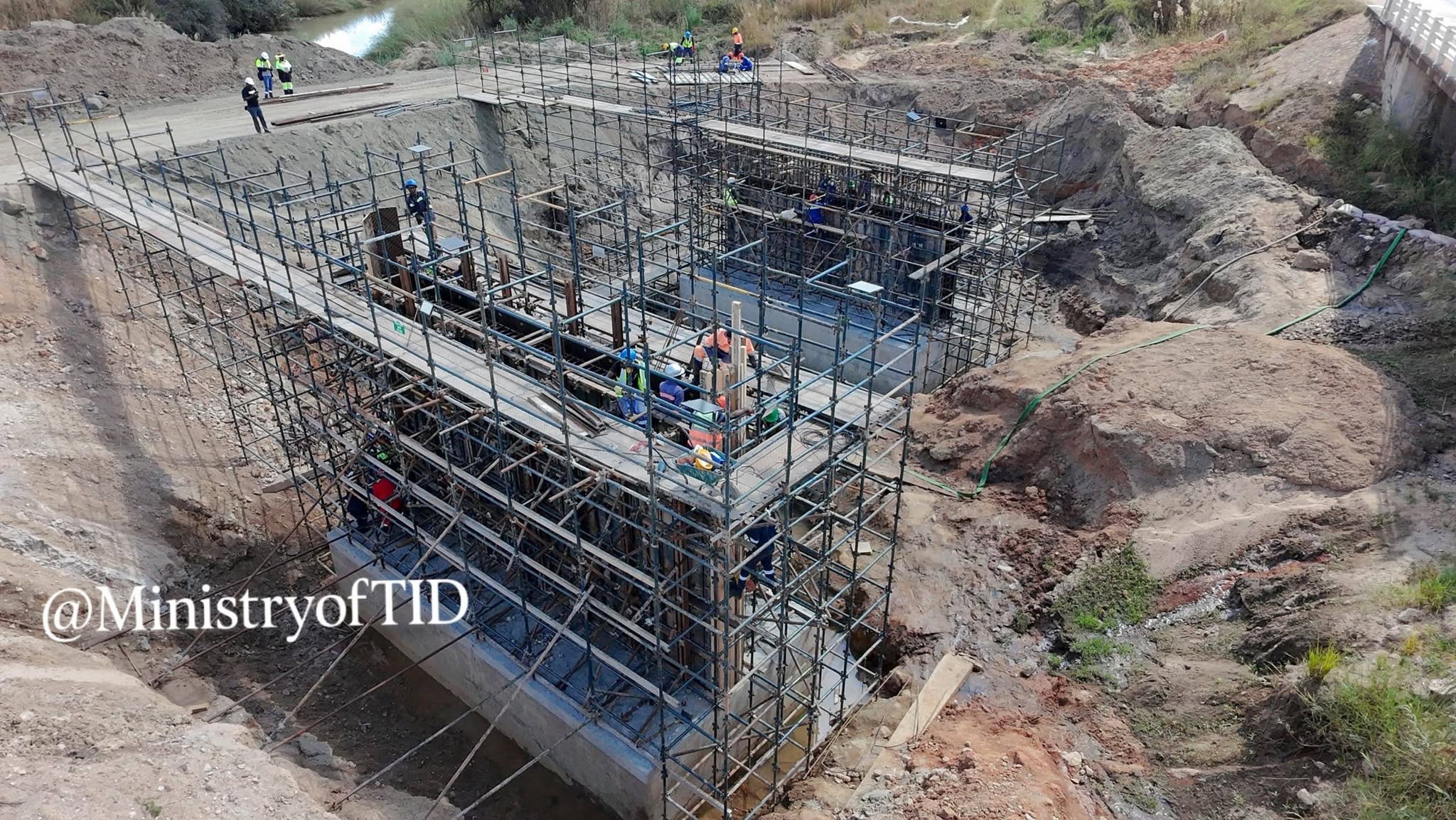
Every day, Zimbabweans are bombarded with propaganda celebrating an alleged infrastructure boom under Emmerson Mnangagwa. We are shown roads being resurfaced, bridges patched up, dams “revived,” and buildings going up. The intended message is simple: this is development, and yet it is not.
What we are witnessing is not a development strategy, but it is a looting strategy dressed up as progress. To start with, most of these so-called projects are not even new. They are largely cosmetic rehabilitations of infrastructure built or initiated decades ago, now repackaged as evidence of visionary leadership.
Yet we know that there is no coherent national plan, no transparent prioritisation and no accountability to the people footing the bill. Projects emerge not from national need but from the interests of those closest to power. The tragedy being that while the public is distracted by ribbon-cutting ceremonies, something far more dangerous is happening behind the scenes.
This model of “development” has two edges. The first is what you see: the roads, the bridges, the structures that create the illusion of progress. The second is what you do not see: inflated tenders, secretive contracts and a feeding frenzy among politically connected elites.
Zimbabwe is not just building infrastructure, but it is massively overpaying for it. Imagine sending someone to buy two loaves of bread, only to discover they paid the price of a full dozen for each loaf. Yes, the bread is there, but you have been robbed. That is exactly what is happening to Zimbabwe at a national scale. Every project delivered comes with a hidden cost, one that drains public resources and enriches a connected few.
Such inflated pricing is not incidental, but it is enabled by a governance environment that has steadily eroded transparency and accountability. The passage of Constitutional Amendment No. 3 (CA3) has further consolidated executive control over state resources, weakening oversight mechanisms that are essential for safeguarding public funds. With diminished parliamentary scrutiny and limited public disclosure, procurement processes become fertile ground for the corrupt Zvigananda networks and rent-seeking behaviour.
The consequences extend beyond financial loss. When contracts are awarded through opaque and politically mediated processes, contractors are incentivised to maximise profit margins by cutting corners. Substandard materials, reduced quantities and compromised engineering standards become commonplace. What emerges is not just overpriced infrastructure but structurally deficient infrastructure projects that may not withstand the test of time, climate or usage.
In other words, the corruption embedded in the procurement process is physically manifested in the infrastructure itself. This raises a fundamental question: can a nation truly develop when its development model is structurally compromised at both financial and technical levels?
Zimbabweans are being encouraged to celebrate visible outputs without interrogating the underlying costs, processes and long-term implications. Yet genuine development is not measured by the number of projects announced or completed, but rather by value for money, durability, inclusivity and accountability.
If proper tender procedures were adhered to, grounded in transparency, competitive bidding, and independent oversight, the same projects could be delivered at fair cost, with higher quality, and with broader developmental impact. Instead, the current approach effectively taxes citizens twice, first through inflated public expenditure, and second through the premature failure of substandard infrastructure.
This is not merely inefficient governance, but it is a systemic prejudice against the public interest.
Zimbabwe does not lack the capacity to build. What it lacks is a governance framework that ensures that every dollar spent delivers maximum public value. Until transparency is restored, procurement systems are reformed, and accountability mechanisms strengthened, what is being called “development” will remain, at best, an illusion and at worst, an organised transfer of national wealth into private hands.
Apparently, Zimbabwe could build more, better and at a fraction of the current cost, and that would require the dismantling of the very system that benefits those in power and the Zvigananda networks. Otherwise, every brick laid under this system carries the weight of the people’s betrayal.
BY RTD DIO SHEPHERD MPESWE

 Pindula WhatsApp Channel
 Facebook Page


Leave a Reply