

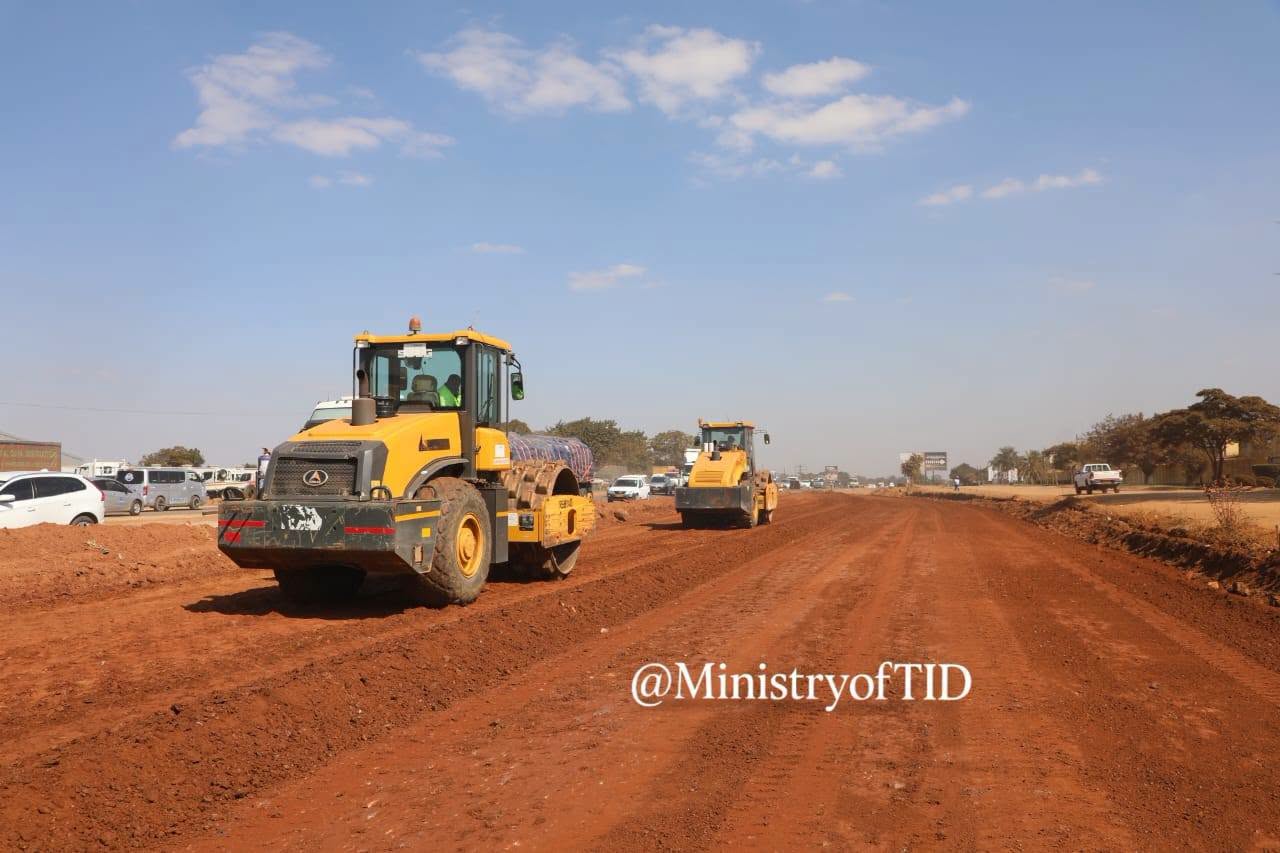

Zimbabwe’s much-publicised infrastructure boom is an illusion masking inflated tenders and poor workmanship, UK-based Afro-fusion artist Shepherd Mpeswe has said.
Mpeswe, who is known by his moniker “Chirenje Mzukuru WeTongwe”, said that what the government presents as development is largely cosmetic rehabilitation of old projects repackaged as new.
“Every day, Zimbabweans are bombarded with propaganda celebrating an alleged infrastructure boom under Emmerson Mnangagwa,” he said. “We are shown roads being resurfaced, bridges patched up, dams ‘revived’ and buildings going up. The intended message is simple: this is development and yet it is not.”
He argued that there is no coherent national plan behind the projects, claiming they emerge not from national need but from the interests of those close to power.
“What we are witnessing is not a development strategy, but it is a looting strategy dressed up as progress,” Mpeswe said.
According to Mpeswe, the model has two edges: visible outputs that create an impression of progress, and what he described as inflated tenders, secretive contracts and a “feeding frenzy” among politically connected elites.
“Zimbabwe is not just building infrastructure, but it is massively overpaying for it,” he said, likening it to paying the price of a dozen loaves for two loaves of bread.
He linked the alleged overpricing to a governance environment with weakened oversight, arguing that the Constitutional Amendment Act No. 3 (CAa3) has further consolidated executive control over state resources and eroded transparency.
“With diminished parliamentary scrutiny and limited public disclosure, procurement processes become fertile ground for the corrupt Zvigananda networks and rent-seeking behaviour,” he said.
Mpeswe further claimed that opaque contracting incentivises contractors to cut corners, leading to infrastructure that is both overpriced and structurally deficient.
“The corruption embedded in the procurement process is physically manifested in the infrastructure itself,” he said.
He said genuine development should be measured not by the number of projects announced but by value for money, durability, inclusivity and accountability, adding that adherence to transparent, competitive tender processes would allow projects to be delivered more cheaply and to a higher standard.
“Until transparency is restored, procurement systems are reformed and accountability mechanisms strengthened, what is being called ‘development’ will remain, at best, an illusion and at worst, an organised transfer of national wealth into private hands,” he said.
Mpeswe said Zimbabwe has the capacity to build more and better at a fraction of the current cost, but that would require dismantling the system that benefits those in power.

 Pindula WhatsApp Channel
 Facebook Page


Leave a Reply