

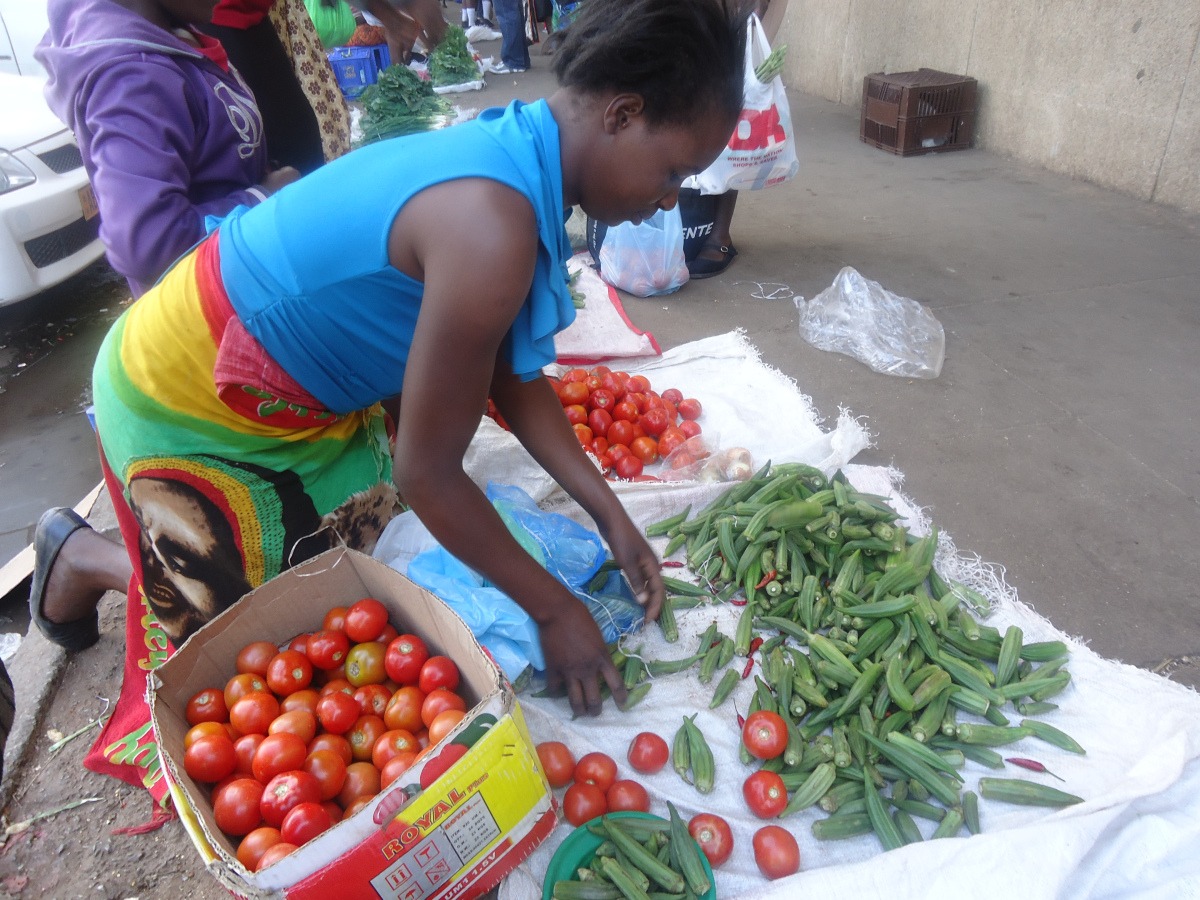

The National Social Security Authority (NSSA) plans to begin offering pension cover to the informal sector by the end of the year, with the diaspora community to be included at a later stage.
NSSA Director for Benefits, Actuarial and Schemes, Shepard Mperi, said coverage of the two sectors will be introduced in phases and is expected to generate higher savings than the Authority’s current pension contributions from formal sector employees.
“We are now on the verge of accepting informal sector contributions (to the pension fund). We realised that the informal sector is huge and is not covered by social security,” Mperi said.
“We have done thorough feasibility studies on this with technical assistance from the International Labour Organisation (ILO) and are benchmarking our cover against similar schemes in Ghana, Rwanda, Uganda, Uruguay and other countries in Latin America that we studied”.
Mperi estimated that the informal sector market requiring pension cover is more than four million people, more than twice the size of the formal sector workforce of about 1.3 million that NSSA currently relies on.
He said that, together with the diaspora market, also estimated to be in the millions, the two groups, once fully included, will become a major source of savings for national development.
“We are now designing and costing various (pension) schemes that could be offered to the informal sector and diaspora, and we might roll out a pilot scheme at the end of the year,” Mr Mperi said.
He said the rollout will be done in phases, and in the early stages, NSSA will work closely with informal sector business associations as well as organisations such as banks that already serve the diaspora, in order to build confidence and encourage uptake.
He added that the schemes on offer will be varied, mainly based on affordability, and will include incentives such as loans for contributors to help boost participation.
Mperi said the larger pool of savings expected from the expansion would give NSSA greater financial capacity to contribute to national development projects, including road and dam construction, power generation and housing delivery.
More: The Herald


 Pindula WhatsApp Channel
 Facebook Page


Leave a Reply