

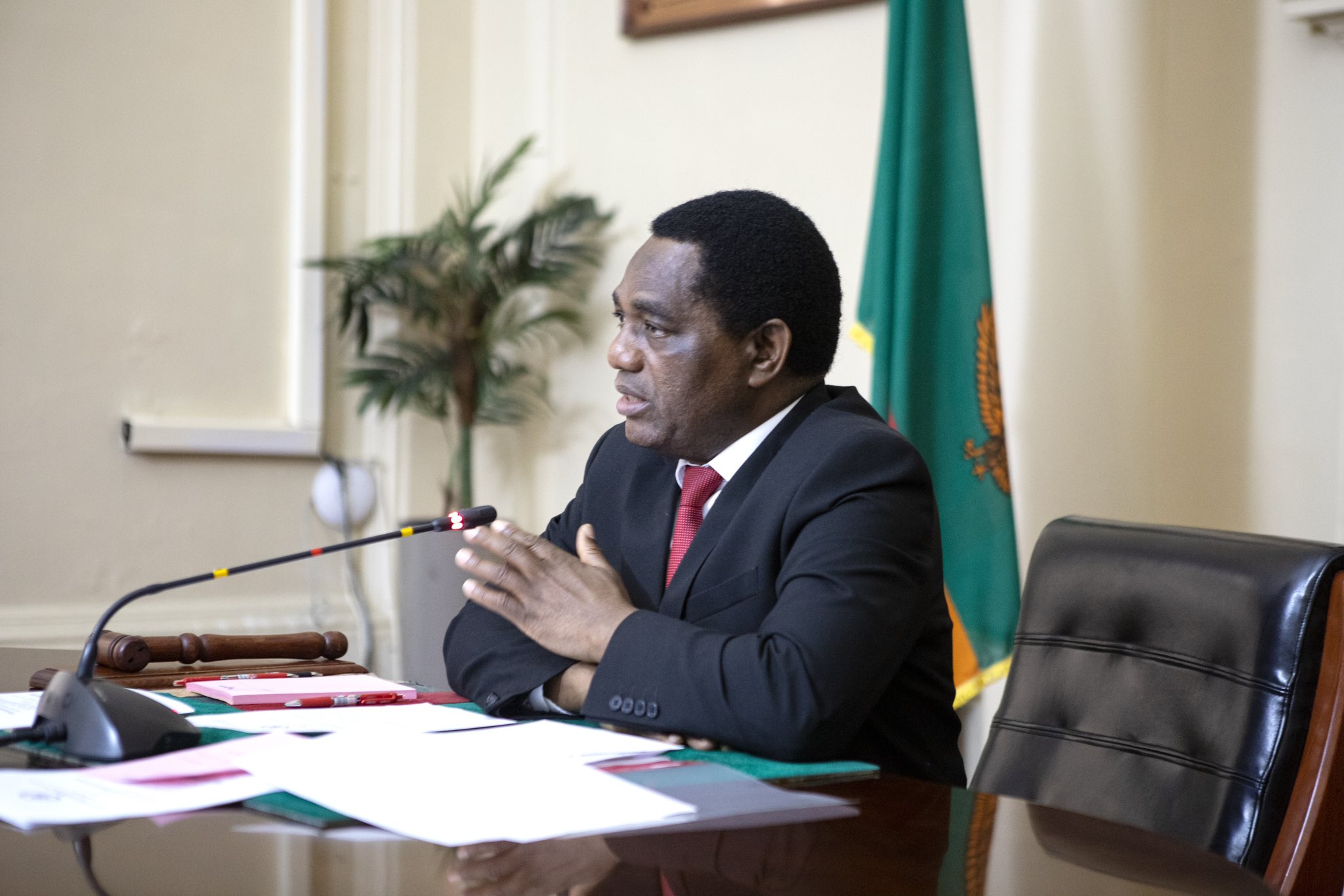

Zambia has rejected part of a deal worth over US$1 billion in global health aid from the United States, saying it does not align with the country’s interests.
A draft of the agreement reviewed by Reuters shows the deal would provide more than US$1 billion in U.S. funding over the next five years to tackle conditions such as HIV and malaria, improve disease outbreak preparedness, and support maternal and child health.
It also requires around $340 million in co-financing from the Zambian government during the same period.
The deal was originally set to be signed in November 2025 but was delayed after revised drafts included a section that the Zambian government found problematic, according to a Ministry of Health spokesperson.
The section reportedly did not match the position and interests of the Zambian government, and further revisions have been requested, though the spokesperson declined to provide details on the content.
In December, the United States said it had agreed with Zambia on a plan to unlock a substantial grant package of U.S. support in return for collaboration in the mining sector and clear business sector reforms.
Zambia is Africa’s second-largest copper producer after the Democratic Republic of Congo and also has significant deposits of cobalt, nickel, manganese, graphite, lithium, and rare-earth elements.
The country’s caution is part of a wider trend across the continent, with governments increasingly reviewing the structure and terms of foreign aid.
Zimbabwe, for instance, recently pulled out of discussions on a $350 million U.S. health funding agreement over concerns about sovereignty.
Harare opposed clauses that would give the U.S. long-term access to national health data, arguing that such access could expose sensitive population-level information.
 Pindula WhatsApp Channel
 Facebook Page


Leave a Reply