


The government has extended the deadline for foreign nationals operating in sectors reserved for locals to submit their regularisation plans, moving it from 31 January to 17 February 2026.
The Permanent Secretary for Industry and Commerce, Thomas Utete Wushe, confirmed the new deadline on Monday, saying there had been a sharp increase in applications from business owners trying to comply with the new law. He said:
“We have extended the deadline to February 17 due to the overwhelming response.
“People are still coming, and those who fail to submit will be considered in breach.”
Earlier this year, the Ministry directed all affected businesses and investors to submit their regularisation plans at provincial offices in Harare, Bulawayo, Masvingo, Mutare, Chinhoyi, Gweru, Bindura, Marondera, Gwanda, and Lupane.
To submit a plan, businesses must show proof that they have paid the Standards Development Fund Levy.
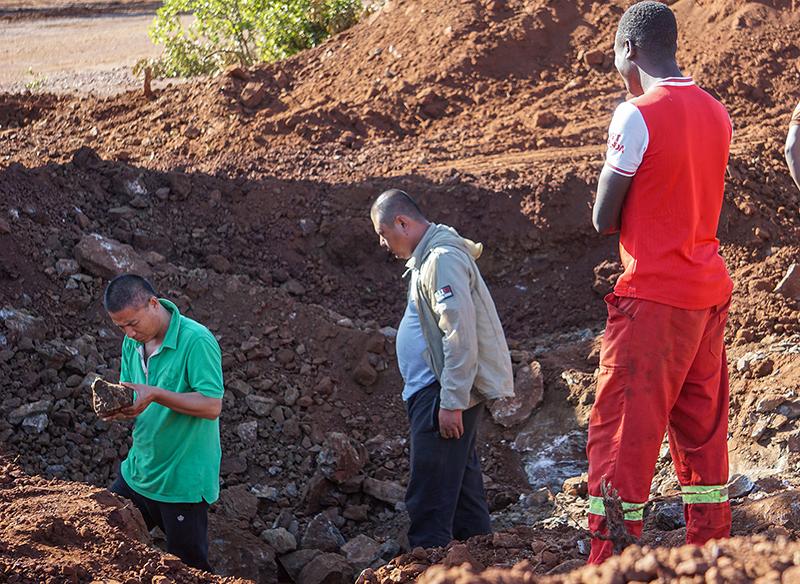
The reserved sectors include barber shops and beauty salons, bakeries, employment and advertising agencies, artisanal mining, valet services, borehole drilling, pharmacies, small-scale grain milling, and the marketing and sale of local arts and crafts.
Passenger transport, real estate agencies, and customs clearing services are also restricted, except for recognised international brands.
Where foreign investment is allowed, entry requirements are deliberately high. For example, retail and wholesale investors must invest at least US$20 million and employ 200 full-time workers. Grain milling requires US$25 million, and logistics needs US$10 million plus 100 employees.
The Minister of Industry and Commerce has the final say on who can operate in these sectors and may approve, reject, or revoke permits if investors fail to meet empowerment rules.
Running a business in a reserved sector without a permit is a criminal offence, punishable by fines or jail. Repeat offenders may also be banned from government contracts for five years.
More: The Herald


 Pindula WhatsApp Channel
 Facebook Page


Leave a Reply