

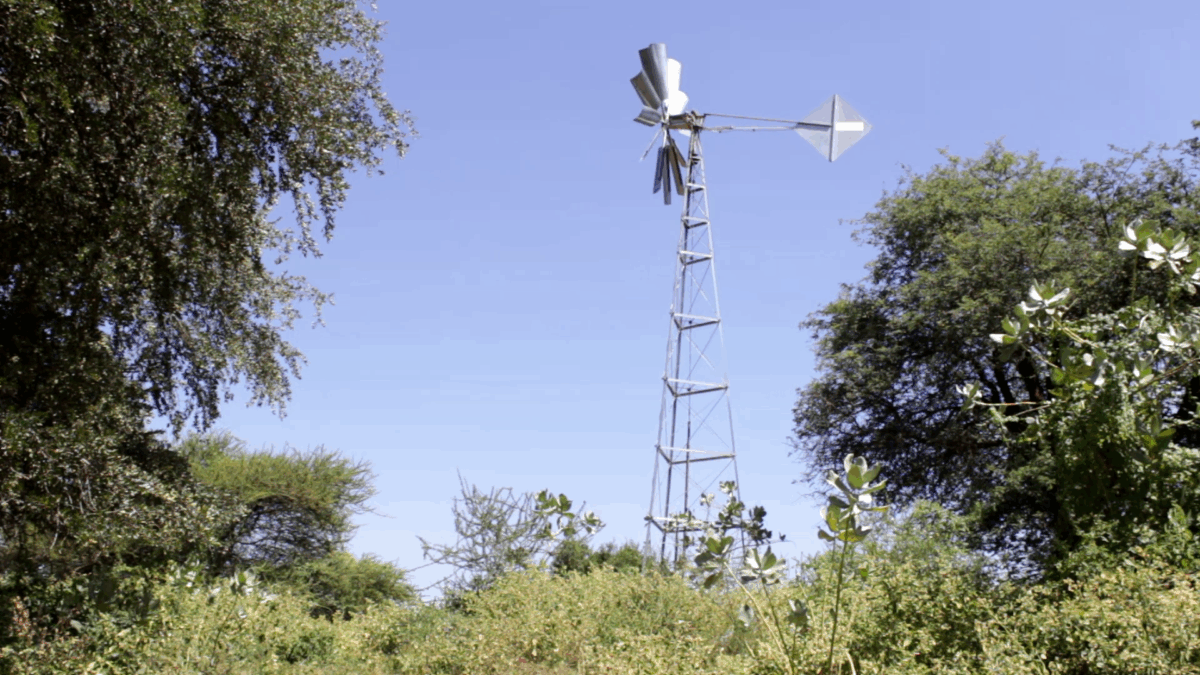

Wind energy is once again drawing attention in Zimbabwe as a potential solution to water shortages and the impacts of climate change in drought-prone regions.
In Ntabazinduna, Matabeleland North Province, dozens of rusting colonial-era windmills stand as reminders of a time when wind power was used to provide water for households and livestock.
Most of these structures, installed during the colonial period to pump water from underground boreholes, have long fallen into disrepair.
Now, there is renewed interest in restoring the old windmills and combining them with modern solar and wind technologies to supply water sustainably — and potentially electricity.
Zimbabwe Energy Regulatory Authority (ZERA) chief executive Edington Mazambani said reviving windmills on farms would be an efficient and practical use of energy. Said Mazambani:
“We used to see a lot of windmills in farms. If they can be resuscitated that will be an efficient way of using energy, as it will be drawing from god-given wind to pump water into reservoirs.”
“This can be used for irrigation purposes and in cattle ranching.”
Mazambani said feasibility studies are already underway in several parts of the country, including a promising project in Mutorashanga with potential investment of up to US$100 million.
He noted that ZERA has been working with a private company and Spanish partners on the initiative, and the results so far are encouraging.
He added that the Ministry of Energy, with support from international partners, is carrying out a separate study in Mhondoro, while areas such as Somabhula in the Midlands Province also show potential for wind energy.
According to Mazambani, advances in technology mean that even regions with moderate wind speeds can now be viable for wind power.
In the past, turbines required wind speeds of more than seven metres per second, but improved designs now allow electricity to be generated at lower speeds.
More: CITE


 Pindula WhatsApp Channel
 Facebook Page


Leave a Reply