

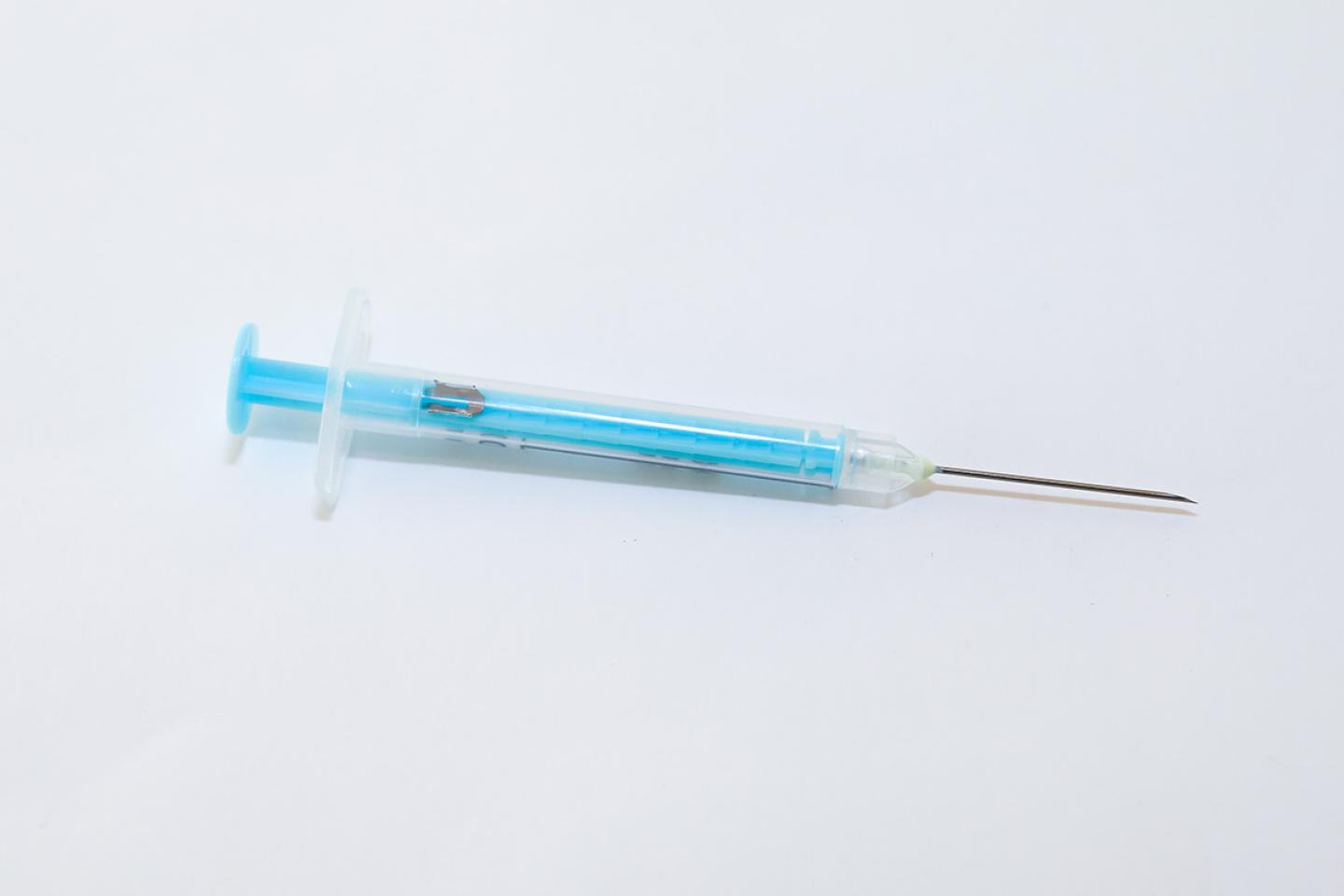

Zimbabwe has become the first location to administer a new investigational HIV vaccine, with the initial doses of the IAVI C114 clinical trial given in late July 2025 at the Mutala Trust clinical site in Harare.
Tariro Makadzange, the clinical trial lead at Mutala Trust, described the development as a landmark moment for Zimbabwe, South Africa, and the African continent. She said:
“We are edging closer to an HIV vaccine, made possible by global collaboration, with clinical trials conducted in Africa, for Africa, and for the world.”
The vaccine’s development is a partnership involving Zimbabwe’s Mutala Trust, ReiThera, the Ragon Institute, the International AIDS Vaccine Initiative (IAVI), and African researchers, who are co-leading every stage of the trial.
In the first phase, the candidate, known as the Gorilla Adenovirus Vectored HIV Networked Epitopes Vaccine (GRAdHIVNE1), will be administered to 120 adults aged between 18 and 50, including 48 people living with HIV who are virally suppressed on antiretroviral therapy (ART).
In addition to Zimbabwe, clinical trial sites are also located in Cape Town and Durban, South Africa.
The sites were selected because of their high HIV burden, ensuring the vaccine is tested within communities most affected by the epidemic.
This initial phase will focus on evaluating the vaccine’s safety and its ability to trigger an immune response in both HIV-positive individuals and HIV-negative participants.
Dr. Vincent Muturi-Kioi, HIV Vaccines Product Development Team Lead, IAVi, said:
“The IAVI C114 trial is testing a new vaccine candidate known as GRAdHIVNE1. The trial represents the first time this vaccine is being tested in humans and is aimed at assessing the safety of the vaccine and its ability to stimulate the immune system…
“GRAdHIVNE1 uses a harmless virus (a vector for the vaccine derived from a non-replicating gorilla adenovirus) to deliver small, conserved parts of HIV (called epitopes) to the body’s immune system.
“These targets are derived from critical structural regions of HIV that are less likely to mutate, making them good targets for killer T cells in the immune system (CD8+ T cell responses) — a type of immune defence thought to be important for long-term protection against HIV.
“The viral vector was selected based on its ability to stimulate this type of response. Should the vaccine be successful in stimulating the desired response, it could be tested in future trials to assess its efficacy.”
According to IAVI, participants in the trial will receive either one or two doses of the investigational vaccine or a placebo and will be monitored for 19 months to assess safety and immune responses. The results are expected to be released in 2027.
More: CITE

 Pindula WhatsApp Channel
 Facebook Page


Leave a Reply