

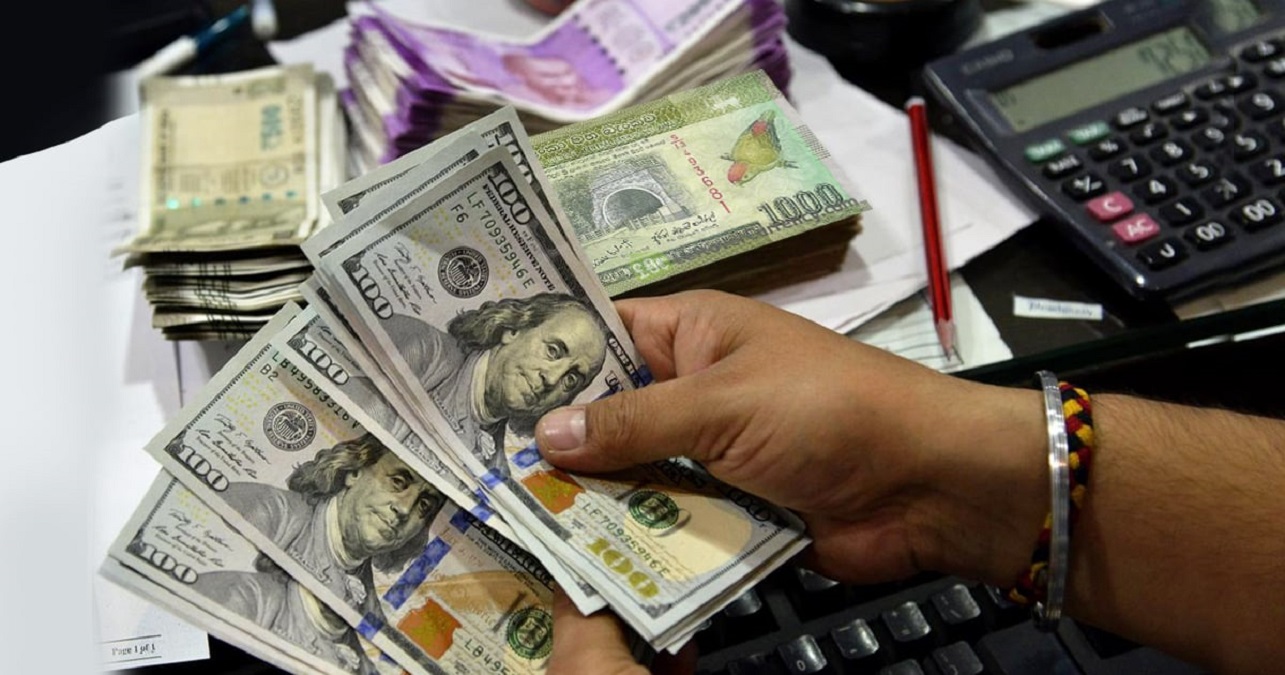

The United Nations’ resident and humanitarian coordinator in Zimbabwe, Edward Kallon, has urged the government to stop illicit financial flows, saying billions are being lost through money laundering.
Speaking at a recent post-conference event in Harare, Kallon said Zimbabwe should strengthen its tax systems and fiscal governance to boost sustainable revenue. He said:
“Implementing progressive taxation, reducing illicit financial flows and expanding the formalisation of the informal economy through incentives can generate domestic funds vital for development.”
Kallon warned that declining Official Development Assistance, rising debt in developing countries, and limited access to affordable finance risk leaving vulnerable populations behind. He said:
“Zimbabwe’s economic challenges, debt and arrears burden, currency instability, unilateral coercive measures, limited investor confidence and recurrent climate shocks are emblematic of these broader issues.”
Kallon said curbing rent-seeking behaviour and strengthening fiscal governance would help ensure tax revenues are used effectively for development.
He reiterated the need to strengthen financial institutions and regulatory frameworks to foster a transparent system that ensures resources are utilised more effectively. Said Kallon:
“Central to these efforts is the adoption and implementation of sustainable policies that promote social inclusion through a devolution governance approach and environmental sustainability, building resilient economies and communities.
“Zimbabwe can also advocate at regional and global forums for reforms that increase representation and voice for developing countries in multilateral institutions.
“This includes advancing debt relief initiatives, improving concessional financing terms and ensuring climate finance aligns with national needs.”
He said the government should also improve financial institutions, regulations, and policy enforcement to ensure resources are used more effectively.
The Financial Intelligence Unit (FIU) estimates that Zimbabwe has lost around US$6.15 billion to money laundering-related activities over the past five years — an average of US$1.23 billion each year.
These losses amount to roughly 3.4% of the nation’s gross domestic product, with major sources including smuggling (US$920 million), illegal trade in gold and precious stones (US$880 million), corruption (US$730 million), fraud (US$500 million), tax evasion (US$300 million) and drug trafficking (US$170 million).
More: NewsDay

 Pindula WhatsApp Channel
 Facebook Page


Leave a Reply