


The World Health Organisation (WHO) has reaffirmed that Mpox, previously known as monkeypox, remains classified as a Public Health Emergency of International Concern (PHEIC).
Mpox is a viral disease closely related to smallpox. Although Zimbabwe currently has no confirmed cases, the virus has re-emerged in several regions, including countries where it is not typically found.
Recent reports show localised person-to-person transmission, often occurring through close household contact or within healthcare settings that lack appropriate protective measures.
The WHO has noted ongoing outbreaks of Mpox in parts of Africa, including several SADC countries, which present a heightened risk of cross-border spread.
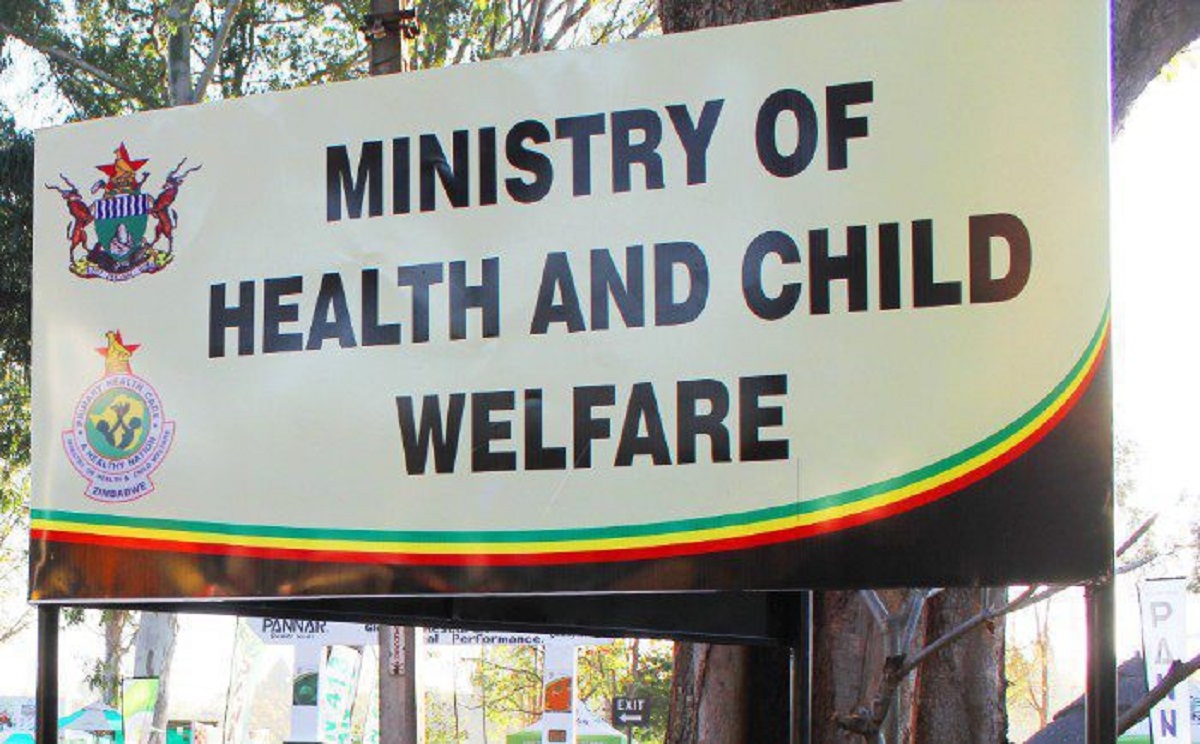
In response to the threat, Zimbabwe’s Ministry of Health and Child Care (MoHCC) has intensified disease surveillance and strengthened screening procedures at all Points of Entry (PoEs) into the country.
In accordance with WHO recommendations, the Ministry has urged the public to take precautions to reduce the risk of infection.
These include avoiding physical contact with anyone displaying symptoms of Mpox and refraining from sharing clothing, bedding, towels or other personal items.
Good hand hygiene is essential; people are advised to wash their hands regularly with soap and running water or use an alcohol-based sanitiser.
Wearing a face mask in close-contact environments is also encouraged, as is avoiding contact with wild animals, especially those that are sick or dead.
The Ministry further warned the public against handling or consuming the meat or blood of such animals. All food, particularly meat products, should be thoroughly cooked before consumption.

 Pindula WhatsApp Channel
 Facebook Page


Leave a Reply