




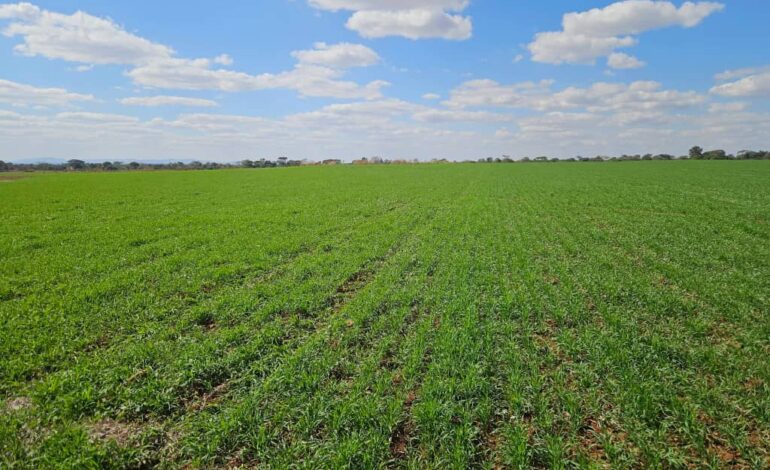


Farmers have urged the Zimbabwe Energy Regulatory Authority (ZERA) to introduce affordable electricity tariffs for agriculture and expand access to the national grid to protect food production amid forecasts of a severe El Niño-induced drought.
The call was made by Zimbabwe Commercial Farmers Union Matabeleland North chairperson Thembelani Mpofu at a ZERA stakeholder engagement meeting in Bulawayo on Thursday.
Mpofu said high fuel costs and limited access to electricity were making it difficult for some producers to irrigate and prepare for dry conditions, leaving farmers who rely on rainfall at risk of poor harvests.
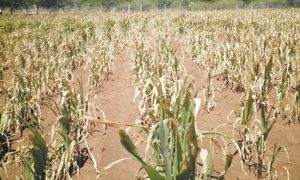
“The Meteorological Department is telling us that we are going to be faced with a serious El Niño that is going to hit us very hard,” he said.
“What we are saying as farmers is that, once that happens, our crops are going to suffer and drought is coming, and we are afraid hunger is going to come one way or the other.”
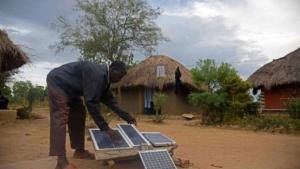
He proposed a climate contingency energy plan that prioritises solar-powered boreholes and small dams for irrigation, saying this will support the NDS2 target of 35,000 solar boreholes and help protect national food security.
“We therefore propose to ZERA that we have a climate contingency energy plan. Prioritise energy for solar boreholes and small dams now. This would directly support NDS2 and protect our national security,” he said.
Mpofu said diesel-powered irrigation was too expensive for many smallholder farmers, with irrigating a quarter of a hectare costing US$45 to US$50 or more.
He said many farmers in Matabeleland are located far from the national grid, which limits access to reliable power.
“We propose that you assist us as farmers. You connect us to the national grid. We create mini-grids on different farms. There are so many farms, the land is there,” he said.
He also called for special tariffs for irrigation, including lower rates for farmers who pump water during off-peak hours.
More: CITE





Leave a Reply Cancel reply