




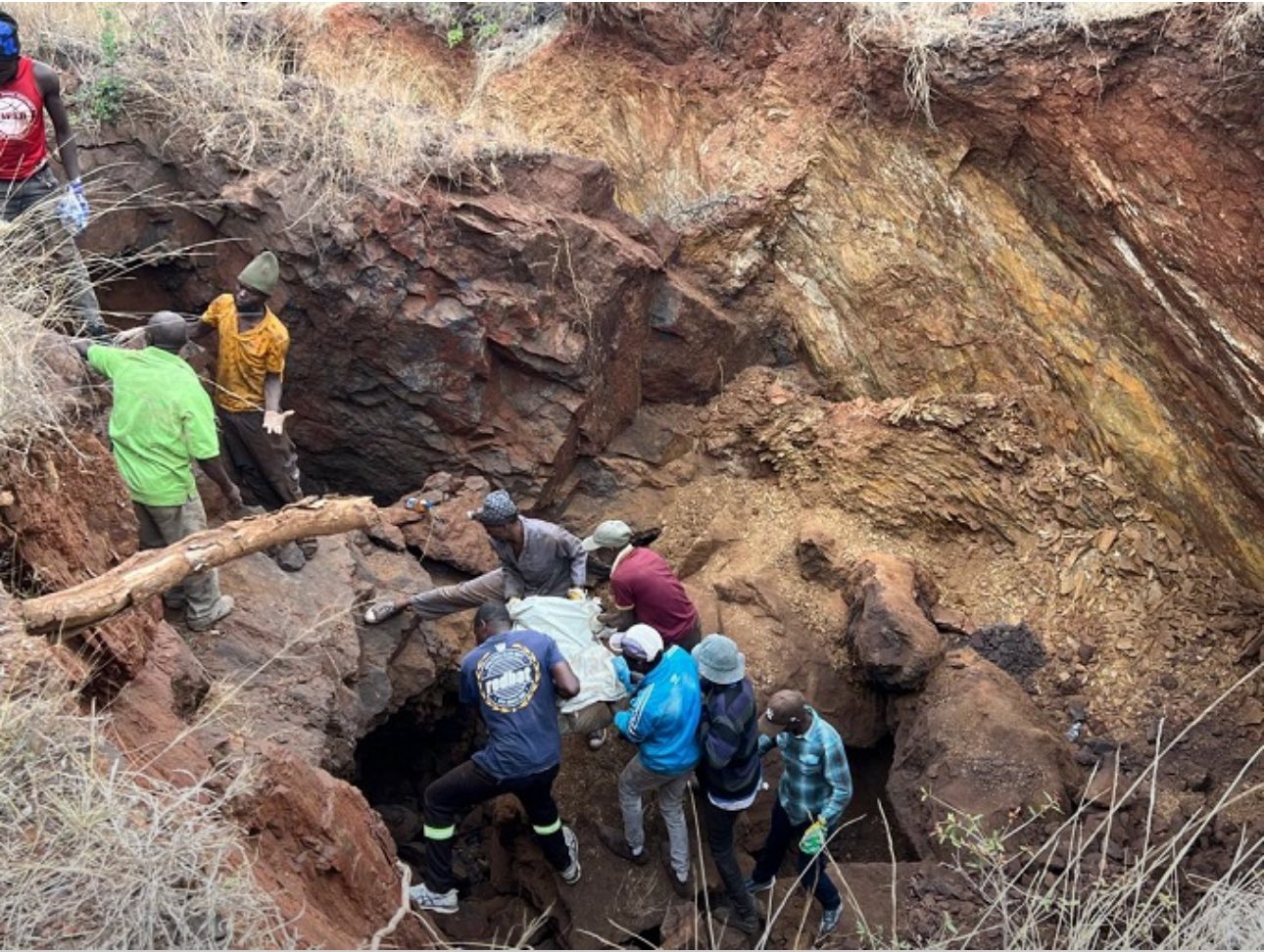


Victoria Chitepo Provincial Hospital in Mutare is recording a worrying surge in silicosis cases, with artisanal mining identified as the leading driver of the debilitating occupational lung disease in Manicaland.
Senior physician and chest specialist Dr Stern Chisiyiwa said the provincial referral hospital has seen a steady increase in diagnoses in recent years, although he did not provide consolidated statistics.
He said most cases are referred from mining districts such as Chimanimani, Chipinge, Mutare, Mutasa and Nyanga, where artisanal and small-scale mining has become widespread.
The hospital is also seeing a growing number of Zimbabwean artisanal miners based in South Africa — commonly known as mazamazama — who return home from Chimanimani and Chipinge after developing respiratory complications.
“We have a significant problem and a rising trend of silicosis cases being treated at Victoria Chitepo Provincial Hospital. The major driver is artisanal mining,” Dr Chisiyiwa said.
“Most of them would have spent many days underground without proper personal protective equipment, exposing themselves to high levels of silica dust.”
Artisanal miners are among the most vulnerable, he said, because they often work underground for extended periods in unsafe conditions without adequate protection. With each year of exposure, silica dust accumulates in the lungs.
Silicosis is an irreversible, lifelong disease that progressively damages the lungs and impairs breathing.
The chronic form can take 10 to 20 years to develop, which is why cases continue to rise long after initial exposure.
“Most of the cases we are seeing are from artisanal miners, and I can confirm that the numbers are growing compared to previous years because with each year a person’s exposure becomes longer. The damage accumulates over time,” Dr Chisiyiwa said.
“There is no cure for silicosis once the damage has occurred. It is a permanent, lifelong condition.”
The disease also increases the risk of tuberculosis, making early detection and prevention critical. Diagnosis is clinical, based on symptoms and a history of exposure, with lesions sometimes visible on a CT scan.
Dr Chisiyiwa warned that the absence of symptoms does not mean workers are safe, as the disease can remain undetected for years.
“By the time symptoms become severe enough to seek medical attention, permanent lung damage may already have occurred,” he said.
He said the risk extends beyond mining to stone crushers, borehole drillers and workers cutting granite and other silica-containing materials.
Common symptoms include a persistent cough, shortness of breath, wheezing and progressive difficulty breathing, with many patients reporting worsening symptoms in cold weather.
Dr Chisiyiwa urged all workers exposed to silica dust to prioritise prevention by using appropriate PPE, undergoing regular medical screening and seeking medical attention as soon as respiratory symptoms emerge.
More: The Manica Post






Leave a Reply Cancel reply