






The Zimbabwe Congress of Trade Unions (ZCTU) Harare Region on Saturday held its Police Brutality Day commemorations, even as reports emerged that the Zimbabwe Republic Police (ZRP) had disrupted similar events in three other cities.
The commemorations are held annually in honour of 147 trade unionists who were tortured and brutalised on 13 September 2006, after gathering peacefully to demand better lives, decent wages and an improvement in their social and economic conditions.
The peaceful protest was met with sustained State violence, leaving several trade unionists with permanent injuries.
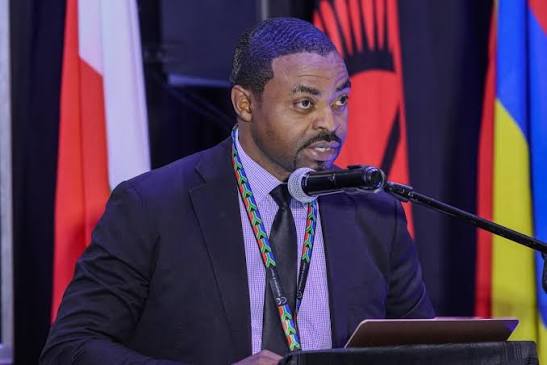
In his keynote address to mark the 2026 commemorations, ZCTU Secretary General Tirivanhu Marimo said the 2006 assault is remembered as an attack on the fundamental right of workers to organise, speak, assemble and demand social justice.
He lamented that the same trajectory had been sustained by ZRP officers 19 years later, pointing to the dispersal of workers who had gathered to commemorate this year’s event in Masvingo, Mutare and Chinhoyi.
“On this solemn occasion, we remember the workers and trade union leaders who endured unimaginable suffering. We remember Comrades Lovemore Matombo, Wellington Chibebe and Lucia Matibenga, among the senior ZCTU leaders who were arrested and subjected to brutal treatment at Matapi Police Station,” Marimo said.
“We remember Comrade Wellington Chibebe, who suffered fractures to his wrist and hand, a scalp laceration and extensive bruising, with the injuries reportedly resulting in permanent damage. The injuries were not minor.”
Chibebe, a former ZCTU secretary general, now serves as Director of the International Labour Organisation Country Office in Lusaka, overseeing Zambia, Malawi and Mozambique, and acts as the ILO Special Representative to COMESA.
Marimo said Chibebe endured serious cuts to his head, three broken bones and extensive bruising and swelling.
Later testimony presented to the ILO documented that he required seven stitches to his head, a steel plate and 16 stitches for a broken arm, while two broken fingers required pins and stitching.
Chibebe was left with only partial use of his left hand after substantial blood loss, and was eventually operated on while being held under police guard in hospital.
The late former ZCTU president, Matombo, suffered a broken arm and finger as well as extensive bruising and swelling, while Matibenga had whip marks and lacerations across her body, a swollen neck and damaged eardrums that impaired her hearing.
Other victims included Moses Ngondo, who sustained a broken arm and leg; Denis Chiwara, who suffered a broken leg and a rupture involving a previous operation; James Gumbi, who had cuts to his back and buttocks and was unable to sit; and George Nkiwani, who was so badly swollen he too could not sit.
“These were trade unionists whose crime was participating in organised labour action. We remember comrades who were beaten on the soles of their feet and left with lasting disabilities,” said Marimo.
“We remember all those whose physical and psychological wounds were carried long after the headlines disappeared.”
He said what made the brutality even more painful was that it was followed by statements from the highest levels of government that appeared to justify the violence rather than condemn it.
“The repression did not end in 2006; it resurfaced under the so-called New Dispensation. In October 2018, ZCTU leaders including Peter Mutasa and Japhet Moyo were arrested during protests against economic measures and new fiscal policies,” Marimo said.
“In January 2019, the labour movement again became a central target after ZCTU called a national stay-away following the dramatic increase in fuel prices.
“The wider January 2019 crackdown was even more devastating. Human rights organisations documented deaths, hundreds of arrests and widespread injuries, including gunshot wounds.”
More: NewZimbabwe.com





Leave a Reply Cancel reply