






United States-supported health programmes in Zimbabwe will end at the close of September after Harare declined a new bilateral health agreement.
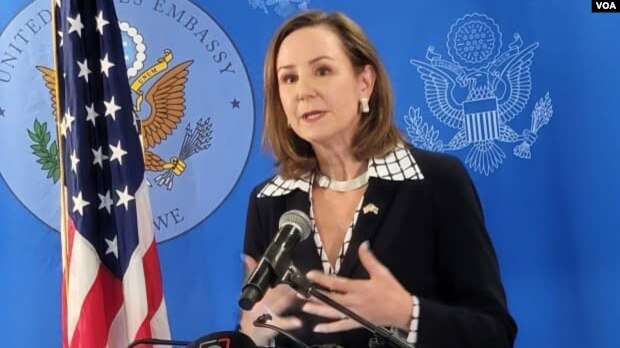
The announcement was made on Tuesday by US Ambassador Pamela Tremont at the “Beyond Assistance” reception in Harare.
She said the move will bring to an end a health partnership that has run for more than two decades, and that the US Embassy is now working with the Ministry of Health and Child Care and other partners to manage a formal handover.
“With Zimbabwe’s decision to decline a bilateral health MOU, US-supported health programs will conclude at the end of September,” Tremont said.
“We respect Zimbabwe’s sovereign decision, and my health team from the Embassy is working diligently with the Ministry of Health and Child Care and other partners to ensure a thorough and responsible handover.”
Tremont said that over the past 20 years, American support had helped strengthen Zimbabwe’s health system and expand access to HIV prevention, care and treatment.
As a result, she said, Zimbabwe has achieved HIV epidemic control, with more than 95 per cent of people living with HIV now on treatment.
“The priority now is to sustain these gains through strong national systems, continued access to quality services, and Zimbabwean leadership,” she said.
The decision comes as Washington has changed how it delivers health assistance globally, moving to a new Health MOU model built around partnership and co-investment with recipient countries.
Zimbabwe’s decision not to sign means the programmes will not continue under that structure.
Tremont stressed the step does not amount to a wider withdrawal.
Instead, she said the relationship was entering a new chapter, pivoting away from a focus largely on health and humanitarian assistance towards commercial ties.
She pointed to agriculture, technology, health, energy, infrastructure, climate-smart solutions, artificial intelligence and mining as areas with potential for increased trade and investment.
“American companies are ready – they only seek a level playing field, a predictable policy environment, and the opportunity to do well while doing good,” Tremont said.
More: ZimLive







Leave a Reply Cancel reply