




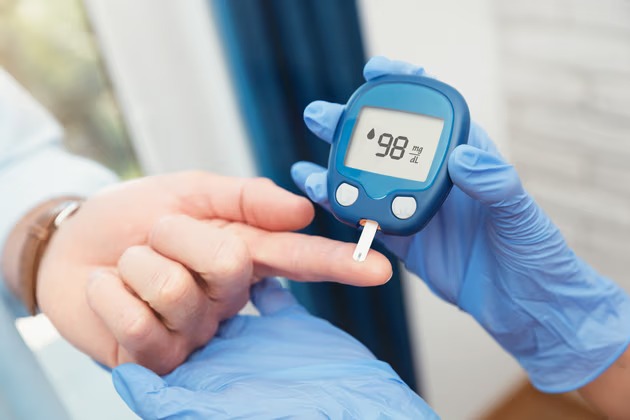


South Africa’s health crisis is undergoing a major shift, with diabetes now the leading cause of death in the country, overtaking HIV and TB.
The latest mortality data from Stats SA shows that non-communicable diseases have replaced infectious diseases as the biggest killers, with experts warning that poor diets, limited screening and an unhealthy food environment are fuelling a preventable crisis.
According to the 2023 figures, diabetes mellitus was the leading underlying natural cause of death, accounting for 27,692 deaths, or 5.8% of all recorded deaths.
It was followed by cerebrovascular diseases, including strokes, which accounted for 5.4% of deaths. Hypertensive diseases were third, responsible for 25,018 deaths, or 5.2%. TB and HIV were fourth and fifth, respectively.
Experts say the statistics point to a deeper problem that starts long before patients reach hospital – in what people eat, how often they exercise and whether they have access to regular health checks.
A key concern is that many people are living with these conditions without knowing it.
Nearly 30% of South Africans screened in a recent hypertension study had high blood pressure, yet 76% of those under 40 with the condition had no idea they were affected.
Dr Adil Razack, who works in the public health system, said staff shortages mean opportunities for early detection are being missed.
“The biggest challenge is that as our communities grew over the past decade, our staffing complement remained the same or grew by very little. We are always time-challenged and only focusing on the major presenting problems, with little time to do additional screening,” he said.
He added that many people do not see the need to get tested until symptoms appear. “By then, damage caused by uncontrolled diabetes or high blood pressure may already have begun.”
The food environment is also coming under scrutiny.
A research study published by the National Library of Medicine evaluating dietary quality among low-income South Africans found that, on average, 40% of the diet consisted of ultra-processed foods. Among 18 to 29-year-olds, that figure reached 40.2% of daily energy intake.
Experts say without improved screening and healthier diets, the burden of preventable diseases will continue to grow.
More: TimesLive






Leave a Reply Cancel reply