




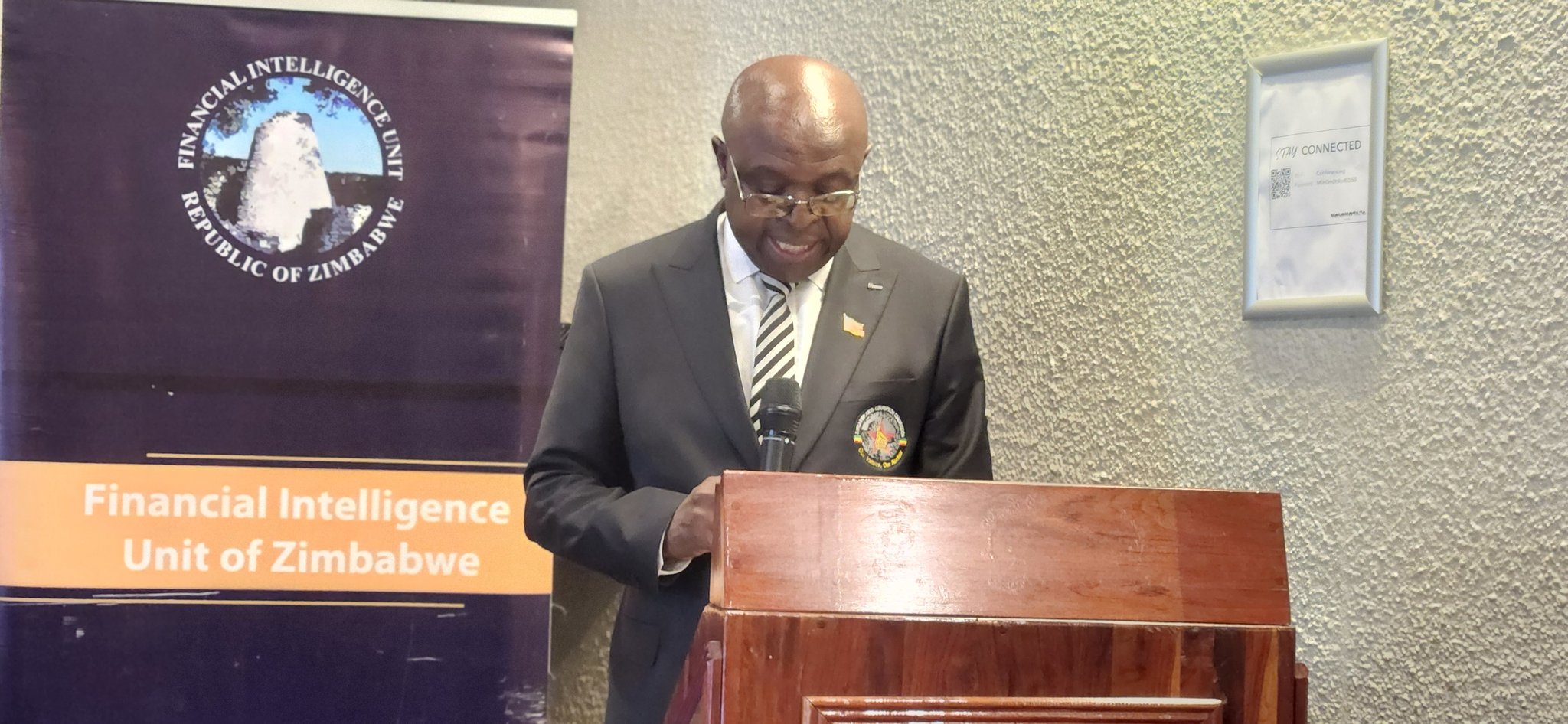


The Zimbabwe Anti-Corruption Commission (ZACC) says it is investigating major cyber-enabled fraud cases involving the Vehicle Inspectorate Department (VID) licensing system, NetOne airtime and fictitious ZIMRA ASYCUDA payments.
Addressing the International Anti-Corruption Research Conference in Bulawayo on Wednesday, 5 August 2026, ZACC chairperson Michael Reza said the advent of technology had given rise to complex cyber-enabled corruption offences.
“The advent of technology has resulted in the birth of complex cyber-enabled corruption offences,” said Reza.
“Digital systems are being manipulated to bypass due process and siphon public funds.”
Reza said cases under investigation include the VID licence scam, in which digital systems are suspected to have been manipulated to issue driver’s licences to undeserving people without following due process.
“As things stand, there are hundreds of thousands of people who are driving on our roads, and they are driving on hearsay and instinct,” said Reza.
“They know nothing about the rules of the road. This is what is happening. So, we are investigating that one.”
Another case involves NetOne airtime, in which a cashier allegedly diverted airtime worth US$150 million from the network provider.
Reza said the criminal case was pending before the courts, but parallel financial investigations had been completed, resulting in the forfeiture of both movable and immovable assets.
Regarding fictitious ZIMRA ASYCUDA updates, Reza said a sophisticated fraud scheme dubbed miracle money was under investigation.
The scheme involves the unauthorised crediting of prepayment accounts used by clearing agents with funds that did not correspond to any actual deposits in ZIMRA’s bank accounts.
He said over ZiG55 million and more than US$260,000 had been implicated so far.
However, Reza said ZACC was increasingly relying on open-source intelligence from Facebook, Instagram and other digital platforms to initiate unexplained wealth order investigations, adding that the commission was pursuing several reforms to respond to digital crime.
“ZACC is in the process of setting up its own forensic laboratory. For now, the Commission is using the Zimbabwe Republic Police (ZRP) laboratory,” said Reza.
He said officers were undergoing training in forensic accounting and fraud investigation, including sessions on cryptocurrencies and blockchain technology, while the commission was also working to link its electronic case management system to that of the Judicial Service Commission.
Reza cited skills gaps, low public awareness and the digital divide as key challenges, adding that limited access to the internet and digital technology was slowing progress in the fight against corruption.
More: The Herald







Leave a Reply Cancel reply